

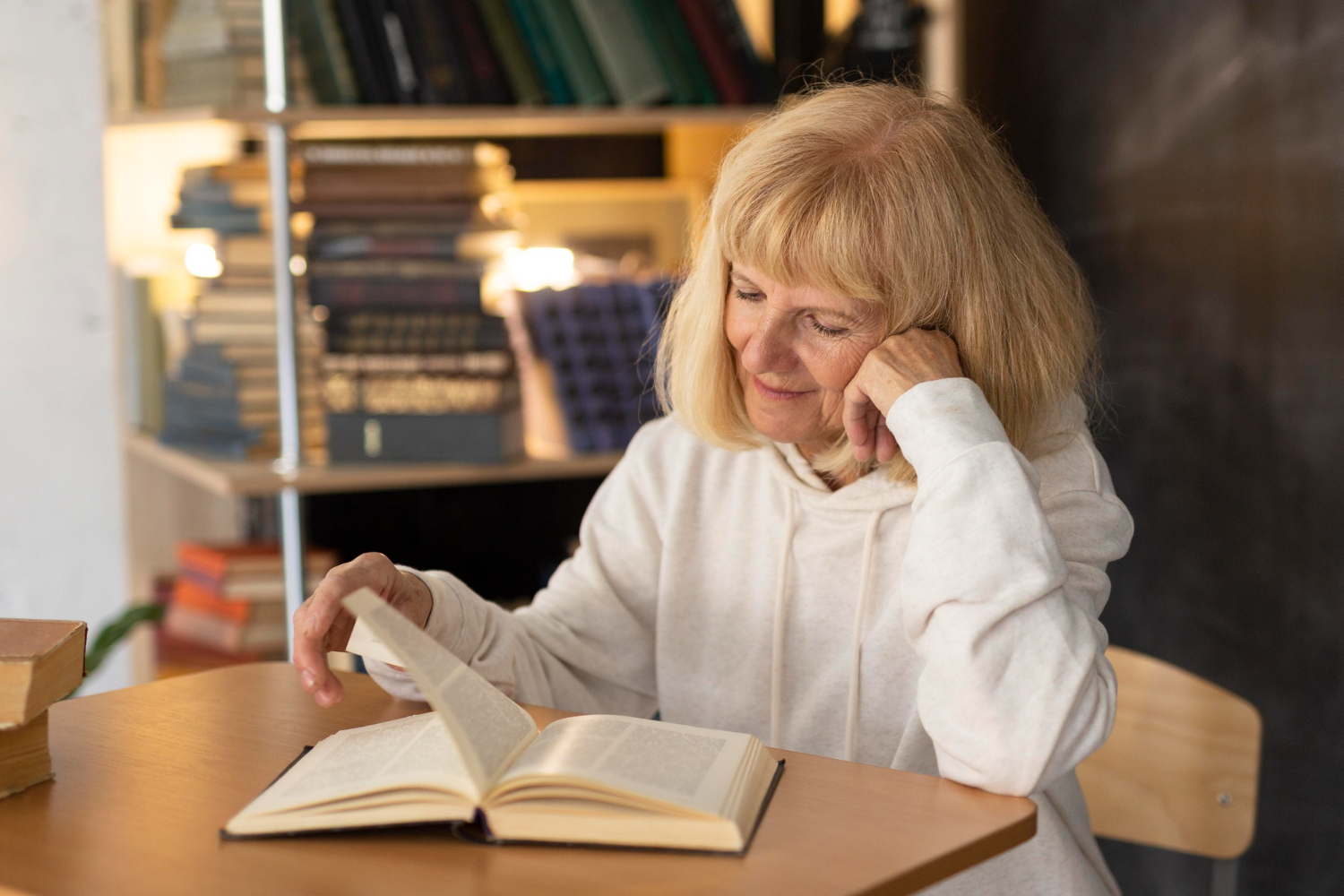
She wasn’t keeping track of macros. On her lemon tree, she was counting the leaves. At ninety-nine, she had a firm grip, a calm mind, and a slightly stooped but distinctly steady body. She laughed frequently, and even though she moved slowly, her steps had a sense of direction. There was no hurry. Just rhythm.
I’ve sat with dozens of people over 90—some over 100—during the past year. They flourished in old age rather than merely surviving it. But it wasn’t a novel treatment or uncommon gene that shocked me the most. It was the gentleness and simplicity of their way of life.
| Longevity Practice | What It Looks Like in Daily Life |
|---|---|
| Constant Natural Movement | Walking to visit friends, tending gardens, sweeping porches |
| Eating with Intention | Small, balanced meals made from whole, unprocessed ingredients |
| Purpose-Driven Routine | Waking up with meaningful tasks, no matter how small |
| Deep Social Bonds | Shared meals, regular visits, intergenerational support |
| Emotional Balance | Releasing stress through conversation, rest, or prayer |
| Structured Rest | Going to bed early, waking naturally, avoiding overstimulation |
| Minimal Toxins | Rare alcohol use, almost no smoking, clean air and food sources |
| Spiritual Anchoring | Daily reflection, community prayer, or gratitude rituals |
| Humble Outlook on Aging | Acceptance of aging as natural, not a battle to be won |
They weren’t designed to live long lives. They were designed to be present.
A large number of them did not engage in conventional forms of exercise. But they were always on the move. To get herbs, they went on foot. The courtyard was swept. They gathered eggs or milked goats. Exercise wasn’t limited to gym hours. It was woven into their mornings.
In rural Japan, I observed a 102-year-old man kneeling to care for his bonsai with hands so steady that surgeons would have been jealous. He gave me a soft smile and replied, “Only when I sit too long,” when I asked if he ever experienced pain.
They also had remarkably simple meals. Nearby, vegetables were grown. Meat was even rarer than fish. There was plenty of olive oil, but not too much. No one discussed calories. Nobody was afraid of food. Eating was not about performance but about sustenance.
After breakfast in Greece, I was pulled aside by an old woman. She muttered, “We don’t eat for six-pack stomachs.” “We have six more springs to eat.”
Meals were communal affairs. They were laughed at as they were served slowly. Children were welcomed at the table and weren’t reprimanded for interrupting. Elders sat in the middle, not in isolation. There was an almost magnetic pull to that shared rhythm. Before you even realized it, you sensed it.
They were quietly resilient in their emotional well-being. They seldom clung to pain, but they did not avoid it. When grief strikes, a woman in her late 90s told me she sings. She patted her heart with a practiced hand and said, “I hum it out of my chest.”
The candor with which these individuals embraced aging was profoundly touching. There were no issues with wrinkles. Being slow wasn’t a bad thing. Time was soft, comfortable, and familiar, like well-washed linen.
There was reverence for rest. It’s necessity, not luxury. They didn’t require sleep trackers or apps for meditation. Their bodies spoke to them. They went to bed early. The sun woke them up. They didn’t have a lot of alerts or noise during the day. Sleep was deeper and more rejuvenating because of that silence.
They were also propelled forward by purpose. They had something to take care of even if they were unemployed. A garden. A feline. A neighbor. It only needed to be consistent, not extravagant. Their lives developed an unseen framework as a result of this subdued sense of need.
Three days a week, a man by the name of Joaquín continued to deliver eggs by foot in Costa Rica. He wasn’t motivated by money. “The chickens still lay, and people still eat,” he stated simply, which is why he took this action.
That feeling of direction was especially helpful. Their days weren’t just filled with it. It made their choices more significant. It led them to abandon destructive behaviors, not out of fear but out of a commitment to what was important.
They also had quite different approaches to stress management. These elders let go of the tension that many of us carry around like unpacked luggage. Over tea, they let it out. They scream it out. They walk away from it. One 101-year-old told me, “I give them to the sea because bad moods poison the body.”
They all denied having secrets. Nevertheless, their actions seemed to be guided by silent wisdom. repeated every day. lived a gentle life.
No miracle supplements were available. No miraculous practices. Only dependable, extraordinarily successful routines, repeated with affection rather than fear.
The majority of them were unaware of the concept of “anti-aging.” They may have been confused by the term itself. They didn’t fight against time. They accompanied it on their walk.
Considering how we frequently view aging as something to be fixed, postponed, or concealed, this way of thinking was especially novel. These individuals had no desire to relive their youth. Now they wanted to be well.
The most important lesson I took away? At any age, you can begin living this way. The routines were modest. The attitude, giving. There was no cost to enter. simply readiness.
Additionally, I didn’t feel overburdened when I got home. I was relieved. Winning longevity wasn’t the aim. It was to reach it with dignity intact.
a leisurely breakfast. a shorter list of tasks. a more thorough discussion. These are not extravagances. They are the framework for a lighter, longer life.
If there is a way to age gracefully, it doesn’t involve costly interventions or biohacks. They walk barefoot. It is guarded by silent purpose, uplifted by laughter, and paved with kindness.