

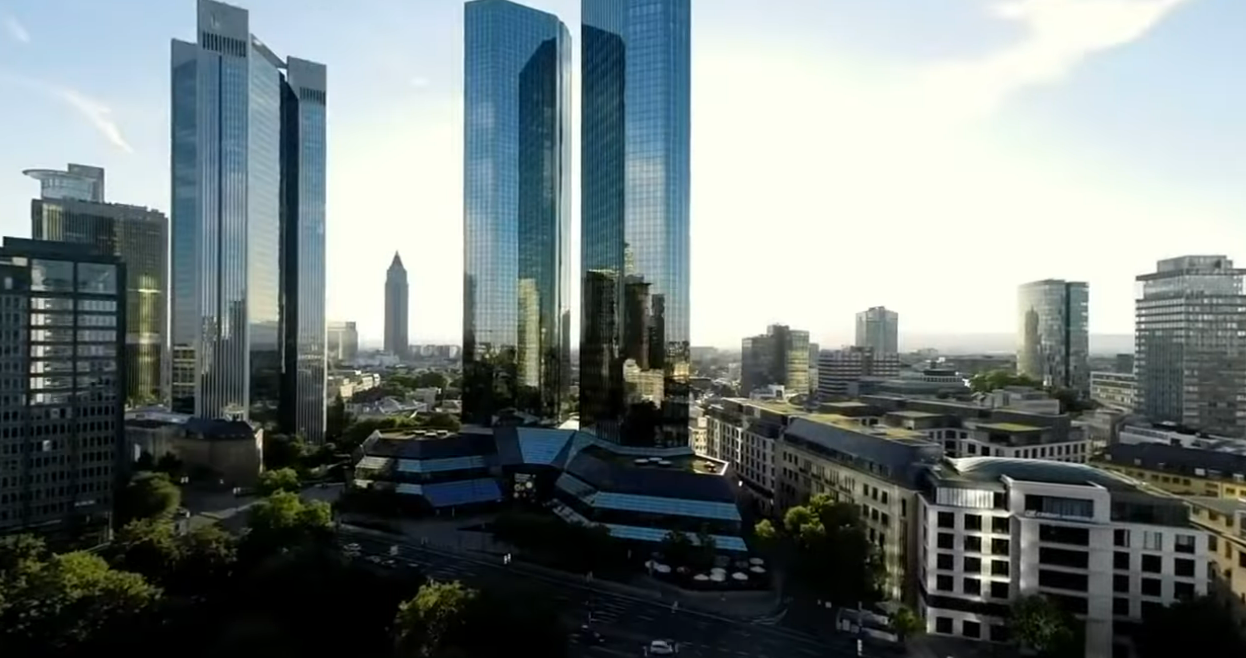
Helsinki does not strive to impress with chaos or skyscrapers. Instead, it provides structure that is so strong that it seems silent. I saw office buildings empty before five o’clock on a dreary Wednesday. People went to parks, corner cafés, and libraries to live, not to relax. It seemed especially intentional, as if there was an unwritten consensus that life is worth time, not extra hours.
In terms of emotional pace and air quality, Oslo is superior to most other cities. Its dedication to clean energy is not just environmentally beneficial, but also beneficial to people. I asked a local marketing executive I spoke with if they ever worked weekends. With a soft laugh, he said, “Only if something broke. Otherwise, it’s time for the family. Even though the comment was informal, its meaning was very clear.
There are more bikes than vehicles in Copenhagen. The rhythm of everyday existence is determined by design rather than by urgency. Workers complete their duties within the allotted time. I saw a parent, completely shameless, leave work at 3 PM to pick up their child from school. In addition to being strongly cultural, the flexibility is supported by the law. It is incredibly successful in lowering burnout and raising daily contentment.
Zurich is calm and steady. Even when packed, the city feels relaxed. Not only are lunch breaks by the lake common, they are expected. Public transportation operates with remarkable accuracy. “Efficiency here isn’t about speed; it’s about stability,” one resident clarified. As I observed a group of engineers casually enjoying coffee next to the tram stop, the distinction struck a chord with me.
| City | Average Workweek | Minimum Annual Leave | Key Support Features | Liveability Score | Healthcare Access |
|---|---|---|---|---|---|
| Helsinki, Finland | 33 hrs | 25 days | Strong mental health focus, clean air, equality | 100 | Universal public system |
| Oslo, Norway | 32.6 hrs | 25 days | High wages, free healthcare, strong parental leave | 96.5 | Universal public system |
| Copenhagen, Denmark | 32.5 hrs | 25 days | Eco-conscious, flexible hours, safe neighborhoods | 94.6 | Universal public system |
| Zurich, Switzerland | 32.8 hrs | 20 days | Low crime, clean public spaces, efficient transit | 91.8 | Hybrid public-private |
| Ottawa, Canada | 35.2 hrs | 10 days | Strong mental health services, low air pollution | 93.2 | Universal public system |
| Sydney, Australia | 32.3 hrs | 20 days | Diverse economy, relaxed pace, outdoor access | 93.0 | Public-private system |
Although Ottawa doesn’t want attention, it offers a tranquility that many larger cities can’t match. Compared to many other regions of North America, its mental health treatments are noticeably better and more accessible. The city seems to be scaled for people. Its design even cuts down on commute time, giving inhabitants more time at home rather than cooped up in traffic. It’s a silent triumph.
Sydney embraces its natural splendor. When I visited, I noticed workers eating lunch on Bondi Beach barefoot. I found the concept of combining regularity and relaxation to be quite adaptable. One manager outlined the company’s rule that, unless there is an emergency, meetings cannot take place beyond 3 PM. The way people show up the following day—energized rather than exhausted—is transformed by this structural respect for time.
Intent, not simply policy, was what was most notable in these cities. Rest is incorporated into productivity rather than being viewed as a break from it. Twelve-hour workdays are not rewarded for employees. They are trusted to finish their work before departing. People’s lives and ways of working are influenced by that foundational trust.
It’s not perfect. Inequality and pressures are present in every city. Here, however, equilibrium is not individually negotiated but rather safeguarded by the public. Additionally, that change is quite effective in preventing employee fatigue and motivating people to make more deliberate contributions.
Compare it to the hectic pace of places like Hong Kong, New York, or Dubai. There, peace is frequently sacrificed for prestige. Long hours are admired rather than a cause for concern. But what remains of a life when there is little to no recuperation time and little silence?
People in overworked cities are remarkably similar in that they lack balance-promoting structures rather than lacking motivation. A new approach is demonstrated by these world experts in work-life design. They have demonstrated that universal healthcare, generous leave, and shorter workweeks really boost economies rather than slow them down.
The statistics supports the lifestyle, from Sydney’s startup boom to Helsinki’s tech boom. Workers who don’t experience chronic fatigue are more likely to remain longer, think more clearly, and innovate more quickly. The benefits are both individual and societal.
I remember one chat I had in Copenhagen. “We value time here,” a barista told me as she skillfully served me espresso. We don’t squander time putting in extra hours to illustrate a point. It felt uncommon to have such a straightforward, solid, and communal ethos.
There is a lesson here as more cities struggle with mental health crises and burnout epidemics. It’s not a luxury to be balanced. Infrastructure is what it is. It also needs funding, upkeep, and political will, much like roads and bridges.
Global cities with a true work-life balance weren’t created overnight. With purpose, policy, and a dedication to treating people as more than just productive machines, they created it. The blueprint has already been created. It is now up to the others to follow.