

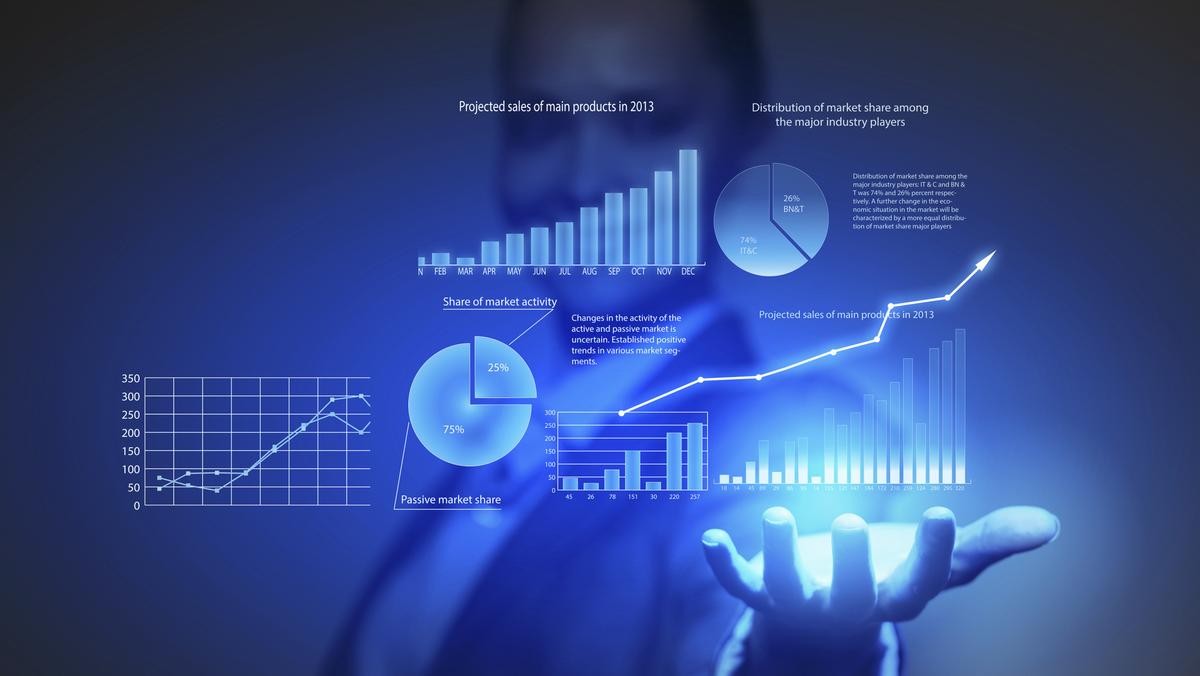
I remember sitting in a workshop a few years back where a veteran industrial designer frowned at a CAD model on a screen. He had spent weeks perfecting it and then asked plaintively “how do we know this will work for real people” and for the first time someone in that room pulled up charts of actual use patterns instead of arguing about vector lines. That moment stuck with me because it signaled a shift far bigger than a new spreadsheet or a better rendering plug‑in.
Product design used to be a craft rooted in intuition seasoned by experience. The designer’s eye and a circle of stakeholders stood between a concept and a prototype. What you built reflected expertise more than evidence. Today that is changing. Data‑driven design is not just a process adjustment it is redefining the logic of how products are imagined built and refined. Designers are still imagining possibilities but now those possibilities are vetted against streams of data before a physical object ever leaves a screen.
This shift traces back to the digitalization of product information. Digital models replaced paper drawings decades ago but the real revolution came when those models could be connected to real time usage and manufacturing data. Data from sensors user interactions and supply chain systems feed into a digital thread that links every stage of a product’s life — from initial concept to retirement. That data becomes a living record of how products perform how customers use them and where they fail or thrive. The idea is not futuristic it is happening now as companies harness diverse data sources and apply analytics and machine learning to turn raw numbers into design insight.
In the early days of digital product development teams would rely on focus groups or pilot tests to guide decisions. Those approaches still exist but they are now complemented and in some cases overshadowed by data collected at scale. Digital platforms and connected devices let organizations observe real user behavior not just inferred preferences. When a design decision arises the question is no longer what feels right but what does the data say? This is a profound change because it injects empiricism into the creative process and reduces the distance between the consumer’s lived experience and the designer’s assumptions.
For engineers working on complex systems the implications are enormous. Where once a team built multiple physical prototypes and iterated slowly through testing cycles modern product modeling tools integrated with analytics allow for digital prototyping that incorporates real‑world data. Simulations informed by actual performance metrics can test scenarios no physical prototype could easily replicate. Virtual wind tunnels structural stress simulations or dynamic interaction models draw on historical and real‑time data to validate designs before a single part is machined. It is this integration between data analytics and digital models that shortens development cycles and catches flaws much earlier in the process.
In some companies the feedback loop does not end at launch. Fleet data from deployed products flows back into design teams who treat post‑sales usage as the next phase of product research. This was once unthinkable because designers could only guess how their work would fare once in the field. Now engineers look at performance trends across geography climates and user demographics to refine upcoming versions or even spawn entirely new product lines. It is a feedback‑rich environment where every tractor wind turbine or software interface tells a story about how it is used and misused and what could be improved.
The culture of design is also shifting as a result. Traditional debates about aesthetic preferences or theoretical ergonomics give way to discussions rooted in measurable outcomes. Teams align around evidence because data provides a common language that bridges design engineering marketing and user research groups. This can reduce internal conflict but it also demands new competencies. Designers now need at least a fluency in data interpretation analytics and the ability to question the quality of datasets. The sharp intuition of a veteran designer remains valuable but it works alongside rather than above empirical evidence.
I have seen teams argue quietly over whether a user drop‑off at a particular interface point matters only to realize the data shows a consistent pattern that correlates with feature abandonment. In that quiet moment a designer’s frown often transforms into curiosity. That shift from opinion to evidence based thinking is what makes data‑driven design different.
Part of this change is technological. Machine learning statistical models and advanced analytics can reveal patterns that human observers might miss. These tools can predict likely user behavior again reducing guesswork. But technology is only part of it. Organizational processes built around continuous data collection and iterative validation are just as critical. Data‑driven design thrives in environments where teams are comfortable updating designs frequently based on evidence and where the product lifecycle is considered a loop rather than a straight line from concept to delivery.
Yet there is unease in some corners of the design world. Critics worry that data might flatten creativity or reduce design to optimization tasks. They point out that not all insights can be quantified and some of the most meaningful innovations arise from leaps of imagination that data alone could never signal. Those concerns are not invalid. What is changing is not the soul of design but the processes that support it. Data augments creativity it does not replace it.
Perhaps the biggest impact of data‑driven design is its power to democratize insight. In mature implementations product teams no longer need to rely on a handful of experts to interpret market needs. Analysts designers developers and product managers collaborate around shared evidence. This collaborative model distributes responsibility for decisions and encourages a more holistic understanding of customer needs.
Data‑driven design and product modeling are not a passing trend. They reflect a deeper transformation in how we conceive test and refine products — a move from intuition to evidence from isolated decisions to continuous learning and from linear processes to adaptive cycles. It is a change quietly unfolding in engineering studios and design labs around the globe one data point at a time.