

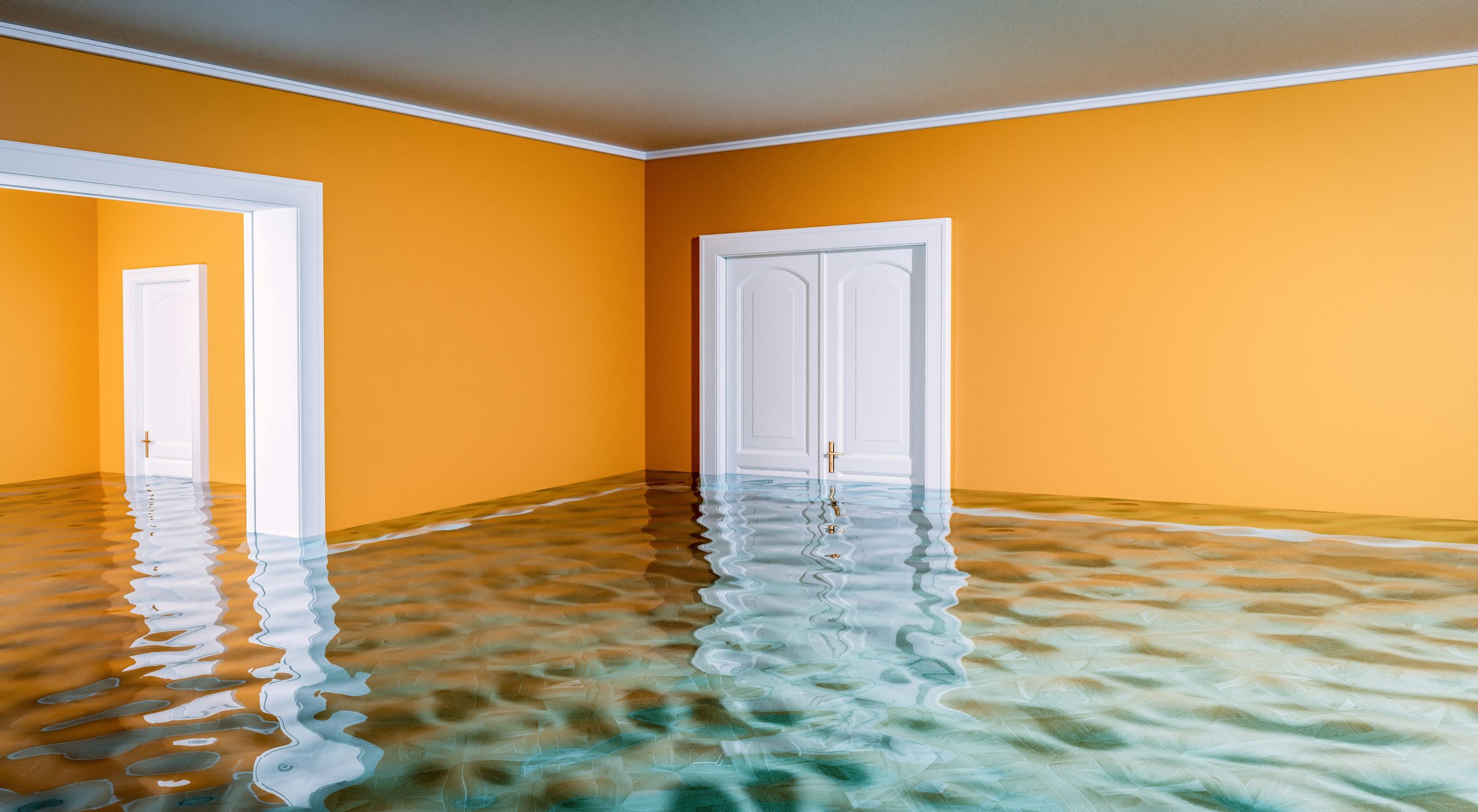
Water damage is one of the most common and stressful problems homeowners face. Whether it’s caused by burst pipes, heavy storms, appliance leaks, or basement flooding, water can quickly spread through walls, flooring, and structural materials. In states like Maryland, where homes may experience seasonal storms, plumbing failures, or winter pipe bursts, fast restoration is critical.
One of the most common questions homeowners ask after a disaster is: How long does water damage restoration usually take in Maryland homes? The answer depends on several factors, including the severity of the damage, the size of the affected area, and how quickly restoration professionals begin the cleanup process.
This guide explains the typical restoration timeline, the stages involved in the process, and what homeowners can expect during recovery.
Typical Timeline for Water Damage Restoration
In most residential situations, water damage restoration can take between 3 days and 2 weeks. Minor water damage may be resolved in a few days, while severe flooding or structural damage can require more time.
The process usually includes several stages such as inspection, water removal, drying, cleaning, and repairs. Each stage plays an important role in restoring the home safely.
Step 1: Inspection and Damage Assessment (Several Hours)
The restoration process begins with a professional inspection of the property. Restoration technicians examine the affected areas to determine the source of the water and the extent of the damage.
During this stage, professionals use tools like moisture meters and thermal imaging cameras to detect hidden moisture behind walls, ceilings, and flooring. This inspection helps create a clear restoration plan and timeline.
For most homes, the inspection and assessment process takes one to three hours, depending on the size of the property and the amount of damage.
Step 2: Water Extraction (Several Hours to One Day)
Once the assessment is complete, the next step is removing standing water. This step is extremely important because the longer water sits inside a home, the more damage it can cause.
Professional restoration companies use powerful pumps and industrial vacuums to remove water quickly. For smaller incidents, this process may take only a few hours. Larger flooding situations, such as basement floods, may require a full day of extraction work.
Fast water removal significantly reduces the risk of structural damage and mold growth.
Step 3: Drying and Dehumidification (3–5 Days)
Even after visible water is removed, moisture often remains trapped inside building materials like drywall, wood, insulation, and carpeting. Proper drying is essential to prevent mold growth and long-term damage.
Restoration professionals place industrial air movers and dehumidifiers throughout the home to remove remaining moisture. They also monitor humidity levels and moisture readings daily to ensure the structure dries properly.
This stage typically takes three to five days, though larger homes or severe damage may require more time.
Step 4: Cleaning and Sanitizing (1–2 Days)
Once the structure is dry, the affected areas must be cleaned and sanitized. Water damage can introduce bacteria, contaminants, and unpleasant odors into the home.
During this stage, restoration teams clean surfaces, treat materials with antimicrobial solutions, and deodorize the property. Carpets, upholstery, and personal belongings may also be cleaned or restored when possible.
The cleaning process usually takes one to two days, depending on the amount of damage and the number of affected items.
Step 5: Repairs and Restoration (Several Days to Several Weeks)
The final stage of water damage restoration involves repairing or replacing damaged materials. This may include replacing drywall, installing new flooring, repainting walls, or repairing structural components.
Minor repairs may only take a few days, while major reconstruction projects can extend the restoration timeline by several weeks. The total time depends largely on the severity of the damage and the availability of materials.
Factors That Affect Restoration Time
Every water damage situation is different, and several factors can influence how long restoration takes.
The extent of the damage is one of the biggest factors. Small leaks affecting a single room can be resolved quickly, while widespread flooding across multiple floors requires more extensive work.
The type of water involved also matters. Clean water from a pipe leak is easier to handle than contaminated water from sewage backups or floodwater, which requires additional sanitation procedures.
The size of the affected area also impacts the timeline. Larger homes or properties with multiple affected rooms require more drying equipment and longer restoration times.
Another important factor is how quickly restoration begins. Homes that receive professional attention immediately after water damage often recover faster than those where water remains untreated for long periods.
Signs the Restoration Process May Take Longer
In some cases, restoration timelines may extend beyond the typical timeframe. This may happen if moisture has been present for several days before being discovered.
Delayed restoration can lead to complications such as:
- Mold growth inside walls or flooring
- Severe structural damage
- Warped wood or flooring materials
- Hidden moisture behind insulation or drywall
When these issues are present, additional remediation steps may be required before repairs can begin.
What Homeowners Can Expect During Restoration
Water damage restoration can feel disruptive, but professional teams aim to make the process as smooth as possible. Homeowners can expect technicians to monitor moisture levels daily, adjust drying equipment as needed, and keep them informed throughout the process.
Many restoration companies also assist with insurance documentation by recording damage and providing detailed reports for claims.
While the drying equipment may run continuously for several days, this stage is critical for ensuring that the home is completely dry and safe.
Final Thoughts
Water damage can cause significant disruption to Maryland homes, but fast action and professional restoration can greatly reduce long-term damage. In most cases, the restoration process takes anywhere from a few days to a couple of weeks, depending on the severity of the damage and the steps required to repair the property.
By understanding the restoration timeline and working with experienced professionals, homeowners can recover more quickly and restore their homes to a safe and comfortable condition.