

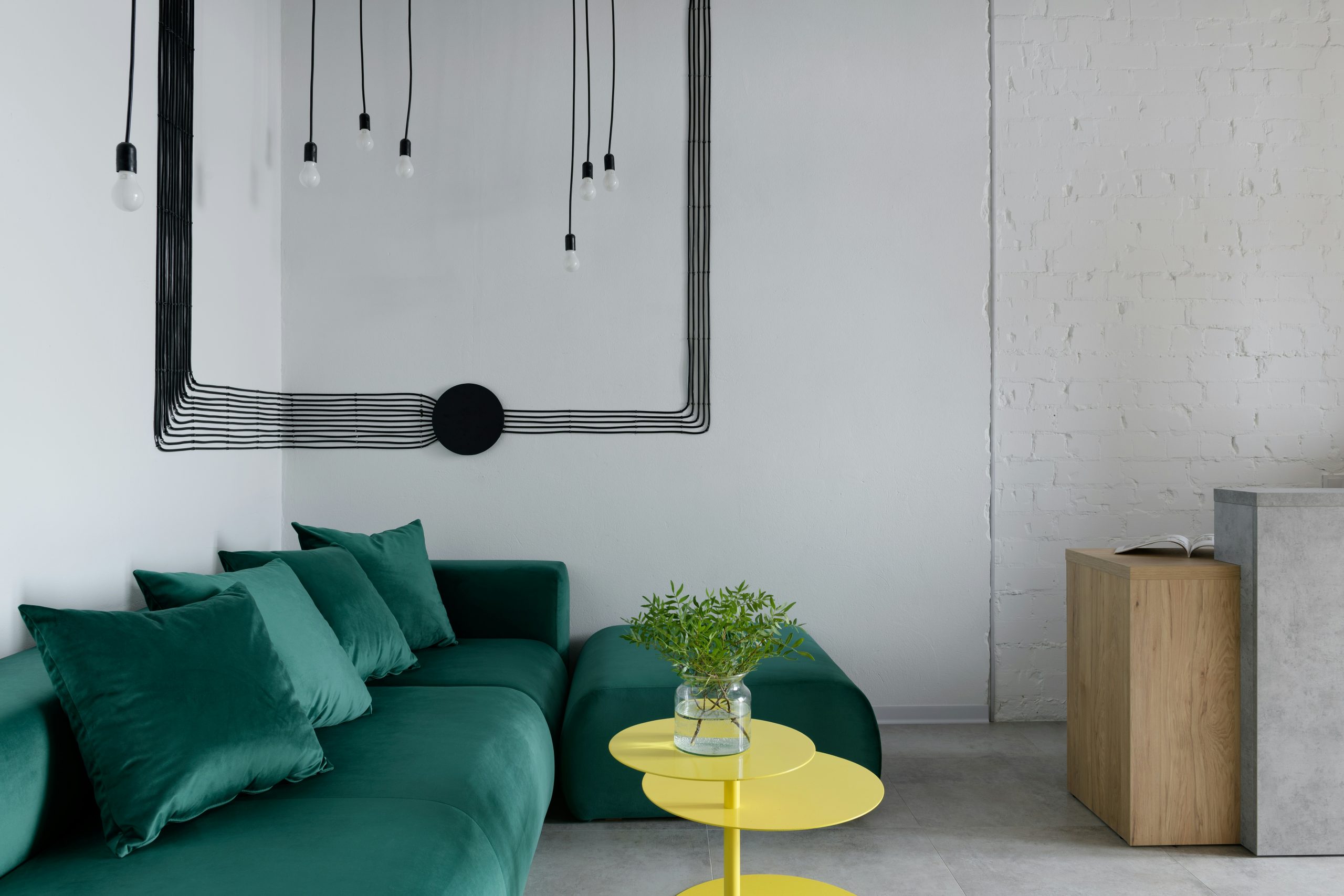
The residential housing landscape is evolving rapidly as we move through 2025, shaped by technological innovation, environmental concerns, and changing lifestyle priorities. Today’s homeowners face different challenges and opportunities than previous generations, requiring a fresh approach to what makes a house truly functional and comfortable. Understanding these modern needs helps both current homeowners and prospective buyers make informed decisions about their living spaces.
Smart Home Integration
Modern homes in 2025 increasingly require comprehensive smart home systems that go beyond basic convenience. According to recent market research, the global smart home market is projected to reach over $174 billion by 2025, reflecting widespread adoption across residential properties. These systems now encompass everything from climate control and security to energy management and entertainment.
The integration of voice-activated assistants has become standard, allowing residents to control multiple home functions through simple commands. Smart thermostats learn household patterns and adjust temperatures automatically, while intelligent lighting systems adapt throughout the day to support circadian rhythms and energy efficiency. Security cameras, doorbell systems, and smart locks provide enhanced safety features that homeowners can monitor remotely through smartphone applications.
Energy Efficiency and Sustainability
Environmental consciousness drives many contemporary home requirements, with energy efficiency becoming non-negotiable for forward-thinking homeowners. The residential sector accounts for approximately 20 percent of total energy consumption in developed nations, making improvements in this area crucial for both cost savings and environmental impact.
Solar panel installations continue gaining traction, with some regions reporting adoption rates increasing by 30 percent annually. Energy-efficient windows with advanced insulation properties help maintain comfortable indoor temperatures while reducing heating and cooling costs. High-efficiency HVAC systems equipped with smart controls optimize energy usage based on occupancy and weather conditions.
Water conservation features also rank high on the priority list. Low-flow fixtures, rainwater harvesting systems, and drought-resistant landscaping help reduce water consumption while maintaining comfortable living standards. These features not only lower utility bills but also increase property values as buyers increasingly seek sustainable homes.
Flexible Living Spaces
The shift toward remote and hybrid work arrangements has fundamentally changed residential space requirements. Homes now need dedicated office areas with proper lighting, including a few bedroom lights strategically placed to reduce eye strain during video calls and extended screen time. These spaces require reliable high-speed internet connectivity, adequate electrical outlets, and sound insulation to minimize distractions.
Beyond home offices, modern residences benefit from multipurpose rooms that adapt to changing needs. A space might function as a yoga studio in the morning, a playroom in the afternoon, and a guest bedroom in the evening. This flexibility maximizes square footage efficiency, particularly important in urban areas where space comes at a premium.
Enhanced Air Quality Systems
Indoor air quality has emerged as a critical health concern, particularly following increased awareness about airborne pathogens and pollutants. Modern homes require robust ventilation systems that continuously circulate fresh air while filtering out contaminants. HEPA filtration systems remove particles as small as 0.3 microns, capturing allergens, dust, and other irritants.
Humidity control systems prevent mold growth and maintain comfortable moisture levels year-round. Some advanced systems include air quality monitors that track various pollutants and adjust ventilation automatically. These features prove especially valuable for households with young children, elderly residents, or family members with respiratory conditions.
Outdoor Living Extensions
The concept of usable living space now extends well beyond interior walls. Outdoor areas have transformed into functional extensions of the home, requiring thoughtful design and amenities. Covered patios, outdoor kitchens, and weather-resistant entertainment areas allow year-round outdoor enjoyment in many climates.
Landscaping serves multiple purposes beyond aesthetics, incorporating native plants that require minimal maintenance while supporting local ecosystems. Outdoor lighting extends the usability of these spaces into evening hours while enhancing security. Fire features and outdoor heating elements make these areas comfortable during cooler months.
Future-Ready Infrastructure
Preparing homes for emerging technologies requires forward-thinking infrastructure investments. Electrical panels should have capacity for future additions like electric vehicle chargers, which are becoming standard as transportation electrifies. Conduit pathways allow for easier installation of new wiring as technology evolves.
High-bandwidth internet infrastructure supports the increasing number of connected devices in modern households. Some experts estimate that average homes will contain over 50 connected devices by 2026, requiring robust network capabilities. Pre-wiring for future upgrades prevents costly renovations later.
Final Word
Residential homes in 2025 must balance multiple priorities including technological integration, environmental sustainability, health considerations, and lifestyle flexibility. These requirements reflect broader societal shifts toward remote work, environmental consciousness, and health awareness. Homeowners who address these needs create spaces that not only meet current demands but remain relevant and valuable for years to come. Whether building new or renovating existing properties, focusing on these essential elements ensures homes remain comfortable, efficient, and adaptable in an ever-changing world.