

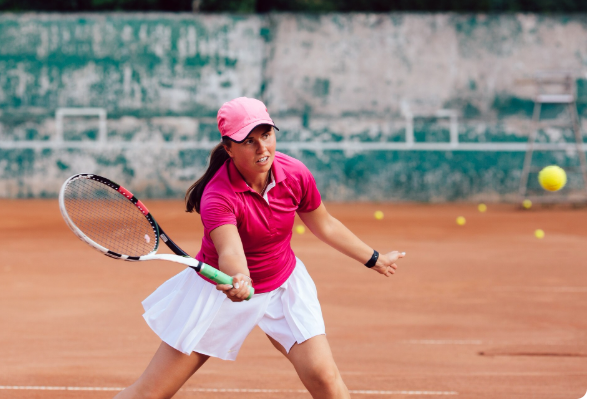
Maria Sakkari’s financial rise over the past ten years has been very similar to the steady climb of an athlete up a mountain, with each match won, each contract signed, and each decision carefully weighed adding stability. Her estimated net worth of $10 million is not due to sudden luck, but rather to her incredible ability to stay focused and work hard over time, which has led to a very stable income from prize money, sponsorships, and long-term discipline.
A few years ago, on a warm afternoon in Paris, she made it to her first Grand Slam semifinal. The applause felt different then; it was less like celebration and more like recognition of arrival. That moment not only gave her ranking points, but it also gave her a financial boost, which made her much more visible to sponsors who want to work with athletes who can keep up their high level of performance.
| Category | Details |
|---|---|
| Full Name | Maria Sakkari |
| Estimated Net Worth | Approximately $10 million |
| Nationality | Greek |
| Age | 29 |
| Residence | Monte Carlo, Monaco |
| Career Prize Money | Over $11 million |
| Highest Ranking | World No. 3 (March 2021) |
| Major Titles | Morocco Open 2019, Guadalajara Open 2023 |
| Endorsements | Adidas, Rolex, Porsche, Dior |
| Source |
The prize money has always been her most clear base. Her income shows how consistent performance can lead to financial security, especially when combined with careful career planning. She has made more than $11 million directly from competition. Every tournament is a chance and a risk, so you need to be able to handle both emotionally and physically.
Endorsements came quickly after that, moving together like a swarm of bees around a source of value that had already been proven. Adidas, Rolex, Porsche, and Dior all saw her as a credible brand and partnered with her. These partnerships helped her make more money outside of tournaments.
Most of the time, these deals don’t happen right away. They grow slowly over time, influenced by trust, timing, and how the public sees them.
During the pandemic, when professional tennis was in trouble and things were uncertain, sponsorship income became surprisingly stable for athletes with good reputations. Endorsement deals helped Sakkari stay financially stable during times when tournaments were on hold and travel was slow. This was important because her schedule was unpredictable and there were fewer chances to compete.
Her aggressive playing style has become a very useful financial asset, turning her athletic identity into commercial value. Sponsors often like athletes who seem real, and her intense focus and openness about her feelings make her appeal last across a wide range of audiences and markets.
In Monte Carlo, where she lives with a lot of other professional players, success feels both obvious and understood. There are expensive cars and fancy apartments next to early morning training sessions, which remind people that making money in tennis is still very much tied to hard work and giving up things.
That level of calmness, which she has shown over many seasons, has helped her reputation stay very strong, which is something that sponsors value almost as much as wins. As athletes learn to deal with stress and expectations, their financial growth often reflects their emotional growth, getting stronger over time.
Winning the Morocco Open in 2019 was a turning point that was especially creative in changing the course of her career. That win showed that she could turn potential into results, which made her more popular with sponsors and tournament organizers who give prizes to proven winners.
Years later, winning the Guadalajara Open title helped her finances once more. Each win brought in money directly, but it also gave her more power to negotiate, so she could get endorsement deals from a position of strength instead of hope.
For professional athletes, rankings are like money-making machines that move opportunities forward. Higher rankings mean better tournament placements, which means more chances to go further and win more money and get more sponsorship attention at the same time.
Sakkari made the most money by consistently being near the top tier, which seems like a very smart and effective way to do it. She didn’t depend on short-term fame; instead, she built a base that would keep her financially stable for years.
Being in the Netflix documentary Break Point helped her get more attention from people who don’t usually watch tennis. When done right, media exposure can help build personal brands much faster and open up partnerships that might not have been possible before.
Tennis players don’t usually make money in a straight line. Injuries, losses, and other unexpected events can quickly stop an athlete’s progress, forcing them to adapt and regain their confidence. People who recover the fastest often have the best long-term financial results.
Sakkari’s career is a clear example of this pattern. Her role models, like Serena Williams and Roger Federer, showed her how athletes could turn their skills into long-term financial success. Their influence on her career choices seems very clear, as they have led her to partnerships and investments that go beyond short-term profits.
She made multiple income streams by combining sponsorships with competitive performance. This made her less dependent on any one source. This strategy of spreading her money around worked very well to keep her finances safe during times of uncertainty.
Women’s tennis has gotten a lot faster at making money over the past ten years, especially for players who are popular all over the world. Sakkari’s Greek background and international presence made her more marketable because brands wanted real and diverse ambassadors.
Living in Monaco is also a sign of good financial planning. The location has training benefits, tax breaks, and is close to major tournaments, which makes it especially good for athletes who have to manage international careers.
Her net worth today is more than just the money she’s made. It shows that you made choices carefully over time, using discipline, patience, and awareness.
The growth of sports businesses often follows the same pattern as the competition itself: it moves forward slowly, with breaks now and then, but always keeps going. Sakkari’s earnings show that being consistent can lead to results that feel both stable and motivating.
Even losses help in an indirect way by building experience and resilience that will help you succeed in the future.