The taxi driver outside Istanbul Airport knew exactly where the couple from Manchester needed to go before they even finished explaining. “Dental clinic?” he asked, glancing in the mirror with a small grin. It has become that predictable. On any given morning in the city, patients arrive with carry-on luggage and a quiet mix of hope and apprehension, usually for procedures that promise something deceptively simple: a better smile.
Turkey did not stumble into dental tourism by accident. Over the past decade, the country has quietly assembled a system that blends modern clinics, experienced specialists, and prices that make patients from Western Europe pause mid-calculation. Procedures that might cost several thousand pounds in the UK can often be completed for a fraction of that amount here, sometimes packaged together with hotel stays and airport transfers.
The financial arithmetic is often the first hook, but it is rarely the whole story.
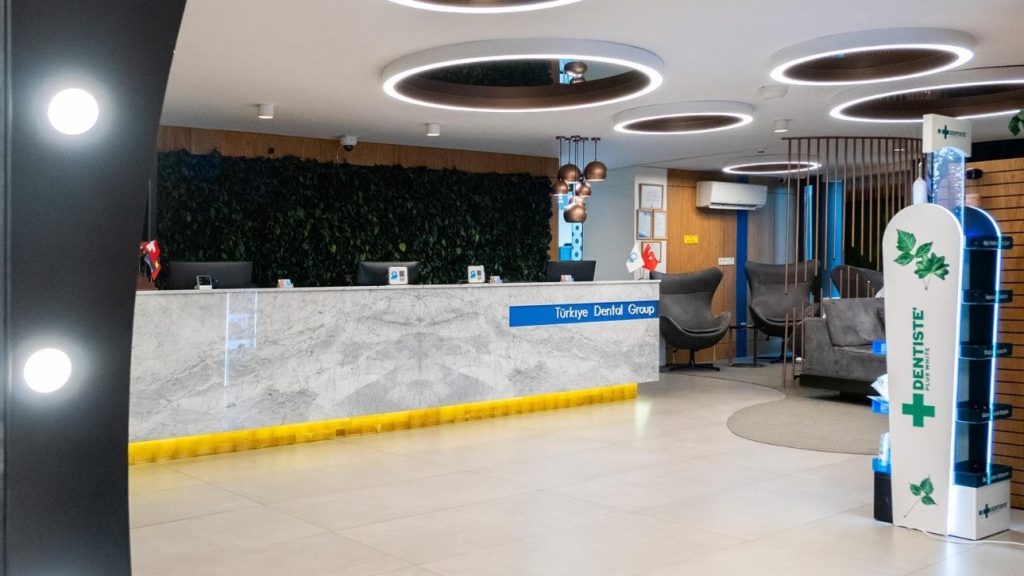
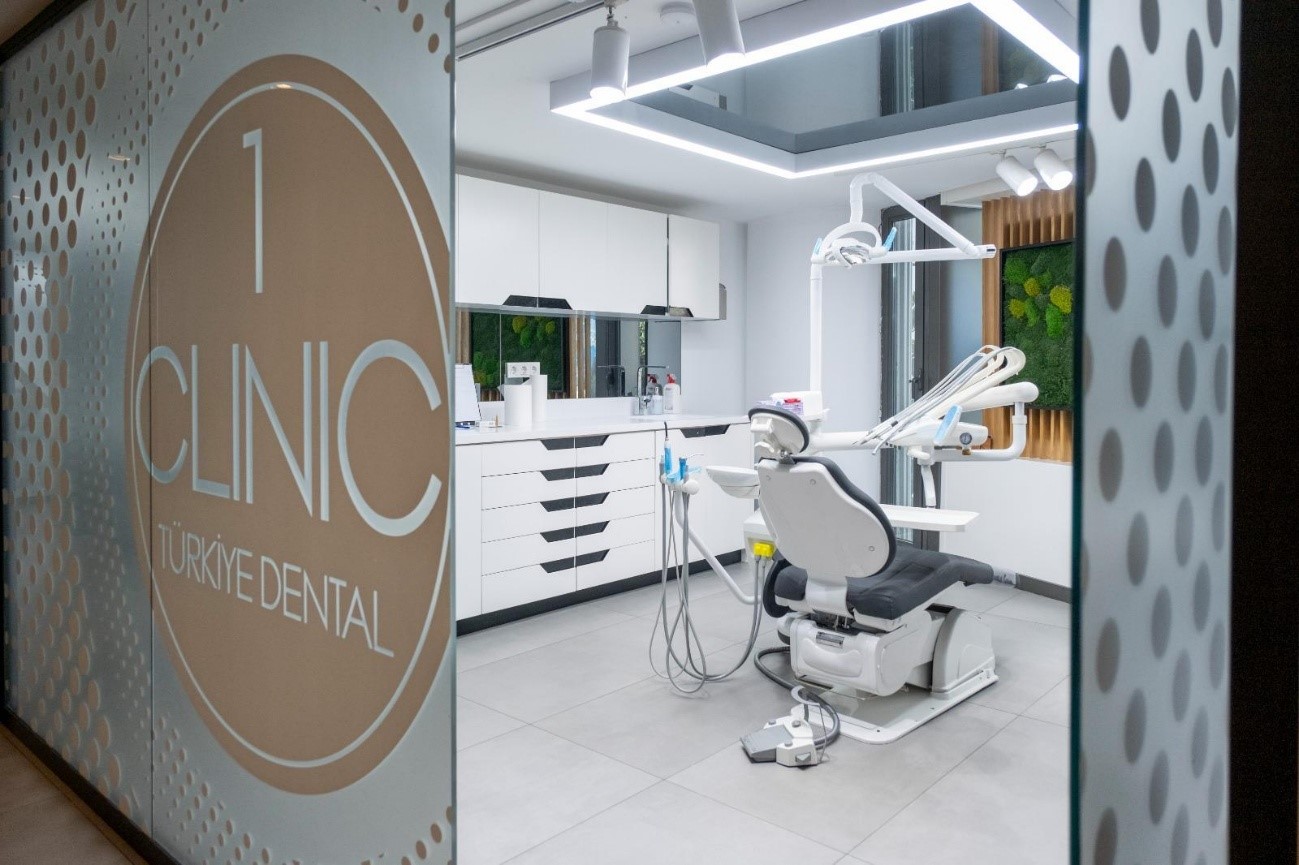
Many of the clinics catering to international patients operate more like coordinated service hubs than traditional dental offices. Appointments are scheduled tightly to accommodate visitors with limited travel time. Translation services are common. Detailed treatment plans are sent weeks before arrival, sometimes accompanied by digital simulations showing how the final smile might look.
That preview—what clinics call digital smile design—has become one of the quiet technological shifts in cosmetic dentistry. Patients can see a 3D representation of how implants, veneers, or crowns will reshape their teeth before a single procedure begins. For someone about to invest both money and courage, that kind of visualization can turn uncertainty into something closer to trust.
Aesthetic dentistry dominates the demand.
Procedures like the “Hollywood Smile,” zirconium crowns, laminate veneers, and implant-supported restorations appear repeatedly in clinic brochures. Each treatment aims at the same idea: teeth that look natural but noticeably refined. Zirconium and Emax crowns, for example, are favored for their ability to mimic the translucence of real enamel. Laminate veneers are thinner and often used for the front teeth, requiring minimal alteration of the natural tooth.
Clinics such as Turkey Dental which is in İstanbul, Nişantaşı have built much of their reputation around this aesthetic specialization, attracting patients particularly from the UK, Germany, France, and the Middle East. Their model is typical of the broader industry: treatment planning handled remotely, consultations conducted upon arrival, and a tightly organized schedule that allows major procedures to unfold over just a few days.
Other centers operate with slightly different approaches, ranging from large international patient programs to smaller boutique practices that emphasize direct communication with dentists.
What they share is a focus on efficiency.
The travel-and-treatment combination has become a defining feature of the experience. A patient might land in Istanbul on Monday, undergo diagnostic imaging and consultations that afternoon, begin treatment the next day, and spend recovery hours exploring neighborhoods like Karaköy or Nişantaşı between appointments.
At one clinic waiting area, I watched a group of patients comparing their itineraries the way travelers might discuss sightseeing plans.
I remember thinking that the entire scene felt oddly similar to a well-organized tour.
Still, dentistry is not tourism in the traditional sense, and the emotional atmosphere reflects that. Conversations often carry a mixture of excitement and nervous calculation. People talk about years of postponed dental work, about the embarrassment of hiding their teeth in photographs, about finally deciding the timing and cost made sense.
Sometimes the decision happens quickly.
A man from Leeds described how a consultation quote back home pushed him to research alternatives. Within a week he had scheduled a procedure in Istanbul. “If I’m going to spend that much,” he said, half laughing, “I might as well see another country while I’m at it.”
Behind the glossy before-and-after photos lies a competitive medical sector shaped by global demand. Clinics invest heavily in sterilization protocols, radiological imaging, and digital measurement systems, partly because international patients expect visible proof of modern standards.
And they ask questions.
What materials are used? How long will implants last? What happens if complications appear after returning home?
Clinics that succeed in this market understand that reassurance matters as much as price. Detailed consultations, follow-up communication, and transparent treatment planning have become part of the service itself.
The result is a peculiar but effective ecosystem—half medical practice, half logistical operation—where dentistry, hospitality, and international travel overlap in ways that would have seemed unusual twenty years ago.
In the end, what draws people to Turkey for dental treatment isn’t just affordability or technology. It’s the feeling that the entire process has been carefully arranged around them, from the first consultation email to the final taxi ride back to the airport, carrying a new smile and a slightly surreal travel story.