

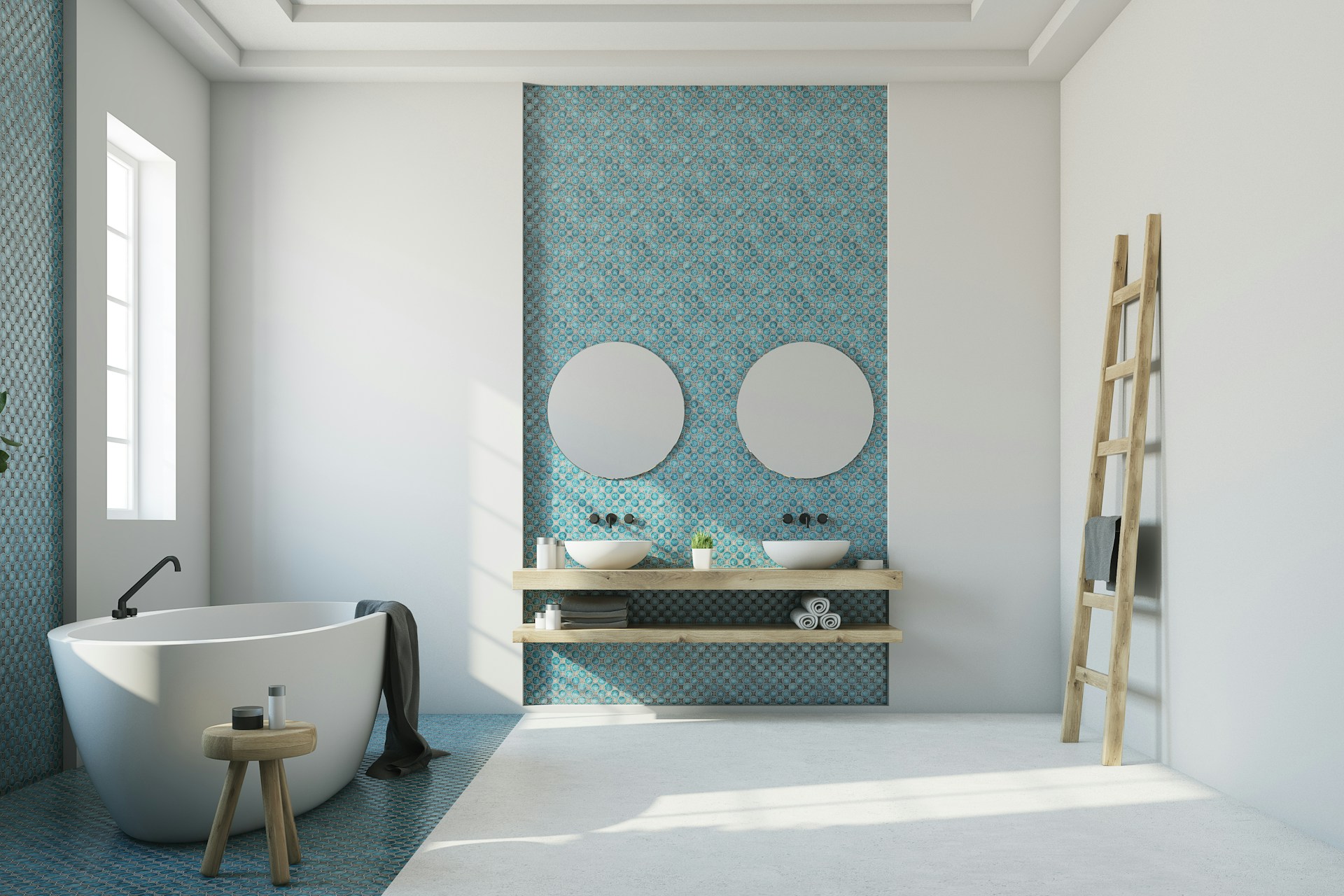
Home should do more than look good. It should give something back.
For introverts, that “something” is often a sense of calm, privacy and quiet restoration. After a day of noise, conversation, movement and demands, the right interior can help the nervous system settle and the mind unclench. This does not mean a home needs to be minimal, muted or empty. It simply means it should be designed with intention, creating spaces that feel gentle to inhabit rather than performative to show off.
That is where thoughtful furnishing choices make a real difference. A reading corner with comfortable chairs, soft lighting and a sense of enclosure can do far more for day-to-day wellbeing than a room that is technically stylish but never truly relaxing. Designing for introverts is less about following trends and more about understanding how a space feels when you are actually living in it.
Why Introvert-Friendly Design Matters
Introverts are often described as people who “like being alone”, but that is only part of the picture. More accurately, many introverts recharge through reduced stimulation, privacy, quiet reflection and time spent in environments that do not ask too much of them. The home, then, becomes an important recovery space.
When interiors are overly bright, cluttered, exposed or noisy, they can feel draining rather than restorative. Open-plan layouts with no separation, harsh lighting, constant visual activity and furniture chosen purely for looks can all make it harder to relax. On the other hand, when a home includes softness, boundaries, texture and moments of retreat, it becomes a place that actively supports energy restoration.
Good design for introverts is not anti-social, gloomy or closed off. It simply respects the idea that not every room needs to be loud, open or “on” all the time.
Start With the Feeling, Not the Style
A common mistake in interior design is starting with a visual label before thinking about lifestyle. People might say they want Scandinavian, contemporary, coastal or modern organic, but the better question is: how do you want your home to make you feel?
For introverts, the answer is often something like calm, safe, grounded, warm or quiet. That emotional goal should guide every design decision that follows. This might mean:
- choosing layouts that allow for small pockets of solitude
- prioritising soft finishes over hard, echo-prone surfaces
- selecting a restrained palette that feels restful rather than demanding
- incorporating furniture that encourages lingering, reading, thinking or simply doing nothing for a while
When the emotional purpose is clear, the style becomes easier to shape around it.
Create Spaces That Do Not Demand Performance
Some interiors seem designed for being seen rather than lived in. Every surface is styled. Every chair looks formal. Every room appears ready for guests, photos or entertaining. For an introvert, that kind of environment can feel subtly exhausting.
Restorative interiors work differently. They allow people to soften. They do not require perfect posture, constant tidiness or a certain mood. They invite exhalation.
This often comes down to choosing pieces that feel genuinely usable. Deep seating, soft rugs, layered curtains, forgiving fabrics and practical side tables all help create an atmosphere where someone can settle in without feeling like they are disrupting the room.
The most restorative homes tend to have a lived-in ease about them. They are beautiful, but not brittle.
Think in Retreat Zones, Not Just Rooms
One of the best design strategies for introvert-friendly interiors is creating retreat zones. These do not have to be entire rooms. In many homes, a retreat zone might simply be a corner, alcove or window seat that feels slightly set apart from the rest of the space.
A retreat zone might include:
- a lounge chair and lamp for reading
- a small bench by a bedroom window
- a quiet nook with layered textiles and a side table
- a desk area positioned away from household traffic
- a secondary sitting space that feels more cocooning than communal
The key is psychological separation. Even in smaller homes, people can feel more restored when there is a place that signals pause, stillness and a bit of personal territory.
Use Lighting to Reduce Social and Sensory Fatigue
Lighting has an enormous impact on how a home feels, yet it is often treated as an afterthought. For introverts, especially those who feel easily overstimulated, lighting can either soothe or agitate.
Harsh overhead lights tend to flatten a room and create a sense of exposure. Softer, layered lighting feels more forgiving and restorative. Lamps, wall lights and warm-toned bulbs create pools of light rather than flooding every corner at once. This allows a room to feel calmer, more intimate and easier to inhabit at the end of the day.
Dimmer switches can also make a major difference, as can using lighting intentionally for different moods. Bright task lighting has its place, but restorative design leans more heavily on ambience, warmth and flexibility.
Choose Colours That Calm Rather Than Compete
Colour psychology is not one-size-fits-all, but in general, introvert-friendly interiors tend to benefit from palettes that feel settled rather than busy. This does not mean everything must be beige. It simply means colour should support the room rather than constantly calling attention to itself.
Soft earth tones, warm whites, muted greens, dusty blues, gentle greys and richer cocooning shades can all work beautifully depending on the room and the amount of natural light available. The goal is to create visual quiet.
Too many competing colours, sharp contrasts or high-energy accent pieces can make a space feel mentally noisy. A more restrained palette allows the eye to rest and the room to feel cohesive.
That cohesion matters. It helps create a sense of order, and order is often deeply calming.
Let Texture Do More of the Talking
When designing a restorative home, texture often matters more than decoration. An introvert-friendly interior does not need endless accessories or statement pieces. Instead, depth can come from materials and tactile contrast.
Think about:
- linen curtains that soften natural light
- wool or loop-pile rugs that absorb sound
- timber finishes that add warmth
- upholstered seating that feels inviting
- cushions and throws that make a room feel less rigid
- matte surfaces rather than shiny, reflective ones
Texture creates richness without noise. It gives a space personality while still preserving calm.
Reduce Visual Clutter Without Removing Character
There is a difference between minimalism and visual relief. Introverts do not necessarily want empty homes, but many do feel better in spaces where the eye is not constantly processing clutter.
That means editing what is visible. Not every surface needs décor. Not every shelf needs to be full. Not every wall needs to be making a statement.
Closed storage can help enormously, especially in living areas and bedrooms. So can keeping decorative objects grouped rather than scattered, and choosing fewer pieces with more meaning. Books, ceramics, framed art and collected objects still have a place, but they should contribute to calm rather than competition.
A restorative interior feels selective. It gives treasured pieces room to breathe.
Make Privacy Feel Built In
Privacy is a core design consideration for introverts, yet many modern homes are arranged around openness above all else. While open-plan living can be useful, it often benefits from subtle ways to create boundaries.
This can be achieved through:
- rugs that visually define separate zones
- curtains or sheers that soften exposure
- bookshelves used as gentle room dividers
- furniture placement that turns seating inward rather than outward
- screens, joinery or plants that create quiet separation
Even the orientation of a chair matters. A seat angled toward a window or tucked into a corner can feel more restorative than one placed squarely in the centre of household activity.
The message is simple: privacy does not need to be dramatic to be effective.
Prioritise Acoustic Comfort
A restorative home is not only visually calm. It should also sound calm.
Hard flooring, bare walls, high ceilings and minimal furnishings can all increase echo and amplify household noise. For someone who restores energy through quiet, this can have a surprisingly large impact.
Acoustic comfort can be improved with rugs, curtains, upholstered furniture, wall hangings and bookshelves. Bedrooms especially benefit from sound-softening choices, but living spaces do too. The aim is not silence in the absolute sense, but a reduction in harshness.
Soft acoustics make a home feel more sheltering. They can transform a room from cold and exposed to warm and protective.
Design for Solitary Rituals
One of the most effective ways to design for introverts is to think about rituals rather than only aesthetics. What does this person actually do to recharge?
Maybe it is reading with a cup of tea. Maybe it is listening to music while the lights are low. Maybe it is journalling, crafting, stretching, or sitting quietly with the dog while the afternoon light moves across the room.
These small rituals should have physical support within the home. A bedside lamp in the right place. A chair that suits long reading sessions. A bath caddy. A side table beside the sofa. A dining nook that doubles as a quiet workspace. When interiors support private routines, they become deeply personal and genuinely restorative.
That is the difference between a space that looks good and a space that actively improves life.
Bedrooms Should Feel Like Refuge, Not Overflow Storage
For introverts, bedrooms often carry even more importance than usual because they serve as the clearest zone of retreat. A bedroom should feel like a refuge from the rest of the home, not a spillover area for laundry, tech clutter and unfinished tasks.
To create that feeling, it helps to keep the palette soft, the lighting layered and the furniture purposeful. Too much visual noise can undermine the room’s ability to calm. Better to choose a few grounding elements that do their job well.
Think quality bedding, gentle window coverings, a practical bedside setup, and enough storage to keep surfaces clear. If possible, avoid making the bedroom double as a chaotic office or catch-all. The stronger the room’s identity as a place of rest, the more restorative it becomes.
Introvert Design Is Not About Hiding
It is worth saying clearly: designing for introverts is not about creating a space that shuts out the world completely. Nor is it about making every room dark, serious or solitary. It is about balance.
An introvert-friendly home can still be social, welcoming and beautiful. It can host friends, hold family life and support shared moments. But it also understands the value of quiet corners, softened edges and low-pressure comfort. It leaves room for recovery.
In that sense, designing for introverts is really about designing with emotional intelligence. It asks not just how a home will look, but how it will care for the people inside it.
The Most Restorative Interiors Feel Deeply Personal
Ultimately, the best introvert-friendly homes are not trend-driven. They are self-aware. They reflect the rhythms, sensitivities and preferences of the people who live there.
That might mean fewer statement pieces and more tactile comfort. Less openness and more layering. Less pressure to impress, and more attention to how the home functions as a restorative environment.
A beautiful interior is not always the one that photographs best. Sometimes it is the one that welcomes you in quietly, asks nothing of you, and helps you feel more like yourself again.
For introverts, that kind of design is not indulgent. It is essential.