

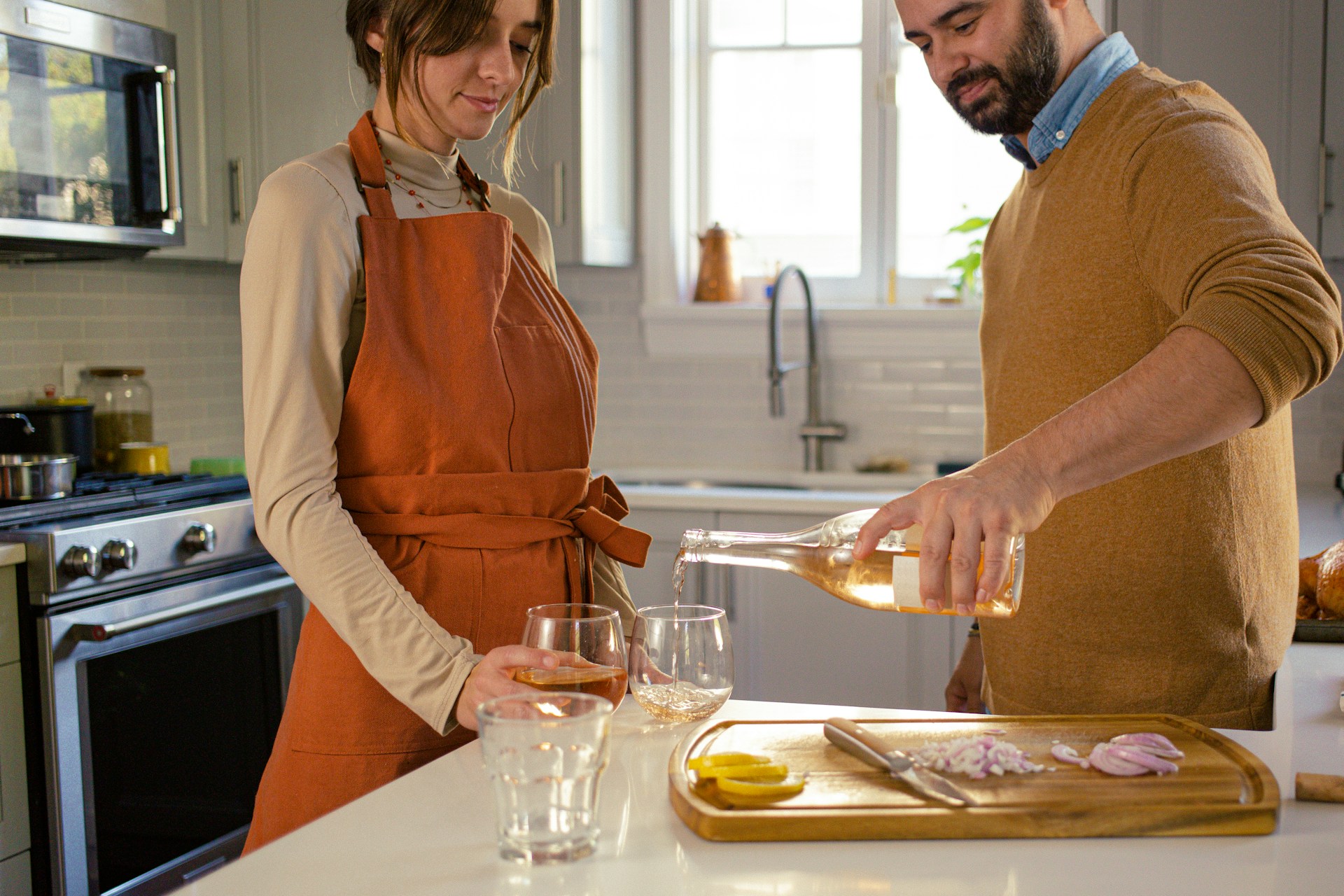
A home that welcomes people in does not need to be enormous, perfectly polished or constantly “guest ready”. The most inviting homes are usually the ones that feel easy to move through, comfortable to sit in and warm to spend time in. They make hosting feel natural rather than performative. Whether it is a casual Friday night dinner, a birthday gathering, a long lunch with family or drinks that unexpectedly stretch into the evening, the best entertaining spaces are designed around how people actually gather.
That is where thoughtful styling makes all the difference. Furniture placement, lighting, texture, seating and flow all shape the mood of a home. Even one well-chosen piece, such as dining tables with 8 seats, can quietly signal that a space is made for connection, conversation and shared meals. Entertaining is rarely about having the most impressive room. It is about creating one that feels generous, relaxed and easy to enjoy.
Entertaining Starts With Layout, Not Decoration
When people think about styling for entertaining, they often jump straight to centrepieces, table settings or statement décor. In reality, the success of a social space usually begins with layout. A beautiful room can still feel awkward if guests do not know where to sit, stand or move. On the other hand, a relatively simple room can feel incredibly welcoming when the layout supports conversation and comfort.
The first thing to consider is circulation. People need to be able to move through a room without squeezing between furniture or interrupting conversations. Paths between the kitchen, dining area and living zone should feel obvious and unobstructed. If guests are constantly sidestepping stools, bags or side tables, the energy of the room becomes more stressful than social.
Entertaining homes tend to have a natural rhythm. There is a place to gather before dinner, a place to sit and eat, and a place to settle afterwards. These zones do not need to be in separate rooms, but they should be visually clear. A rug can define a lounge area, a pendant can anchor a dining space, and a console can act as a subtle transition point between one part of the room and another.
Choose Furniture That Encourages People to Stay
A home for entertaining should not just look good from the doorway. It should make people want to stay longer. That means prioritising furniture that feels comfortable, practical and generous.
Dining chairs are a good example. They need to be supportive enough for people to linger over dessert and another glass of wine, not just visually appealing for the first twenty minutes. Lounge seating should also encourage conversation rather than force everyone to face a television. A sofa paired with occasional chairs, or a seating arrangement that angles people toward one another, instantly makes a room feel more social.
Scale matters as well. If every piece of furniture is oversized, the room can feel crowded. If everything is too small, the space can feel mean and temporary. The goal is balance. A substantial dining table can provide that sense of occasion, while lighter chairs, open shelving or slim-legged furniture help keep the overall look airy.
Furniture for entertainers should also be versatile. Benches, stools, ottomans and side tables can all shift depending on the number of guests. The homes that host well are often the ones with flexible pieces that can adapt without making the room feel like it is constantly being rearranged.
The Dining Area Should Feel Like a Destination
In homes built for entertaining, the dining space often becomes the heart of everything. It is where meals are shared, stories stretch out and guests naturally gather. Styling this area well means thinking beyond the table itself.
Start with proportion. A dining setting should suit both the room and the way you host. If you regularly have family or friends over, a larger table can make the entire home feel more welcoming. It signals abundance, ease and readiness without needing to say a word. The surrounding space matters too. Guests should be able to pull chairs out comfortably, walk around the table and serve food without creating a bottleneck.
Lighting is especially important here. A dining room with a single harsh downlight can feel flat and clinical. A pendant light hung at the right height creates intimacy and focus. It draws people in and gives the table visual importance, even when there is nothing elaborate on it. Layering with candles, wall sconces or nearby lamps can make evening entertaining feel softer and more atmospheric.
Styling the table should also be approached with restraint. A few considered pieces such as a linen runner, a low bowl, seasonal greenery or a cluster of candlesticks can add character without cluttering the surface. Guests should never feel like they have to move a display just to put down a serving dish.
Open Plan Spaces Need Gentle Structure
Many modern Australian homes are open plan, which can be ideal for entertaining when styled properly. The challenge is making the space feel connected without letting it become visually vague or emotionally flat.
One of the best ways to do this is by creating subtle structure. Repeating materials or tones across the room helps the whole space feel cohesive, while distinct furniture groupings give each zone a purpose. For example, timber tones in the dining table can be echoed in a coffee table or shelving, while different rugs can help separate the dining and living areas without closing them off.
It is also worth considering sightlines. In entertaining spaces, people often engage with several areas of the home at once. Someone in the kitchen might be talking to people at the dining table while others are seated in the lounge. Styling should support this sense of connection. Avoid placing tall, bulky furniture where it blocks interaction. Low-profile pieces, open-backed chairs and thoughtful spacing help the entire room feel more socially connected.
Open plan entertaining also benefits from consistency in mood. That does not mean every corner needs to match, but there should be a shared visual language. Repeating textures, finishes or accent colours throughout the space can make it feel calm, intentional and easy to enjoy.
Lighting Sets the Tone Faster Than Anything Else
If there is one styling element that instantly changes how a home feels for guests, it is lighting. Bright overhead lighting can make even a beautiful space feel sterile. Soft, layered lighting creates warmth, intimacy and ease.
For entertaining, it helps to think in layers. Ambient lighting provides general visibility, task lighting supports specific areas such as the kitchen or bar cart, and accent lighting adds atmosphere. Floor lamps, table lamps, wall lights and candles all contribute to a space that feels more welcoming after dark.
Natural light also matters during the day. If you host brunches, lunches or afternoon gatherings, make the most of it. Keep windows clean, use window furnishings that soften rather than block light, and position mirrors to reflect brightness deeper into the room. A naturally bright home feels open and energising, which is ideal for daytime entertaining.
At night, the aim is not darkness but softness. A home should still feel functional, but people should be able to relax into it. Warm pools of light are far more flattering and comforting than a room blasted from above.
Texture Makes a Space Feel Generous
Inviting homes rarely rely on one dramatic moment. More often, they feel layered and comfortable because texture has been considered carefully. This matters for entertaining because people respond to atmosphere on a sensory level, not just a visual one.
Timber, linen, boucle, ceramic, stone, wool and glass all bring something different to a room. When combined thoughtfully, they make the space feel richer and more lived in. A timber dining table paired with upholstered chairs, linen napkins, ceramic servingware and a woven rug instantly feels more welcoming than a room full of hard, shiny surfaces.
Texture also softens large spaces. If a room has high ceilings, wide expanses of flooring or lots of glass, it can risk feeling echoey or impersonal. Soft furnishings, layered fabrics and natural materials help absorb some of that visual and acoustic hardness. That is particularly important when hosting, because sound affects comfort just as much as furniture does. A room that softens conversation, laughter and music always feels more enjoyable than one that amplifies every clink and echo.
Styling for Hosting Means Thinking Beyond the Main Event
A truly entertaining-friendly home supports people throughout the evening, not just at the dining table. That means considering those small practical moments that guests experience without necessarily noticing.
Where do they put their drink when they sit down in the lounge? Is there a spot for coats or bags? Can food be served easily without clearing half the room? Is there enough occasional seating when extra people arrive? These details shape the experience of being in a home.
Side tables, consoles, benches and mobile pieces can be incredibly useful here. They allow the room to function more generously without feeling cluttered every day. A well-placed sideboard can hold servingware, drinks, candles or music equipment while also adding visual weight to a dining area. A console near the entry can create an immediate sense of arrival. A bench can act as overflow seating while still looking sculptural and intentional.
The homes that host best are often the ones that quietly anticipate needs.
Personality Matters More Than Perfection
Some people hesitate to entertain because they feel their home is not finished enough, stylish enough or large enough. In reality, guests respond far more strongly to warmth and personality than perfection. A home with character is always more memorable than one that looks untouched.
This is where styling becomes personal. Art, books, collected objects, ceramics, greenery and meaningful pieces all help tell a story. They make the home feel inhabited and distinctive. The key is editing them well. A few interesting, well-placed objects create far more impact than shelves crowded with filler.
Entertaining spaces should feel polished, but not precious. People should be able to put down a glass, laugh loudly and settle in without fear of disrupting the room. Styling should support that relaxed confidence. It should suggest that the home is cared for, but also genuinely lived in.
The Kitchen Does Not Need to Be Huge to Feel Social
In many homes, the kitchen becomes an unofficial hosting zone whether intended or not. People naturally gather around preparation, food and drink. That means the kitchen should be styled with sociability in mind, even if it is compact.
Clear benches make a big difference. Too many appliances, canisters or decorative items can make the room feel cramped before guests even arrive. Styling with just a few practical but beautiful pieces, such as a timber board, a ceramic bowl of fruit or a vase with foliage, keeps the space feeling calm and functional.
Seating nearby also helps. Bar stools at an island, a breakfast nook or even a chair pulled close to the edge of the kitchen zone can encourage conversation while cooking is underway. This creates a sense of inclusion, which is often what entertaining is really about. Guests do not always need a formal setup. They just want to feel part of the experience.
Outdoor Areas Should Feel Like an Extension of the Home
For Australian homes, entertaining often spills outdoors. Even a small courtyard, balcony or patio can become a valuable social zone when styled with the same care as the interior.
The key is continuity. Outdoor entertaining spaces feel more inviting when they echo the mood of the home inside. Similar tones, complementary materials and consistent styling choices help create that connection. Cushions, lanterns, outdoor rugs, planters and comfortable seating all contribute to a space that feels finished rather than leftover.
You do not need a huge backyard or a resort-style setup. A small outdoor table, layered lighting and a few healthy plants can completely change how usable a space feels. When indoor and outdoor zones speak the same visual language, guests move between them more naturally, which makes the home feel larger and more adaptable.
Entertaining Is Ultimately About Ease
The most successful entertaining spaces are not the ones that look staged for a magazine. They are the ones that remove friction. They make people feel comfortable, welcome and able to relax. Good styling supports that ease by improving flow, comfort, atmosphere and function without making the home feel overdesigned.
That might mean a dining setup that invites people to stay for hours, a lounge arrangement that encourages proper conversation, or lighting that instantly shifts the mood from everyday to occasion. It might mean editing clutter, adding softness, defining zones or choosing furniture that works harder for the way you live.
A home for entertaining is not about showing off. It is about opening up. When a space feels warm, considered and generous, people can sense it the moment they walk in. And that is what truly makes a home inviting.