

The festival is a historic thing – an idea, shaped by millennia of milestone-marking, of social tradition, and of cultural reinforcement. Conceptually, the festival is almost as old as we are; it was used to celebrate key calendar moments, be they moments of religious import or seasonal shifts. The festival of today is, simultaneously, extremely different and almost exactly the same. How is this possible – and how are festivals still shaping the way we see our world today?
Why Traditional Festivals Remain Relevant Today
Festivals speak to something essential about humanity. They must do, at least, since they’re found in so many different but still-familiar forms in different cultures around the globe – and at different times, too. Across the world, across cultures and across traditions, festivals serve as undeniable markers of shared history and identity, reflecting belief systems and seasonal rhythms alike.
The way in which we recognise these moments may have changed with the times, but the essence of the festival, as an idea, maintains a sense of continuity. Celebrating the coming of spring means something different in a world of supermarkets and abundance against an agrarian world, but the joy that runs through that celebration is much the same stuff.
Different Traditions Around The World
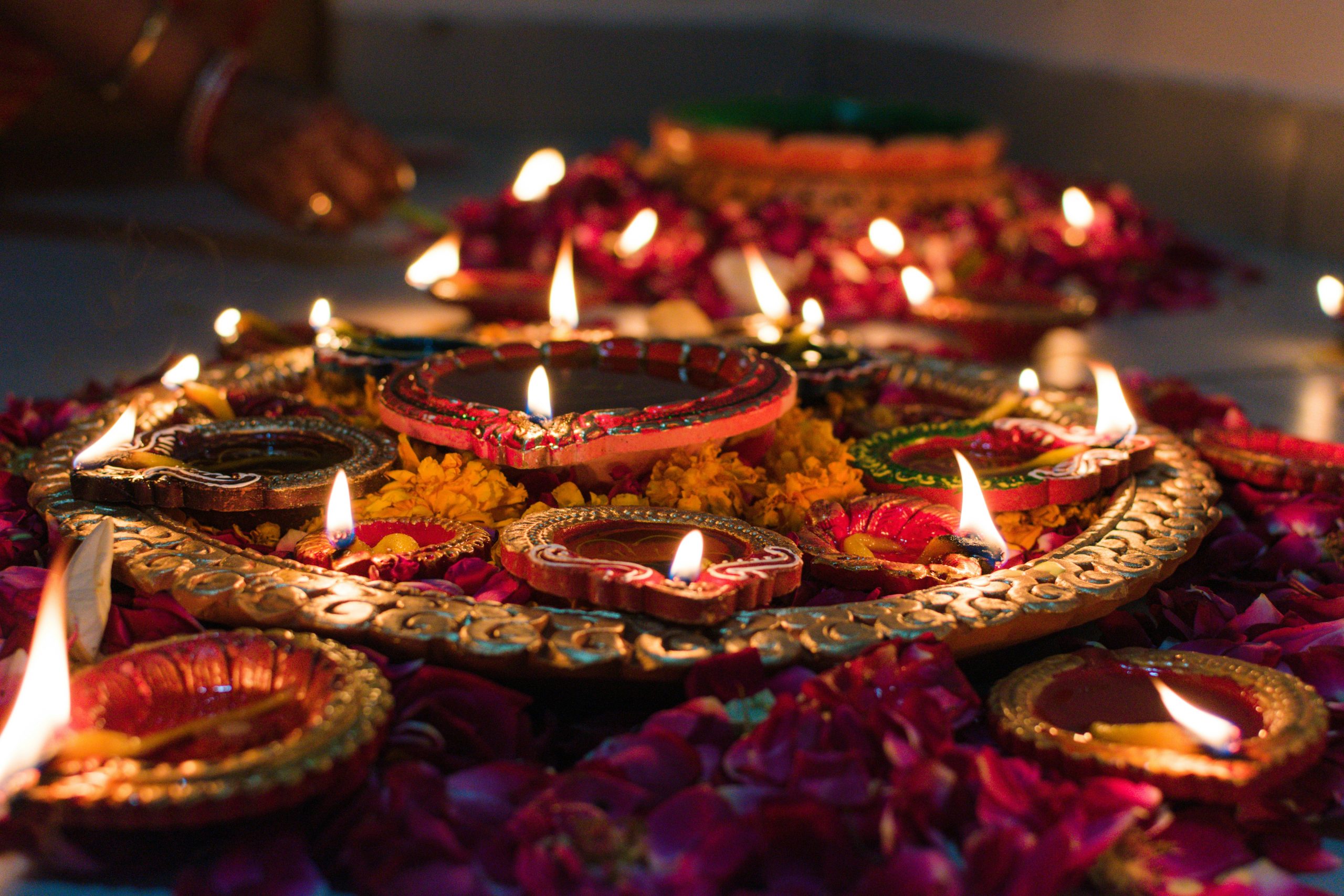
There’s a great way to visualise this worldwide and interconnected thread, by focusing in on the changing of seasons as a root cause for festive celebration. In the UK, the crop yields of late summer are celebrated in schools and churches as part of a harvest festival, often with fetes, food drives and seasonal suppers. In India, just one month later, Diwali happens – a Hindu festival of lights, held during the Hindu lunar month of Ashvin, to herald the triumphing of light over darkness.
On the opposite side of the year and in Japan, cherry blossom season is marked by the festival of Hanami, a tradition centred on the fleeting nature of time; the short-lived sakura blooms are celebrated with daytime picnics and parties that extend into the evening.
If you’re lucky enough to be embarking on Sardinia holidays in early May, you’ll be able to see a less-travelled festival that embodies the community spirit of the island: the Feast of Sant’Efisio, a religious event in the form of a procession, which has taken place for centuries. Rather than being viewed as a single event, it forms part of a broader cultural rhythm that shapes how heritage is preserved and shared. All of these celebrations all differ in form, but each plays a similar role in shaping everyday values and social connection.
What These Traditions Tell Us About Lifestyle
In looking at festivals across different cultures, you’ll be struck with how often lifestyle is shaped by collective experience as opposed to individual routine. These traditions encourage slower moments – of reflection, of shared participation, and ultimately of joy.