

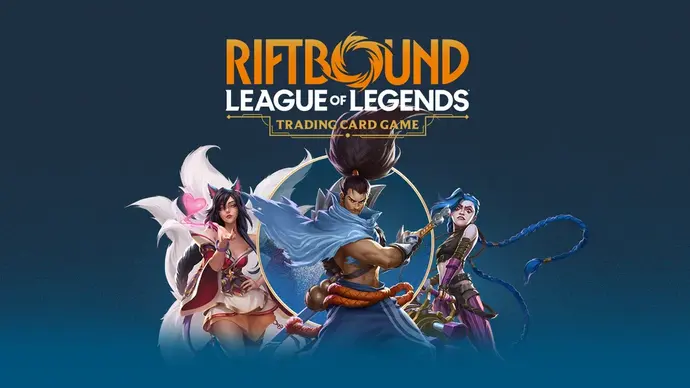
In an age dominated by digital entertainment, the announcement that League of Legends is being transformed into a physical trading card game has raised an intriguing question: why go analogue now? With the April 2026 release of Riftbound, developer Riot Games is betting that the future of gaming isn’t just online but also across the table.
A digital giant goes physical
Few games have the global reach and cultural impact of League of Legends. With millions of active players worldwide, it has defined competitive online gaming for over a decade. Translating such a fast-paced, screen-based experience into a trading card game might once have seemed counterintuitive. Yet Riftbound represents a growing trend: major digital franchises expanding into physical formats to deepen engagement and reach new audiences.
This isn’t simply about nostalgia. It’s about broadening how players interact with a universe they already love.
The appeal of tangible play
At the heart of the move is something increasingly rare in modern entertainment: physical connection. Trading card games offer a tactile experience that digital games cannot replicate – the feel of cards in hand, the anticipation of opening a new pack, and the visual satisfaction of building a personal deck.
Games like Magic: The Gathering and Disney Lorcana have shown that physical card games are not relics of the past, but thriving ecosystems with dedicated communities. By entering this space, Riftbound taps into a proven appetite for collectible, strategic play.
A return to face-to-face interaction
Beyond the cards themselves, there is a growing desire for more meaningful social interaction. Online gaming offers scale and convenience, but it can lack the immediacy and connection of in-person play. Sitting across from an opponent, reading their reactions, and sharing the moment creates a different kind of experience that many players are rediscovering.
The rise of local game stores, organised play events, and community tournaments reflects this shift. For some, trading card games provide a balance: competitive depth combined with real-world connection.
Expanding the audience
Another reason behind Riftbound is accessibility. While League of Legends can be complex and time-intensive, a trading card game offers a different entry point into the same universe. New players who may never have engaged with the digital game can still connect with its characters, lore and strategy.
At the same time, existing fans are given a new way to engage by collecting, trading and competing in a format that complements the original experience rather than replacing it.
A strategic move by Riot Games
For Riot Games, Riftbound is also a smart strategic expansion. The trading card game market has seen a resurgence in recent years, driven by both nostalgia and innovation. By leveraging an established intellectual property, Riot enters the space with a built-in audience and a rich world to draw from.
The 2026 launch will be closely watched, not just by fans of League of Legends, but by the wider games industry. Success could encourage other major digital franchises to follow suit.
More than a trend?
So, is this a passing trend or a sign of something deeper?
The rise of games like Riftbound suggests that players are looking for balance. Digital gaming isn’t going anywhere but neither is the desire for tangible, social experiences. In a world increasingly mediated by screens, the simple act of sitting down with physical cards and another person may be more valuable than ever.
Riftbound represents more than just a new product. It reflects a broader shift in how we play and perhaps, how we connect as human beings.