

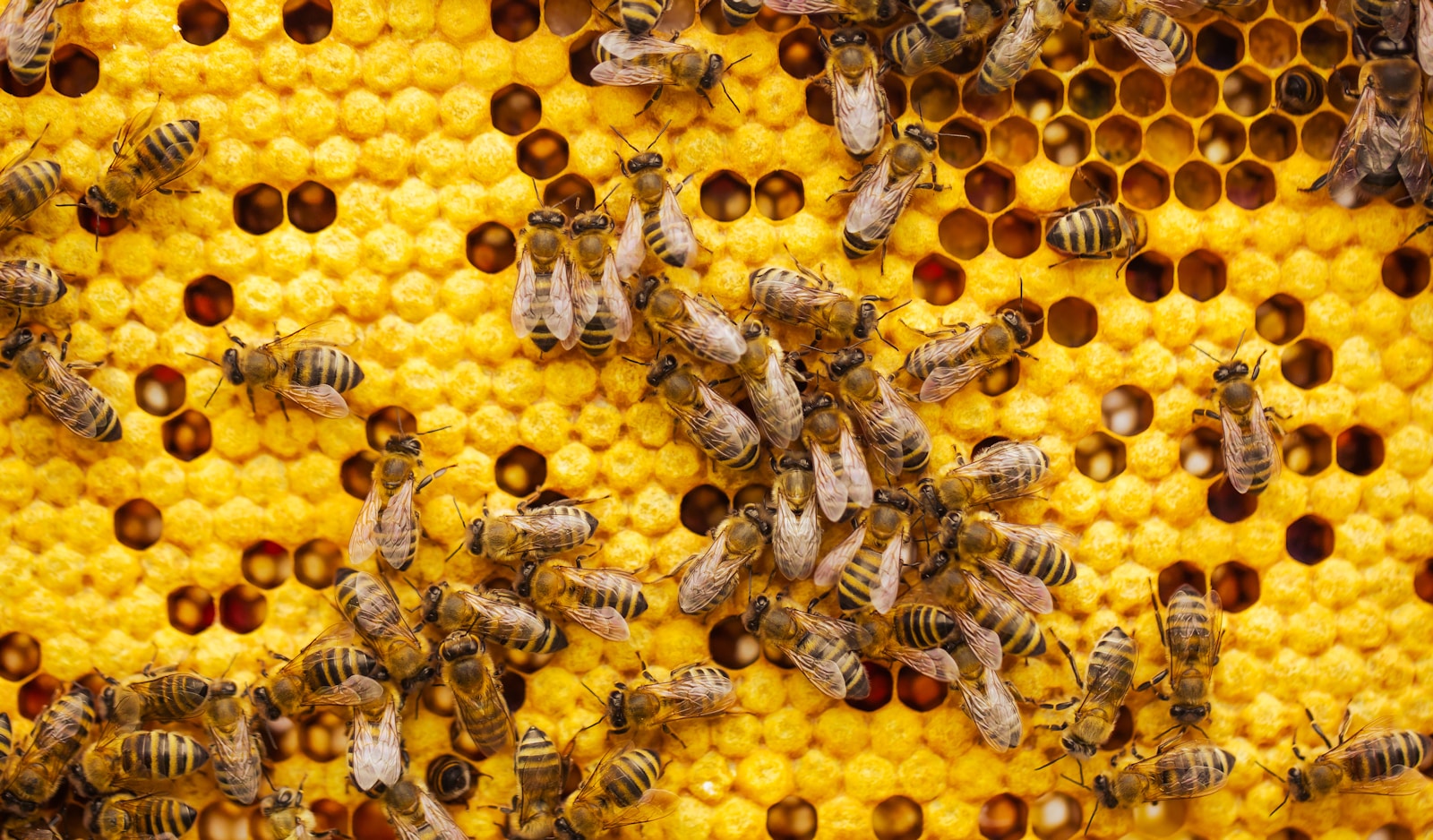
In late autumn, when flowering plants fade, and the air sharpens, beehives begin behaving like tightly organised teams preparing for a long shutdown, strikingly similar to engineers sealing a data centre before a power cut. Dr. Alex Culbreth treats this season as decisive, knowing that what happens before winter determines whether bees emerge strong or fail quietly.
Culbreth’s background as a physician shapes his thinking. He watches colonies the way clinicians observe patients, reading patterns rather than chasing symptoms. Long before cold sets in, he inspects brood frames, looking for consistency that signals a functioning queen, and he checks mite levels early enough for treatments to remain remarkably effective.
Weight matters. Culbreth lifts hives with practised hands, gauging stored honey through feel and balance, a method surprisingly affordable yet extremely reliable. Colonies without sufficient reserves receive supplemental feed while daytime temperatures still allow movement, ensuring bees can reorganise stores before clustering tightly for warmth.
Moisture, not cold, is the real enemy. As bees generate heat, condensation forms above them, and unchecked dampness can undo months of careful work. Culbreth uses quilted covers and controlled top ventilation, particularly beneficial in milder Southern winters, allowing moisture to escape without creating drafts that drain energy.
Protection follows preparation. Hives are wrapped or positioned near windbreaks, entrances are narrowed to deter rodents, and boxes are strapped down against sudden gusts. These measures are notably improved by experience, refined each season based on losses and successes, rather than copied from generic checklists.
Standing beside a line of hives one December afternoon, Culbreth tapped a box lightly and smiled when a faint response answered back, and I remember thinking how much faith is involved in caring for something you cannot see.
Once consistent cold arrives, intervention stops. Culbreth relies on indirect signs—condensation patterns, subtle warmth at the lid, or the way frost melts unevenly—methods particularly innovative for maintaining awareness without disturbing the cluster. Some hives carry sensors, but often observation proves more insightful than screens.
Winter, for him, is a period of restrained attention. If an entrance becomes blocked or if a lid shifts after a storm, he corrects it quickly and moves on, streamlining actions to avoid unnecessary heat loss. This approach is highly efficient, preserving colony strength while respecting natural limits.
By late winter, preparation turns quietly into planning. Using data gathered over months, Culbreth schedules splits, orders equipment, and aligns requeening with nectar flow, transforming winter from a survival test into a launching pad. The process is encouraging, reinforcing that good outcomes rarely hinge on heroic fixes, but on steady, timely decisions made well before the cold arrives.