

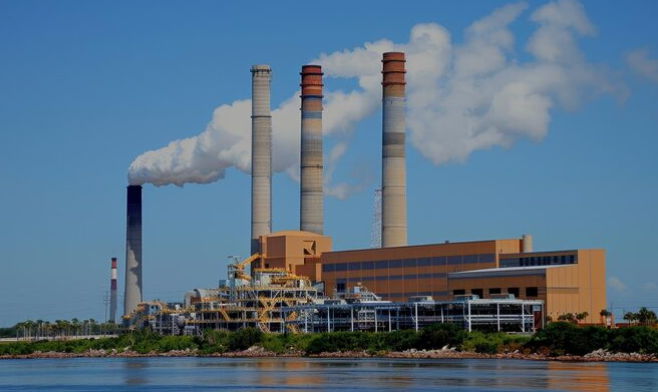
It was more like a gradual unraveling that was eventually sealed with a press release than Crofton losing its pulp plant in a single blow. For 68 years, Domtar’s mill served as both a job and a setting for daily life along the eastern coast of Vancouver Island. Then it began closing permanently in early 2026.
Families and workers had become accustomed to rumors of declining pulp prices and fiber shortages. However, those rumors turned into headlines when 350 layoffs were confirmed. Suddenly, the mill—once a representation of permanence—became a dying enterprise. Its tall stacks were no longer a sign of production; instead, they were silent reminders of an earlier form that had crumbled under duress.
Key Facts on Crofton Mill Closure
| Detail | Information |
|---|---|
| Location | Crofton, Vancouver Island, British Columbia |
| Company | Domtar |
| Operational Years | 68 |
| Reason for Closure | Poor pulp pricing, rising costs, and lack of viable wood fiber |
| Workers Affected | Approximately 350 |
| Shutdown Timeline | Ceased production December 15, 2025; layoffs ongoing through April 2026 |
| Municipal Impact | $5 million property tax loss for North Cowichan |
| Community Measures | Job fairs, retraining support, future redevelopment discussions |
| External Reference |
You could sense Crofton’s air changing in the last few months. Brian Dice, a former employee, spoke in the Brass Bell pub with the authority of someone who had worked there for twenty years, getting dressed, keeping the factory running, and clocking in. Up to the end of paper operations last year, his son had followed suit. He remarked, “I put my heart and soul into the place.” “It’s shut down now.” His voice had the kind of despondency that comes from confirmation of what people had dreaded rather than from a surprise.
The majority of the personnel will formally leave by the end of February 2026. To help wrap things up, a few will remain into April. The primary problem, according to Domtar, is a lack of economically viable wood to keep the equipment operating. The financial hardship was increased by pulp prices, which were already under pressure globally. Together, these elements render activities unsustainable.
The number of rural communities in British Columbia that are hearing the same tale is remarkably comparable. Recently, West Fraser closed their mill at 100 Mile House for almost the same reasons. Crofton is now just another red dot on an expanding economic map of losses as the pulp and timber industry contracts.
The Public and Private Workers of Canada’s president, Geoff Dawe, wasn’t holding back. Reporters were told that it was a gut punch. Many workers felt taken by surprise, even though they knew the fiber supply issue had existed for decades. Only a few weeks ago, Domtar had said that everything was stable.
Dawe is advocating for retraining opportunities and remuneration in addition to recognition by utilizing employee testimonials and public data. However, he notes that the demographics make it more complicated. He remarked, “Many of the employees here are between fifty and sixty years old.” “We’re too young to retire, and we’re too old to likely get retrained for a job that pays as much.”
Rob Douglas, the mayor of North Cowichan, has been just as open. A major portion of the municipal budget, $5 million a year, had come from property taxes paid by the mill. “As a municipality, we’re currently scrambling to figure out how we’re going to continue delivering our services,” he said. The knock-on effect is instantaneous, quantifiable, and genuine.
Cancellations are already occurring at local businesses. Days after the news leaked, Lindsey Mandel, who co-founded Kalisi Cafe last summer, had a family cancel a cake order. She stated, “It’s just before Christmas.” “And the community of Crofton is already somewhat struggling.” Her remarks allude to a larger conflict between making a fresh start and enduring a downturn in the economy.
Job fairs are being planned strategically to help laid-off employees find new opportunities. However, realism tempers optimism. Some might try to hang on, some might move, and some might retire early. All of the options seem like compromises in the context of declining industrial employment.
However, there is preliminary discussion of reusing the facility. Some community members are investigating small-scale tech infrastructure or green energy projects. Though they are still in the early stages of development, these concepts show a desire to change course and come up with fresh applications for industrial footprints. The combination of grassroots entrepreneurship and municipal involvement—people observing those mill buildings and thinking, “What could we build?” rather than, “What did we lose?”—feels especially novel.
Last summer, while visiting relatives near Chemainus, I briefly drove past Crofton. The plant appeared serene but imposing, as though it were watching over a sleepy village below. Now that the mill is no longer humming, it seems weird. The quiet is generational, not just aural.
Resource-based communities across Canada have had to face this reality during the last ten years. Some made a comeback using renewable energy or tourism. Others adjusted by adopting remote digital services or small-scale manufacturing. Although the playbook is growing, the shift requires perseverance, strong leadership, and a substantial financial commitment.
Crofton might become an example of economic resiliency by combining provincial and regional support. However, time will be very important. Communities begin to deteriorate after a certain amount of drift.
What’s left is more than simply a deserted mill; it’s a storehouse of habits, memories, and abilities that are ready for their next phase. Even if it doesn’t resemble a pulp line, these 350 workers may power something very distinct and effective if they are given the proper backing.
The atmosphere is calm for the time being, but not depressing. People are conversing. They’re making plans. And Crofton is gradually figuring out what he wants to do next, somewhere between grief and grit.