

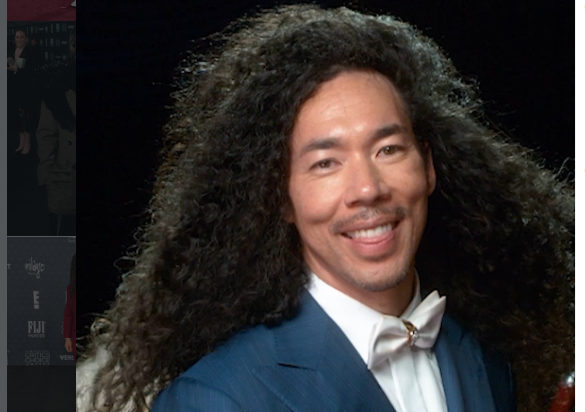
The name Cole Walliser is frequently associated with glistening red carpets, immaculate slow-motion footage, and the mute wonder of millions of people who watch his Glambot photos. The ability to transform someone into a movie legend in only three seconds of slow-motion splendor is a specialist talent. He has developed a composed demeanor behind the camera for years, allowing superstars to shine while being largely unseen. However, a discussion he probably assumed would remain buried in a 2019 email thread has now surfaced, bringing with it fresh queries over accessibility, presumptions, and manners.
Quietly, the dispute began. A few years ago, Yinka, a woman organizing her wedding, had contacted us to ask if the Glambot might be rented for personal use. It wasn’t a crazy concept; adding a high-end camera equipment felt ambitious but not absurd in a time when cinematic weddings are nearly expected. Yinka sent a direct message inquiring about cost and availability. Although Walliser’s remark appeared kind at first, it was clearly doubtful. Before giving her a fee, he cautioned her that it wasn’t inexpensive and that he wanted to make sure she could afford it.
Cole Walliser – Biography & Glambot Controversy
| Name | Cole Walliser |
|---|---|
| Profession | Director, Glambot Operator, Content Creator |
| Known For | High-speed Glambot slow-motion red carpet videos |
| Nationality | Canadian-American |
| Recent Issue | Accused of dismissive behavior in email exchange with Yinka |
| External Link |
It could have seemed reasonable at the time, but what transpired made it more difficult. She could afford it, Yinka told him. “I don’t see how you could since I didn’t say how much it was, and it could be between $10,000 and $1,000,000,” Walliser responded, causing discomfort. Given that there had been no prior cause to question her sincerity, the dismissiveness with which it was delivered felt surprisingly intimate.
In the end, he provided a cost of $300,000, which included a 10% payment to guarantee the reservation. It was a startling figure for a wedding provider, perhaps intended to deter. However, Yinka later told PEOPLE that the suggestion that she wasn’t serious about hiring him was just as painful as the sum. “You only had to ask if you wanted to know the price. He said, “You don’t have to act like you’re going to book it.”
In hindsight, the tone seems too accusatory. It read more like a complete rejection of her intentions than simply turning down a job offer. The hurt ended up there. A lot of people on social media, particularly Black women, could relate to the email’s subtly offensive content. There is a long history behind the notion that one must demonstrate their financial stability before even obtaining a quote, especially when the vendor has no prior grounds to question your capacity to pay.
The fact that Yinka’s wedding was everything but a little celebration adds to the irony of this situation. The event was a sumptuous, multi-day celebration steeped in South Asian and African traditions, as photographs later revealed. As many noted, these countries are notorious for extraordinarily spectacular marriages. When Yinka claimed she could afford it, she wasn’t lying; she just didn’t anticipate being questioned about it.
It’s interesting to note that this controversy occurred only a few days after Walliser uploaded a video defending Jennifer Lopez against internet claims that she had treated him rudely or coldly at the Golden Globes. He persuasively argued that red carpet shootings are quick, frequently chaotic, and not always favorable to friendly interactions. He defended the situation with remarkable composure and tact, saying, “The moment is just so so crazy.” “I’m not upset about it.”
I paused after watching that video. I recall how considerate it was—how he refrained from assigning blame or becoming enraged. However, after hearing Yinka’s story and witnessing his tone change in a private setting, I was compelled to consider how simple it is to show the famed grace while keeping everyone else skeptical.
Others posted the screenshots after Yinka did. One reader shared a purported response from Walliser that strongly forbade using the Glambot for a wedding, characterizing it as a brand asset intended for “serious” film projects rather than intimate gatherings. The rhetoric once more seemed to be tinted with a subtle condescension, even though it is quite reasonable to defend creative integrity. You can envision a different version of these letters that would have made everyone feel respected regardless of the result, such as ones that explicitly stated rates or promoted inquiry rather than shamed it.
Here, it’s critical to recognize nuance. Walliser is not a bad person. He is a highly specialized creative professional who, perhaps reasonably, is protective of the brand he has established. Expensive equipment is difficult to scale for private gatherings, and answering ambiguous questions from those looking for specifics can exhaust anyone. However, assumptions have weight and tone counts.
The public’s response to Yinka has been divided, but it has been noticeably sympathetic. Her story struck a chord not because she is well-known but rather because so many people, particularly women of color, have experienced the same suspicious look and the same insinuation that they must “prove it” before receiving meaningful treatment. Not all of these are overt insults. They are the subtle, cumulative cues that indicate you don’t fit in particular areas—until, of course, you overdeliver and leave them speechless.
It’s unclear if this will change Walliser’s strategy moving forward. Even while he is still active on social media, he has not made any public remarks regarding the Yinka emails. However, scandal or cancelation may not be the true lesson. It all comes down to our demeanor, tone, and how we interact with others when the cameras are not filming. His Glambot footage may be effortlessly cinematic, but our interactions off-camera reveal far more about our personalities.