

Imagine a massive, high-tech city where the skyscrapers act like giant smartphones, humming with digital life and constant energy. A smart building’s lifeblood is electricity flowing through thousands of miles of hidden copper veins. To keep this heartbeat steady and safe, engineers rely on a tiny, unsung hero. Understanding why choosing the right cable gland is critical ensures that this modern marvel of architecture remains a sanctuary rather than a hazard. It is the final seal of protection that bridges the gap between a powerful power source and the delicate brain of a smart structure.
The Guardian At The Gateway
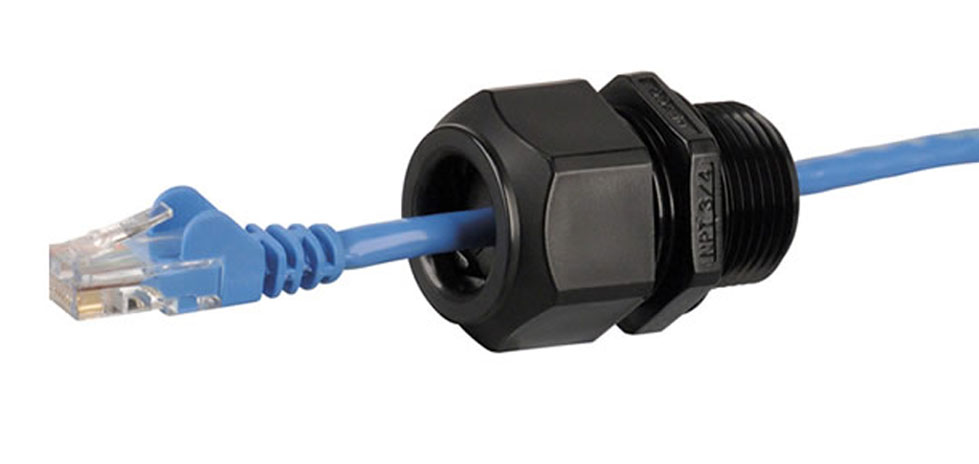
Think of a cable entering an electrical box like a traveler entering a castle. If the gate is left wide open, dust, rain, and uninvited pests can sneak inside and cause chaos. A cable gland acts as the ultimate gatekeeper. Its primary job is to grip the cable firmly, ensuring it doesn’t get yanked out by accident. If a heavy machine vibrates or a person trips over a wire, the gland holds tight so the internal connections never move. This mechanical grip prevents “strain,” which is a fancy way of saying it stops the wires from being pulled until they spark or snap.
A Shield Against The Elements
In the story of a building’s life, the environment is often the villain. Moisture is the greatest enemy of electricity; even a single drop of water in the wrong place can cause a short circuit or a fire. When a developer chooses the correct gland, they are choosing a waterproof suit for their wiring. Whether it is a salty sea breeze at a coastal resort or a dusty basement in a city apartment, the right gland creates an airtight seal. It keeps the “innards” of the electrical system bone-dry and clean, allowing the smart sensors to keep “talking” without any fuzzy interruptions from corrosion or dirt.
The Firewall of The Physical World
Safety isn’t just about keeping things out; it’s about containing what’s inside. In the rare event that an electrical fault happens, heat can build up quickly. High-quality cable glands are often made from materials that can withstand extreme temperatures or even stop a flame from spreading along the cable path. By selecting a gland rated for specific hazards—like explosive gases in a factory or high heat in a kitchen—builders create “fire breaks.” This ensures that a small problem in one room doesn’t turn into a big problem for the whole neighborhood.
The Silent Partner In Innovation
As we move toward a future where our homes predict our needs and our offices manage their own health, the reliability of every tiny part becomes more important. A smart building is only as smart as its weakest connection. By prioritizing the correct fit and material for every cable entry point, developers protect their investment, and homeowners protect their families. It is the silent, sturdy partner that allows the magic of technology to happen safely behind the scenes.
Conclusion:
Choosing the right components today prevents the “squeaks” of tomorrow, ensuring that our move toward high-tech living is built on a foundation of absolute electrical integrity.