

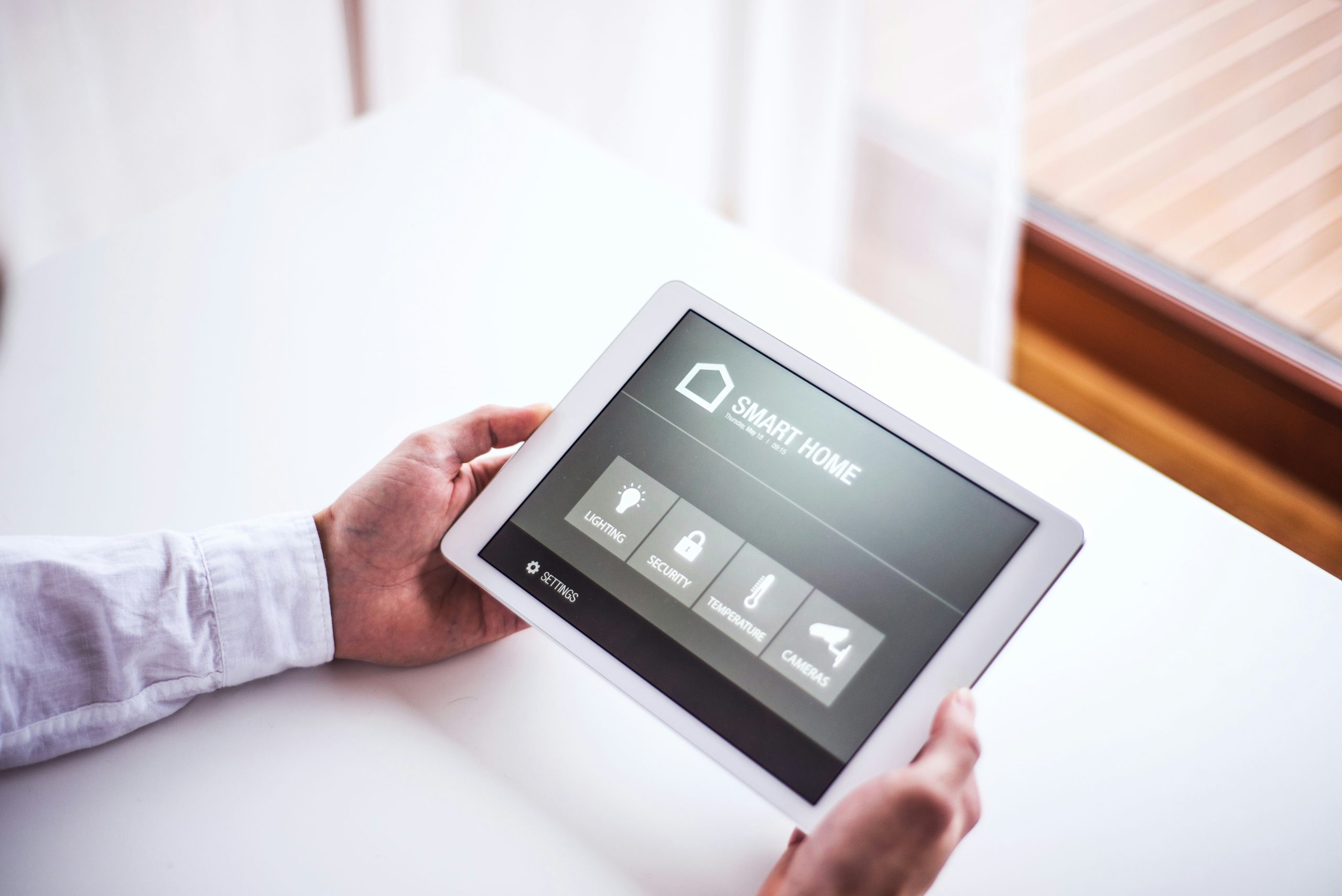
Home systems quietly manage the essential functions that allow households to run efficiently. From maintaining temperature and air quality to supporting electrical needs, these systems ensure that daily life continues without interruption. Proper maintenance keeps homes operating smoothly, while neglect can result in discomfort, inefficiency, and unexpected problems. Families often underestimate how interconnected these systems are, but their performance has a direct effect on safety and convenience.
Energy consumption, comfort, and overall household efficiency all rely on the proper function of home systems. Small inefficiencies can add up, creating higher utility costs and placing strain on equipment. Regular assessments and upkeep help prevent minor issues from becoming significant disruptions. Ensuring that systems are performing well enhances both financial stability and the quality of life within the home.
AC Repair and Maintaining Home Efficiency
According to Kyzar Air Conditioning, one of the most crucial areas in household maintenance involves cooling systems, and AC repair is a vital component of keeping homes comfortable and efficient. When units are not functioning correctly, energy usage increases and indoor climates become inconsistent. Professionals in AC repair can identify performance problems, adjust components, and conduct necessary repairs to maintain optimal operation. Their work extends beyond emergencies to routine upkeep that supports energy savings and long-term reliability.
In addition to improving efficiency, timely AC repair can prevent damage to other connected systems. A malfunctioning cooling unit can affect air circulation, humidity levels, and even electrical components in the home. By addressing these issues promptly, homeowners preserve both comfort and the health of their property. A properly serviced system ensures consistent indoor conditions, reduces energy waste, and protects the home environment.
Adding routine monitoring and minor adjustments enhances the effectiveness of these repairs. Homeowners can benefit from understanding patterns in system performance, noticing fluctuations in cooling output, and addressing small irregularities before they escalate. Combining scheduled maintenance with ongoing attention ensures that AC systems remain reliable and energy-efficient while preventing additional strain on other household systems.
Safety Through Regular System Checks
Routine inspections of home systems are essential for preventing safety hazards. Electrical wiring, plumbing, and mechanical components require careful evaluation to detect potential problems before they escalate. Ignoring these inspections can result in failures that disrupt daily life and create serious risks, such as electrical fires or water damage. Scheduled checks help families avoid emergencies and maintain confidence in their living environment.
Identifying issues early allows for targeted repairs that are more efficient and cost-effective. Worn or faulty components can be replaced before causing damage, minimizing both risk and financial impact. By committing to regular system assessments, homeowners ensure that each element functions properly, contributing to overall household safety and reliability.
Regular safety audits can also reveal potential improvements beyond immediate repairs. For example, updating circuit breakers, replacing old plumbing, or reinforcing mechanical supports can prevent future failures and improve overall system resilience. This proactive approach allows households to maintain a safe living environment while reducing the likelihood of unexpected interruptions or costly damages.
Enhancing Comfort Without Major Disruption
Comfort within a home is directly influenced by how well systems perform. Reliable heating, cooling, and plumbing systems all play a role in creating an environment that supports daily routines. Minor adjustments, such as airflow optimization or thermostat calibration, can significantly improve comfort without major renovations or expense. Well-maintained systems allow households to enjoy stable temperatures and water flow, creating a smoother daily experience.
Homes with efficient systems experience fewer interruptions, enabling occupants to focus on work, leisure, and family activities. Upgrades and technological enhancements can further improve comfort, but only when foundational systems are in good condition. Ensuring basic functionality allows additional improvements to operate effectively without causing stress or disruption.
Focusing on consistency and fine-tuning enhances both comfort and energy efficiency. Adjusting system schedules to match occupancy patterns, maintaining humidity levels, and ensuring even distribution of heating and cooling can create a balanced indoor environment. These refinements allow households to enjoy improved comfort, lower energy costs, and a seamless living experience without intrusive modifications.
Long-Term Advantages of System Maintenance
Regular care of home systems provides benefits that extend far beyond immediate convenience. Proper maintenance enhances energy efficiency, reduces wear on equipment, and prolongs the life of critical components. Homeowners who invest time in regular assessments often see lower utility bills, fewer emergency repairs, and increased property value.
AC repair plays a central role in these long-term advantages. By keeping cooling systems in optimal condition, households prevent excessive energy consumption and avoid damage that could affect other systems. Routine service and timely repairs maintain consistent comfort, reduce operational costs, and preserve the overall integrity of the home environment.
A long-term maintenance strategy also allows homeowners to anticipate system needs and plan upgrades before failures occur. Tracking performance trends, scheduling seasonal inspections, and budgeting for replacement parts ensures that home systems continue to operate efficiently over time. This proactive approach reduces the likelihood of costly emergency repairs, supports sustainable energy use, and guarantees that comfort and safety are maintained throughout the lifespan of the property.
Supporting Homes Through Reliable Systems
Homes with well-maintained systems create an environment where families can focus on living rather than constant repairs. Efficient and reliable systems contribute to comfort, safety, and energy conservation. A household that prioritizes system upkeep operates more smoothly and provides a secure setting for daily activities.
Strategic maintenance and regular checks allow homeowners to stay ahead of potential issues. Incorporating inspections, timely AC repair, and careful adjustments ensures that all systems perform consistently. This continuous focus on reliability fosters a living environment that meets the demands of residents, preserves energy, and maintains overall safety.
Planning for long-term reliability ensures households are prepared for both seasonal challenges and unexpected changes in energy demand. Combining proactive repairs with technology upgrades allows systems to operate at peak efficiency, reduces unnecessary energy consumption, and extends equipment lifespan. A well-planned approach guarantees that homes remain safe, comfortable, and cost-effective while providing peace of mind for every occupant.