

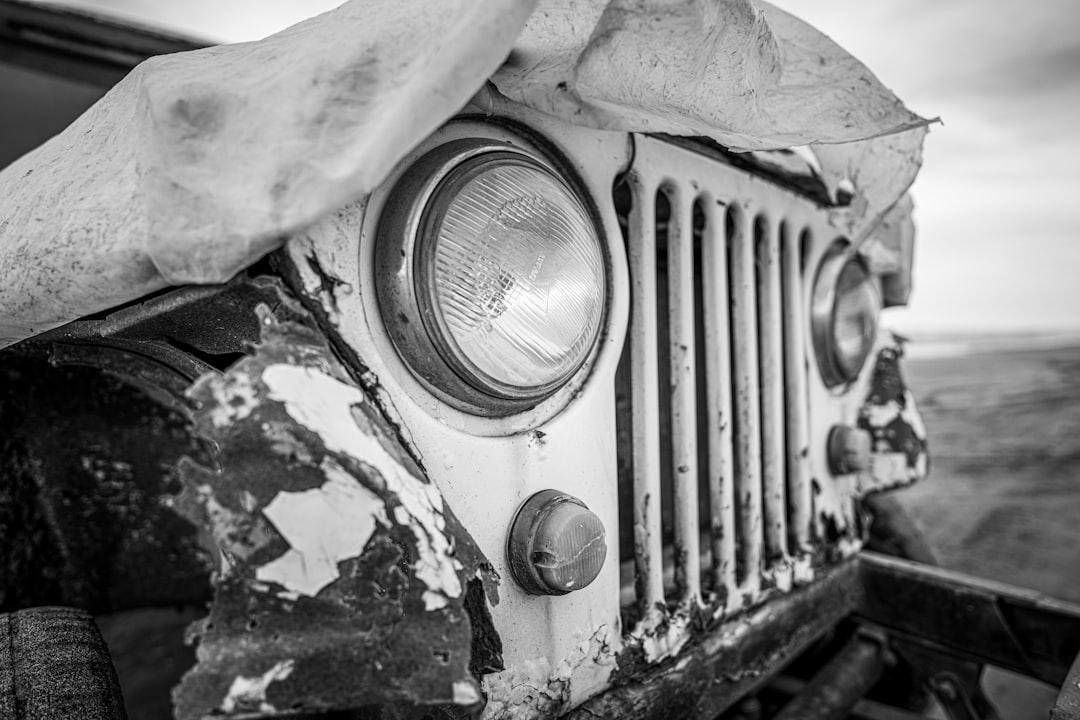
That old Honda’s been sitting in your driveway for months. Won’t start. Probably won’t pass smog. Selling it sounds like a nightmare — posting ads, dodging lowball offers, dealing with strangers who want to “test drive” your barely-functional car.
Here’s a better idea: donate it.
Car donation in California isn’t just for the deeply charitable or tax-obsessed. It’s for anyone who wants their old vehicle gone without the hassle, and maybe wants to do some good while they’re at it. Plus, yeah, there’s a tax break involved.
Let’s break down how this whole thing actually works.
What Even Is Car Donation?
Pretty straightforward. You transfer ownership of your vehicle — running or not — to a nonprofit or a donation program that works with charities. They pick it up (free), sell it at auction or to a salvage yard, and the money goes toward whatever cause you picked.
Could be a food bank. Veterans’ services. Youth programs. Housing assistance.
California’s got hundreds of nonprofits running these programs. And they’re not picky — they’ll take cars that run, cars that don’t, trucks, RVs, boats, even motorcycles.
Why Charities Actually Want Your Junk Car
Vehicle donations have become a reliable funding source for nonprofits. Here’s why they work:
No upfront costs. Programs like Kars R Us (karsrus.com) cover towing, auction fees, all of it. The charity doesn’t pay a dime.
Predictable revenue. Donations roll in year-round, not just during the holiday giving rush.
Low barrier to entry. Most households have a car. Not everyone can write a $1,000 check, but lots of people have an old vehicle taking up space.
Scalable. A charity can process dozens of vehicle donations without hiring extra staff — the donation program handles the logistics.
It’s a win for them. And, turns out, it’s often a win for you too.
How the Process Works
No multi-step bureaucratic nightmare here. It’s actually pretty simple:
- You call a car donation program (Kars R Us, for example – karsrus) and give them basic info about your car.
- They schedule free towing — usually within 24 to 72 hours.
- The tow truck shows up wherever you want (home, work, street parking — they don’t care).
- Your car gets sold. Once that happens, you get official paperwork for your tax deduction.
- The charity gets their cut to fund whatever programs they run.
The Tax Deduction Part (This Is Why You’re Really Here)
Let’s talk money.
When you donate a car in California, you can claim a federal tax deduction — assuming you itemize. The IRS has rules (Publication 4303, if you’re into that kind of reading), but here’s the gist:
- If your car sells for more than $500, you deduct the actual sale price.
- If the charity uses the car directly (rare, but it happens), you can deduct fair market value.
- You must itemize on Schedule A to claim anything.
- You need Form 1098-C for vehicles over $500 — the charity sends this after the sale.
What’s It Actually Worth?
Depends on your tax bracket and what your car sells for. Let’s say your old sedan sells at auction for $1,200, and you’re in the 24% tax bracket. Your deduction saves you about $288 on your federal taxes.
Not life-changing money. But it’s $288 you wouldn’t have gotten by letting the car rust in your driveway.
Pro tip: Use a car donation tax deduction calculator before you commit. Plug in your car’s details and your tax rate to estimate your savings. Helps you decide if it’s worth the effort.
Picking the Right Donation Program
Not all programs are created equal. Some are sketchy. Some are just inefficient. Here’s what to look for:
Transparency. Ask what percentage of proceeds actually reaches the charity. If they dodge the question, walk away.
Free towing. This should never cost you anything. If they’re charging you to pick up your donation, that’s a red flag.
Registration and bonding. Legit programs like Kars R Us (karsrus) are registered professional fundraisers. Check their credentials.
Experience. How long have they been doing this? Kars R Us has been around since 2009 — over 12 years in the game.
Donor support. Do they have a real call center, or are you leaving voicemails and hoping someone calls back?
Red Flags to Watch For
- Pressure tactics (“Donate today or lose this opportunity!”)
- Vague answers about how the money’s used
- No written receipt or acknowledgment
- Unclear towing logistics
If something feels off, trust your gut.
Common Tax Deduction Mistakes (Don’t Be That Person)
Even with a simple process, people mess this up. Avoid these:
Not verifying 501(c)(3) status. Only donations to qualified nonprofits are deductible. Check irs.gov or Charity Navigator before you donate.
Losing your title. You’ll need it to transfer ownership. No title, no donation (in most cases).
Skipping the DMV Notice of Transfer. In California, you file this to officially release liability. Skip it, and you’re on the hook if someone racks up tickets in your old car.
Filing taxes before you get Form 1098-C. For donations over $500, you need the actual sale price. Don’t guess.
Overestimating value. Your deduction is based on what the car sold for — not what you paid for it, not what you think it’s worth, not sentimental value.
Keep a file with your title transfer, Form 1098-C, and any emails or paperwork from the donation program. Makes life easier if the IRS ever asks questions.
Why This Beats Selling Your Car Privately
Let’s be honest: selling a used car sucks.
You post it online. Field a dozen “is this still available?” messages. Schedule test drives with people who flake. Negotiate with someone who wants to pay half what you’re asking because “it needs work.”
Then there’s the DMV paperwork, the liability concerns, the awkwardness of having strangers show up at your house.
Car donation skips all of that. One phone call. Free pickup. Done.
Plus, you’re helping fund something useful — food banks, job training, veteran services, youth programs. That’s not nothing.
What Happens to Your Car After Donation?
Curious where it ends up?
Most donated vehicles go to auction. If your car runs and passes inspection, it might sell to a used car dealer or individual buyer. If it’s not in great shape, it usually goes to a salvage yard where it’s parted out or recycled.
Either way, the sale generates funds. The donation program takes a cut (to cover towing, auction fees, marketing, operations), and the rest goes to the charity.
How much reaches the charity? That varies by program, which is why transparency matters. Ask before you donate.
Who’s Kars R Us?
We’re a registered and bonded professional fundraiser, operating since 2009. We work with nonprofits across most U.S. states, handling everything from pickup to paperwork.
Lisa Frank, our president, has over 20 years of experience running car donation programs. We’ve got a 24/7 call center, which means you’re not waiting days for someone to get back to you.
We handle the logistics so charities don’t have to. And we follow up with donors to make sure the process went smoothly — because when someone’s giving us their car, the least we can do is make it easy.
Ready to Donate?
If you’re in San Francisco, Oakland, San Jose, or anywhere else in California, we can help. One call, free towing, and you’re done.
Then you get your tax deduction. The charity gets funding. And that old car stops taking up space in your driveway.
Contact Kars R Us:
🌐 karsrus.com
📞 877.527.7758
📧 lisa@karsrus.com