

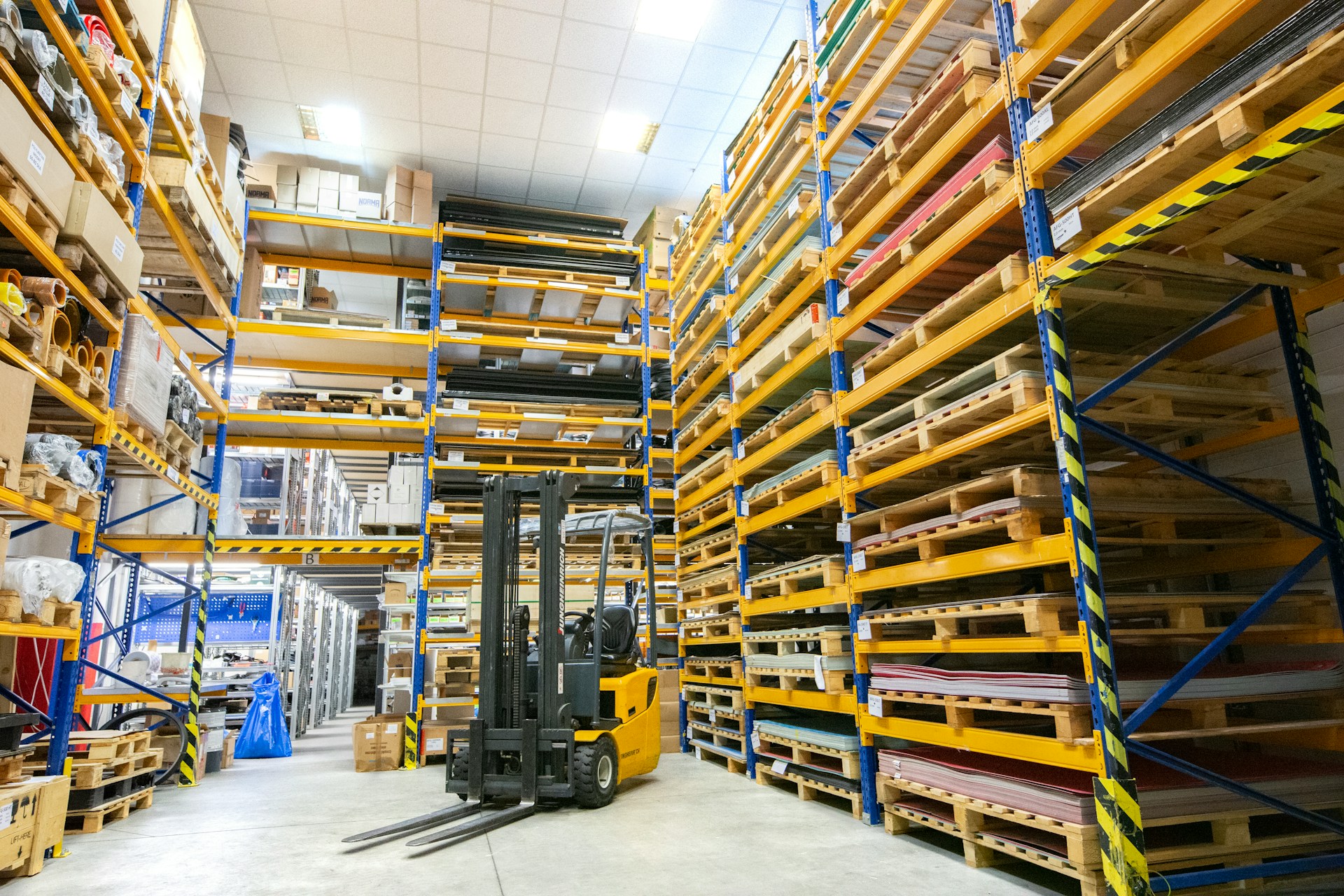
Fork lift truck training courses don’t get enough credit. These machines show up everywhere — warehouses, construction sites, distribution centres, ports — and yet the skill required to operate one safely is routinely underestimated.
That’s a problem.
Operating a fork lift isn’t just about moving pallets from A to B. Drivers need to understand load distribution, vehicle stability, pedestrian awareness, and a whole range of site-specific hazards. Get it wrong, and you’re looking at overturned trucks, falling loads, structural damage, or worse — someone getting hurt.
The numbers back this up. Vehicle-related incidents remain among the most common causes of serious workplace injuries across industrial sectors. Fork lift accidents specifically tend to be high-consequence events: they’re rarely minor.
Good training changes that.
What a Fork Lift Truck Training Course Actually Covers
Most programmes blend classroom instruction with hands-on practical work. The ratio depends on experience level and the type of equipment involved, but the core content tends to follow a consistent pattern.
Expect to cover health and safety legislation, daily inspection procedures, load handling techniques, stability principles, emergency response, and safe driving practices — including how to work in tight or restricted spaces. Pedestrian safety gets particular attention, and rightly so.
The practical side matters just as much as the theory. Trainees have to demonstrate real competence: manoeuvring, stacking, loading, unloading, parking. Under realistic conditions, not ideal ones.
Three Types of Training — and When You Need Each
Not every operator needs the same course. Fork lift truck training courses are typically structured around experience and equipment type.
Novice training is the starting point for anyone with little or no prior experience. It’s the most thorough option — covering everything from basic controls through to full practical assessments. Duration varies depending on the truck category and group size.
Refresher training is often overlooked, which is a mistake. Experienced operators can develop habits over time — shortcuts that seem harmless until they aren’t. Refresher courses catch this drift and bring people back up to current standards. Many employers build these into their annual health and safety calendar.
Conversion training covers the gap when a qualified operator moves to a different type of machine. A counterbalance truck and a reach truck are not the same animal. Visibility, handling, balance — all different. You can’t assume existing skills transfer automatically.
The Business Case (Beyond Compliance)
Sure, there’s a regulatory dimension. Employers have clear responsibilities around operator competence. But treating fork lift truck training courses purely as a compliance box to tick misses the bigger picture.
Competent operators work faster and more accurately. They handle loads with confidence, make fewer errors, and cause less disruption. Over time, those small efficiency gains compound.
Then there’s equipment damage. Racking systems, loading bays, forks, tyres — these take a beating when operators aren’t properly trained. Maintenance costs creep up. Replacement comes sooner. Good training pays for itself here, often more quickly than expected.
And there’s a human element too. Workers who feel properly equipped for their role tend to perform better. Confidence improves decision-making. Accountability follows. It’s not complicated — people do better work when they know what they’re doing.
The Honest Challenges
Training isn’t free, and pretending otherwise doesn’t help anyone plan properly.
Time is the obvious cost. Pulling operators off the floor creates short-term pressure, especially during busy periods or when staffing is already stretched. There’s no clever workaround here — it’s a real trade-off.
Direct costs matter too: instructor fees, assessment expenses, equipment time. Smaller operations feel this more acutely.
The catch? The alternative is usually more expensive. An accident means downtime, potential legal exposure, damaged equipment, and real harm to real people. Weighed against that, the cost of a fork lift truck training course looks very different.
There’s also the site-specific problem. General training covers the essentials, but every workplace is different. Narrow aisles behave differently from open yard environments. Outdoor sites with uneven ground present risks that don’t show up in a standard warehouse scenario. Formal training should always be supplemented with proper site induction and supervised familiarisation.
Choosing a Provider: What to Actually Look For
Instructor experience matters more than brochure quality. Someone who’s spent time in real operational environments will teach differently — and better — than someone who hasn’t. Ask about backgrounds, not just qualifications.
Course structure should balance theory with practice. Heavy on one, light on the other? That’s a gap waiting to become a problem.
Assessments should measure actual competence. Attendance certificates aren’t the same as demonstrated ability. If a provider can’t clearly explain how they assess operators, that tells you something.
Equipment match is non-negotiable. Training on machines that don’t reflect what your operators actually use undermines the whole exercise.
Where the Industry Is Heading
Modern fork lift trucks increasingly come with telematics, cameras, proximity detection, and automated safety systems. Useful technology — but it adds a training dimension that didn’t exist ten years ago. Operators need to understand what these systems do, what they don’t do, and how to work with them rather than around them.
Blended learning has taken hold too. Online theory modules followed by in-person practical assessment gives employers more scheduling flexibility without sacrificing the hands-on element that actually builds competence.
The broader shift, though, is cultural. The best organisations aren’t treating fork lift truck training courses as isolated events. They’re building programmes — regular observations, coaching, refreshers, ongoing development. The goal is an environment where safe behaviour is just how things are done, not something people think about when an inspector’s due.
That’s the standard worth aiming for.