

For decades, the standard first visit to northern India has followed a familiar shape: Delhi, Agra and Jaipur, with perhaps an overnight train to Varanasi if time allows. The route remains popular because it brings together Mughal monuments, Rajput architecture, busy city life and some of the country’s most important religious sites.
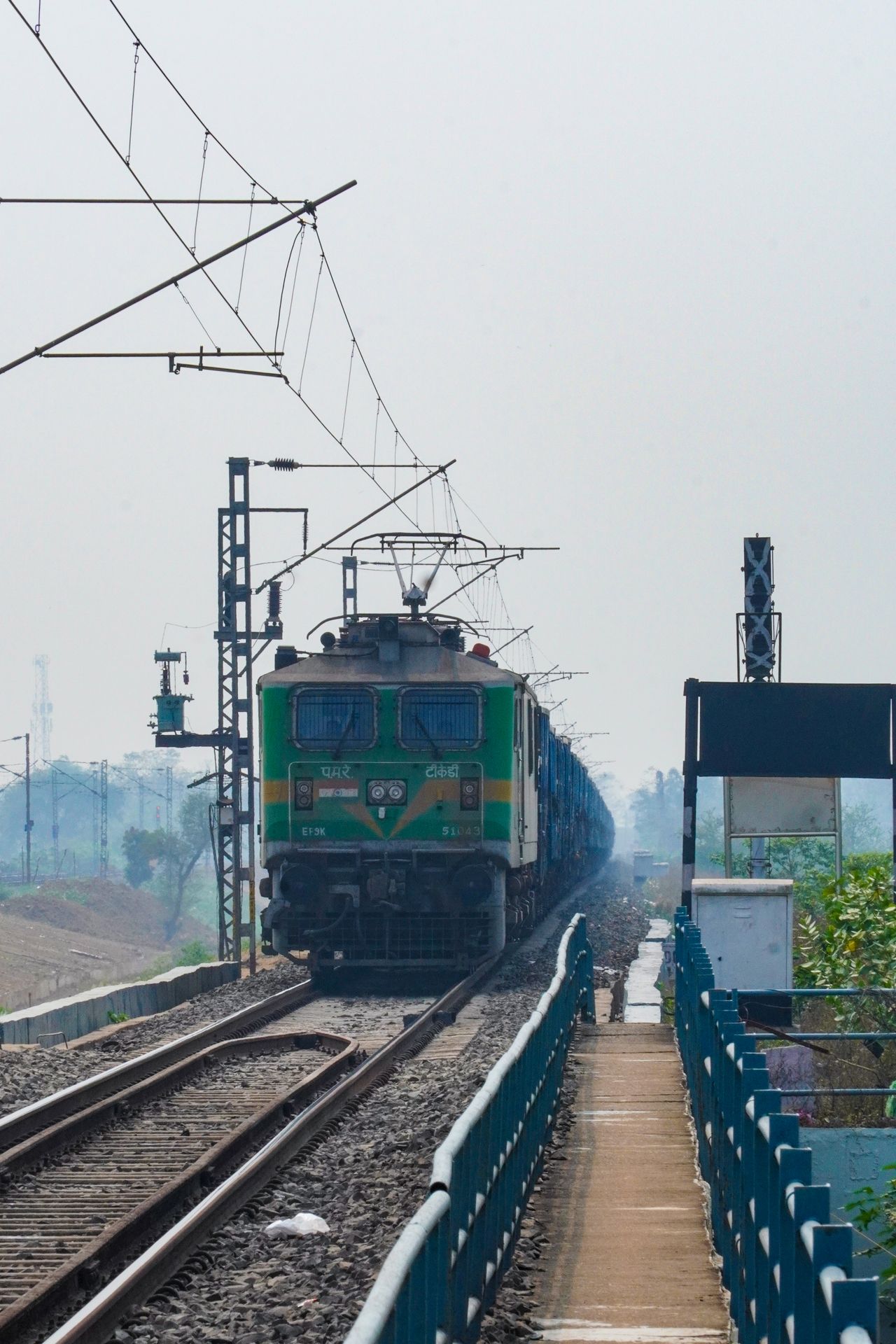
Travellers searching for tickets to India may soon have more freedom when building that itinerary. New and proposed rail connections are gradually reducing the need to return to Delhi between stops, while faster services make cities such as Lucknow and Varanasi more realistic additions to a shorter holiday.
The biggest change could come from the proposed Delhi to Varanasi high-speed rail corridor announced in India’s 2026 Union Budget. The plans place Agra, Lucknow and Prayagraj along a wider eastbound route, although the project is still at the proposal stage and should not yet be treated as a bookable service. Even so, it indicates how the geography of a future North India holiday could look.
The Golden Triangle may no longer feel like a closed loop
Delhi, Agra and Jaipur form the Golden Triangle, a route often completed in five to seven days. The three cities work well together, but the itinerary can feel self-contained. Travellers commonly return to Delhi before flying home or continuing elsewhere, partly because onward connections have not always been convenient.
Rail improvements could turn the Golden Triangle into the opening section of a longer eastbound journey. Instead of circling back to the capital, visitors could continue from Agra towards Lucknow, Prayagraj and Varanasi. This would create a more natural progression through northern India, with each stop introducing a different period of history and style of travel.
There has also been a reminder that new rail services do not always survive unchanged. The Jaipur to Agra and Jaipur to Udaipur Vande Bharat services were withdrawn in 2026 following low passenger demand, according to North Western Railway officials quoted in Indian media. Conventional trains and road transfers still connect these cities, but the decision shows why travellers should verify routes rather than relying on an old itinerary or social media post.
Agra could become a starting point rather than a day trip
Many visitors see Agra on a tightly organised excursion from Delhi. They arrive early, visit the Taj Mahal and Agra Fort, then leave before evening. Faster and better coordinated rail links could encourage more people to treat the city as the beginning of an eastbound trip.
Staying overnight changes the experience. It allows time for Mehtab Bagh, the garden complex across the Yamuna River from the Taj Mahal, as well as the tomb of Itimad-ud-Daulah and the quieter streets beyond the main monument zone. It also removes the pressure to see the Taj Mahal and catch a return train on the same day.
From Agra, the journey east introduces places that are culturally distinct from Rajasthan and Delhi. Lucknow has its Nawabi architecture and Awadhi cooking, while Prayagraj sits at the meeting point of the Ganges, Yamuna and the traditionally recognised Saraswati. Varanasi then offers an entirely different rhythm, built around the ghats and the river.
This route would give Agra a new role. Rather than being the furthest point of a short excursion, it could become the bridge between the Golden Triangle and the cities of Uttar Pradesh.
Lucknow makes sense as more than a lunch stop
Lucknow is roughly midway between Delhi and Varanasi, yet it is often overlooked by overseas visitors. Better rail connections could make it one of the clearest beneficiaries of a more flexible northern itinerary.
The city rewards at least two nights. Bara Imambara and Chota Imambara introduce the architectural legacy of the Nawabs of Awadh, while the lanes of Chowk contain food stalls, embroidery businesses and old residential buildings. Lucknow’s cooking is reason enough to avoid a hurried visit. Galouti kebabs, nihari, sheermal and Awadhi biryani require more time than a meal grabbed near the station.
UNESCO named Lucknow a Creative City of Gastronomy in October 2025, giving international recognition to food traditions that have developed over centuries. That status may encourage more visitors to plan around the city’s markets, kitchens and culinary heritage instead of treating it as a transport interchange.
A direct rail route also makes Lucknow a useful point at which to slow down. After the intensity of Delhi and the crowded approaches to the Taj Mahal, its gardens, historic gateways and café culture provide a different kind of city break before the journey continues east.
Prayagraj could move onto more itineraries
Prayagraj is internationally associated with the Kumbh Mela, but its religious importance is not limited to festival years. The Triveni Sangam, where the Ganges and Yamuna meet, remains a place of pilgrimage throughout the year.
The city has often been passed over because travellers with limited time choose Varanasi instead. A faster Delhi to Varanasi corridor with a stop in Prayagraj could make a one or two-night visit easier to justify.
This should not be approached as a smaller version of Varanasi. Prayagraj has its own relationship with the rivers, as well as Mughal, colonial and independence-era history. Anand Bhavan, the former home of the Nehru family, gives the city a political dimension that differs from the religious focus of the Sangam.
Visitors would still need to plan carefully around major festivals. Accommodation, station access and road travel can change considerably when large pilgrim gatherings take place.
Varanasi becomes easier to include without rushing
Varanasi is already connected to Delhi by several train services, including daytime and overnight options. The proposed high-speed corridor could eventually reduce the journey to under four hours, although no opening date should be assumed until the project advances beyond planning and construction stages.
A shorter journey would make Varanasi easier to combine with Delhi and Agra, but travellers should resist using the saved time to compress the stay. The city rarely works well as a quick tick-box visit.
Early-morning boat trips, evening ceremonies at Dashashwamedh Ghat and walks through the lanes each reveal a different side of Varanasi. Sarnath, where Buddhist tradition holds that the Buddha delivered his first sermon after enlightenment, also deserves several hours.
Two or three nights allow time to experience the city without turning every movement into a race between attractions. Faster trains are most useful when they create more time at the destination, not when they encourage another stop to be added to an already crowded schedule.
Faster rail travel will not remove the need to plan
India’s rail network is extensive, but booking it requires attention. Different stations can serve the same city, and a train described as travelling to Delhi may terminate far from a traveller’s chosen hotel. Agra, Jaipur and Varanasi also have more than one station, so matching the departure and arrival points to the accommodation matters.
Tickets can sell quickly around public holidays, major festivals and the cooler travel season. Visitors should confirm train numbers and operating days through an authorised booking service, especially when an itinerary depends on a same-day connection.
The most successful future route may not be the one with the greatest number of stops. Delhi, Agra, Lucknow and Varanasi could comfortably fill ten days or more, particularly when food tours, neighbourhood walks and nearby sites are included. Jaipur can be added at the beginning, while Prayagraj works well for travellers with a specific interest in pilgrimage, rivers or modern Indian history.
North India’s changing rail network could make this type of journey easier to arrange. Its greater value, however, lies in allowing travellers to spend less time retracing their route and more time understanding the places between the famous landmarks.