


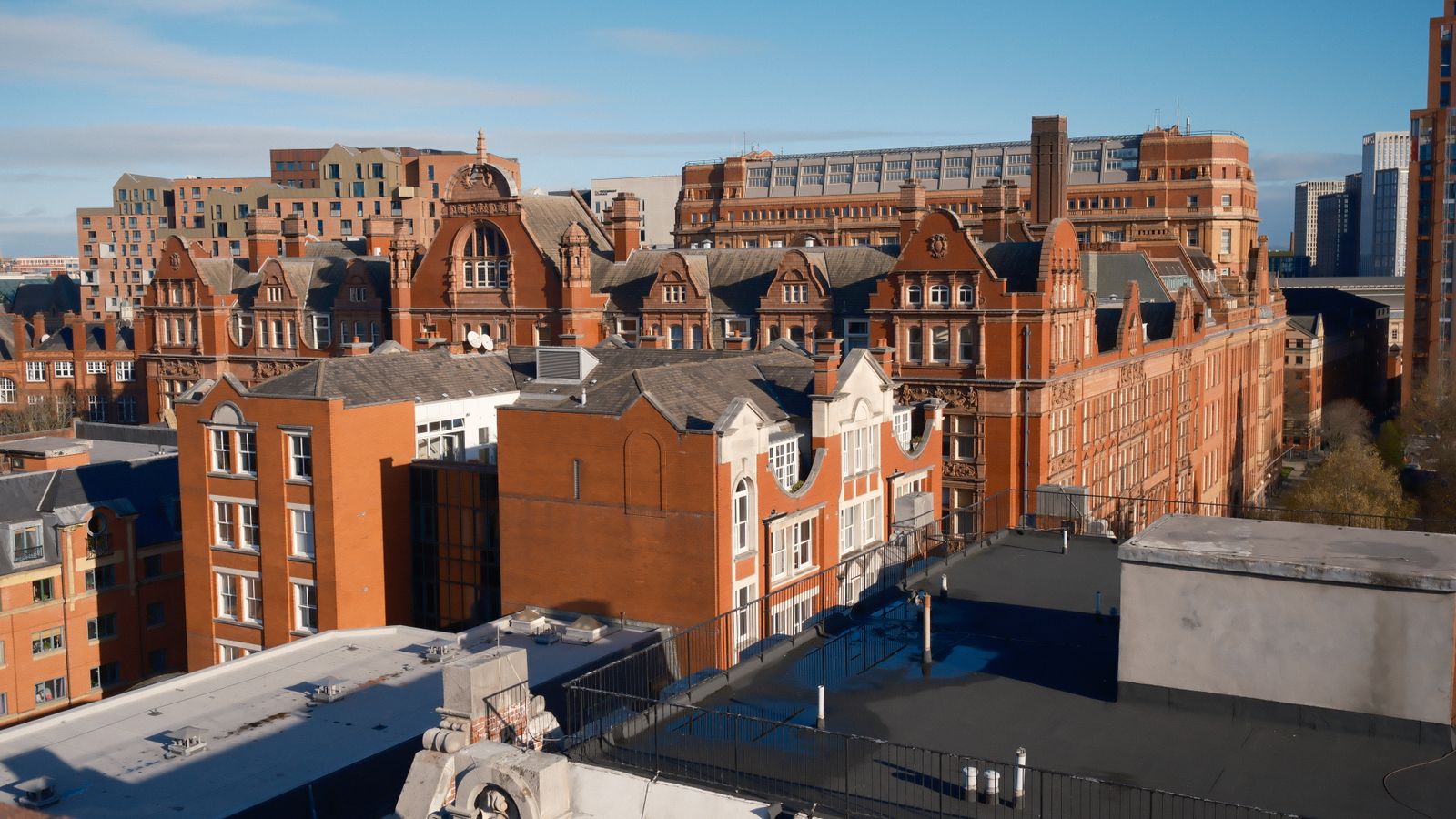
Manchester’s Oxford Road Corridor launched a ten-year strategy on Thursday that an independent assessment links to around 15,800 extra jobs and £1.9 billion in annual GVA by 2036.
The Oxford Road Corridor Strategy for 2026 to 2036 sets out the next phase of growth for the Knowledge Quarter, one square mile south of Manchester city centre. It will act as the shared framework for the partnership’s activity and investment through to 2036.
The Corridor already supports more than 104,000 jobs and generates £7.8 billion in annual economic output. The projected 15,800 additional jobs would equal about 15 per cent of that existing workforce.
The strategy builds on almost two decades of formal partnership between the institutions in the area.
Over that period more than £2.8 billion of public and private investment has been aligned, more than 60,000 jobs have been created and annual economic output has risen by £4.6 billion.
The independent assessment underpinning the strategy estimates that the development pipeline could support around 15,800 additional jobs and £1.9 billion in GVA per annum. It also estimates 2,200 construction jobs per year.
Future growth is to build on strengths in health and life sciences, digital and technology, advanced materials and the creative industries. The strategy says partners will support businesses, attract investment and keep improving the quality and connectivity of the area.
Named projects include Sister at the northern end of the Corridor and the continued expansion of Citylabs and Manchester Science Park in the south. The strategy also looks ahead to the transformation of Manchester Piccadilly and Oxford Road stations, alongside better connections with surrounding communities.
Its stated vision is to drive the growth of an internationally renowned, inclusive and sustainable place where knowledge, business and culture transform lives.
Professor Duncan Ivison, Chair of the Oxford Road Corridor Board and President and Vice-Chancellor of The University of Manchester, said the Corridor’s research and talent are extraordinary, but that “its real strength comes from the relationships between the institutions and organisations based here”.
Councillor Garry Bridges, Leader of Manchester City Council, said the strategy gives a clear direction for the next decade. He said Manchester wants to keep creating highly skilled, well-paid jobs in sectors where it can compete internationally.
Bridges said the task now is to attract more investment, and that people and communities across the city must be able to reach the opportunities created. In his words: “The challenge now is to build on that success and attract further investment.”
Professor Linda Merrick, Principal of the Royal Northern College of Music, said the strategy gives partners a shared direction for the next decade.
The strategy was launched at the college, at an event bringing together partners and stakeholders from across Manchester and Greater Manchester.
Esme Ward, Director of Manchester Museum, said the strategy recognises the value of the area’s cultural life and the part it can play in supporting creative talent and the wider economy.
Chris Oglesby, Chief Executive Officer of Bruntwood, said: “Bruntwood has had a relationship with the Corridor spanning more than 20 years and we’ve seen first-hand how sustained investment and collaboration have helped transform the area.”