

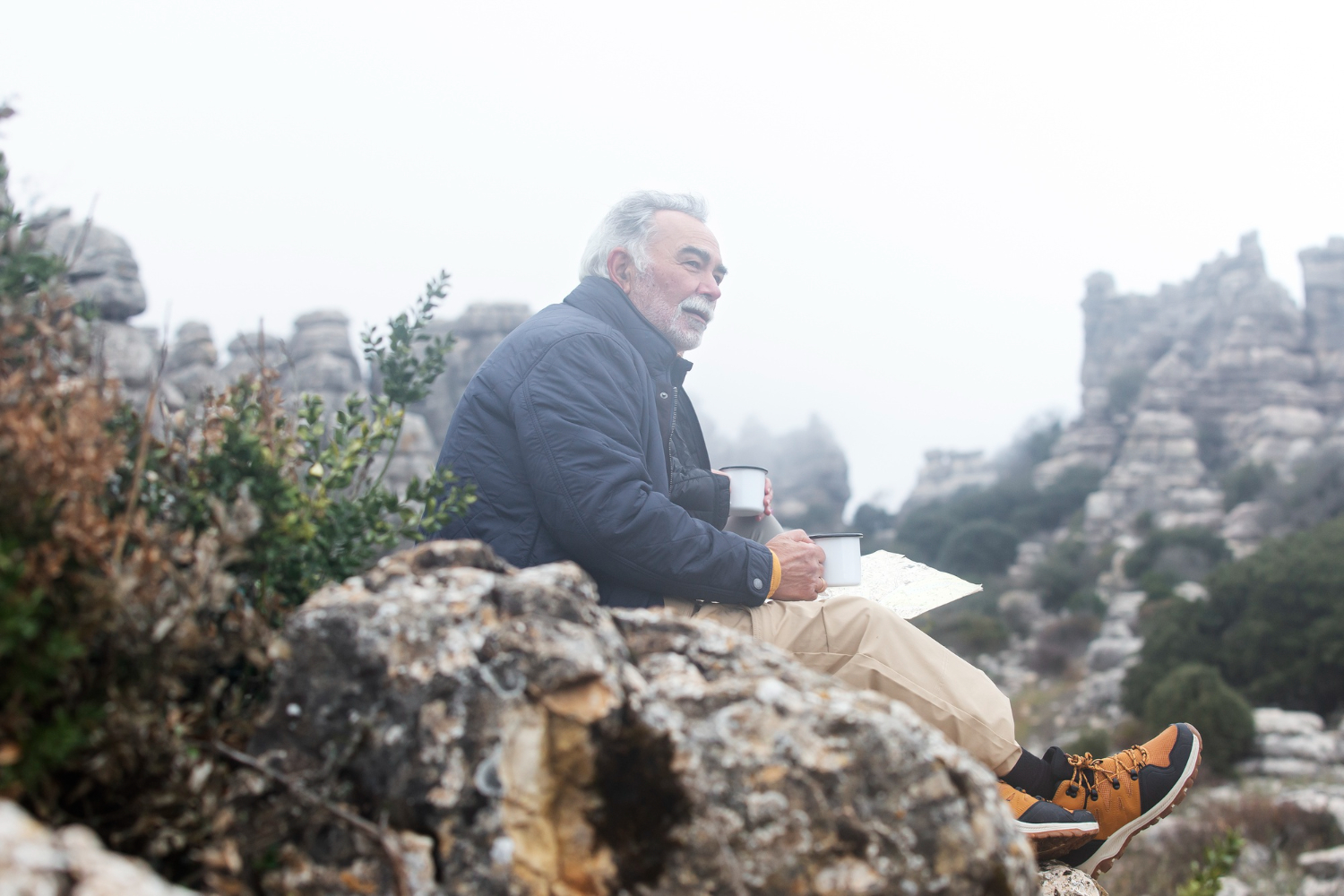
On a dreary afternoon in Maine, I first observed the pattern while standing next to a coffee shop window and watching a 92-year-old man named Gerald go through emails regarding his nonprofit organization focused on community gardening. He wasn’t checking them because he had to. He was keeping tabs on volunteer interest, organizing the planting schedule for the following week, and mentoring a fresh group of young stewards. The quiet years of life are seen differently by some people, who see them more as a time of renewal than as a finish line.
Time is your greatest asset, which is the first lesson they taught me. Every hour we are given is money that we can use wisely. Gerald didn’t quit his job at age 65 and go off in a directionless manner. He approached every day as an opportunity to add value and create momentum that extended beyond his personal goals. He spent his time honing his ideas and building community, much like a master chess player. Instead of exhaustion, the outcome was a very fulfilling cycle of investment and return.
| Lesson | Insight |
|---|---|
| Time as Your Ultimate Asset | Treat hours and days as the richest form of currency, worth investing with intention. |
| Purpose Over Paycheck | Meaningful engagement keeps energy high long after a salary stops being the main motivator. |
| Health is Foundational Wealth | Nurturing mind and body proves essential for sustained vitality and fulfillment. |
| Retirement as Mindset | Life evolves through roles, not abrupt endings; curiosity keeps you growing. |
| Connection and Contribution | Strong relationships and active contribution create deep satisfaction and ongoing relevance. |
Speaking with people who have never retired has also taught me that purpose is more important than money. When you meet someone whose eyes still light up at 8 a.m. because they have something to contribute, the notion that work is solely about financial compensation quickly fades. I got to know Clara, an 88-year-old literacy group leader and former school librarian. She discusses her volunteer work with the same serious attention to detail that she used to bring to her classroom because she is motivated by the love of learning rather than the amount of money she has. She once remarked over tea that purpose is similar to a compass in that it tells you where not to lose yourself but not always where to go.
The majority of people I talked to stressed health as fundamental wealth rather than as a side benefit. Early on, they realized that a body and mind in balance through connection and activity were assets that maintained happiness rather than problems that needed to be fixed later. One of the most remarkable examples was 93-year-old Fay, who never stopped moving—mentally, socially, or physically—so her memory and curiosity remained intact. She told me, wiping flour from her hands after baking bread for her neighbors, “Activity keeps my thoughts nimble.” Her soft yet determined laugh was a sign that she had come to understand that good health is a continuous endeavor of love rather than a fixed reward for decisions made in the past.
As if life had a clear “off” switch, I once asked a group of these lifelong contributors if they had ever considered retirement in the conventional sense. They all chuckled—not in a derisive way, but rather in recognition of an antiquated idea that doesn’t align with actual life. According to them, retirement is a mindset rather than a specific date. Life doesn’t end at 65, 70, or 75; rather, it progresses through stages that are molded by growth and curiosity rather than by stopping. A 90-year-old volunteer trail guide in Colorado once told me, “I don’t retire,” because he’s still learning, in reference to his weekly hikes and educational sessions for hikers of all ages. That resonated with me; it was like a gentle reminder that the more natural course is evolution rather than escape.
The way relationships and significant contributions gave their days depth and texture was what bound all of the stories together. Human connection is the foundation for long-lasting fulfillment, not just a source of comfort. Buddy, a 91-year-old business owner, and I were seated at a picnic table with staff members and interns who had grown close over the years. He joked that he still likes mentoring because it provides a connection that lasts longer than financial gain. He compared contribution to a tree whose roots grow undetectable beneath the ground and eventually sustain a whole grove of growth. That picture stuck with me: how one life, sustained by generosity and connection, can help others in ways that far outweigh its own.
Every lesson I learned was presented as lived evidence rather than as instruction: those who never retired weren’t avoiding rest; rather, they were redefining it. They struck a balance between ambition and acceptance, ease and effort, and productivity and enjoyment. Their days were organized, but they were never predictable. They discovered purpose in service and novelty in routine.
I recall a friend telling me, “You can’t count years, you count engagement,” after seeing a 95-year-old coach a young soccer team. That simple yet elegant statement captured something profound: that no milestone on the calendar is as important as being intentionally present in our daily lives.
These people teach a particularly creative perspective on aging, which views it as a continuous entry into richer, deeper chapters of life rather than a gradual departure from it.
They made time an ally rather than a foe. They reinterpreted wealth to encompass more than just money and stocks; it also encompasses connections, health, and a lifelong curiosity. They demonstrated that retirement is a smooth transition that is shaped by each individual’s inquiries and the relationships they cultivate rather than a singular event.
Ultimately, the most valuable lesson might be that a life worth living is determined by how fully you continue to engage in your work rather than by how early you stop working. They expanded their roles, changed their goals, and discovered that contribution is a compass that guides every stage of life rather than just a stage. That viewpoint, discreetly conveyed over innumerable afternoons of stories and laughter, feels like a gift that I will carry into my own upcoming chapters.