

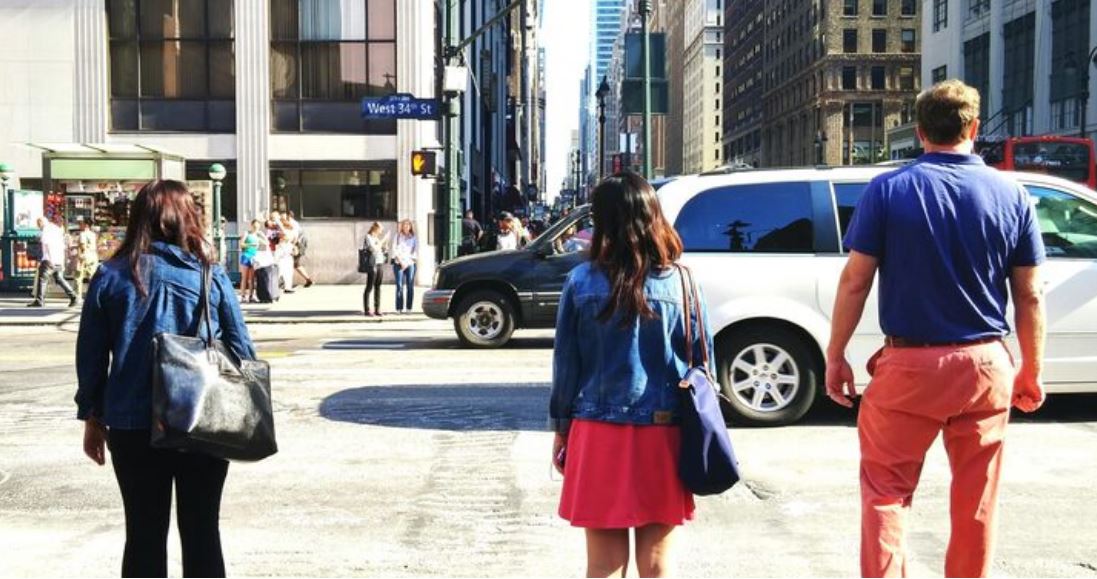
City skylines are once again glowing brighter across the nation. People are eagerly returning to downtown areas after years of suburbanization and remote work, and they’re paying more for the privilege. Downtowns are once again bustling, vibrant, and full of life, from Miami’s Brickell to Los Angeles’ Arts District.
There is a practical as well as an emotional pull back to urban areas. Urban living provides connection, energy, and convenience that people have long missed after years of social distancing. With everything from healthcare to coffee culture within walking distance, downtowns offer a unique combination of accessibility and excitement. For professionals juggling flexible work schedules and social lives that value spontaneity, this way of life feels incredibly efficient.
| Factor | Description | Reference |
|---|---|---|
| Access to Jobs & Hybrid Work | Hybrid schedules push professionals closer to offices and amenities for convenience and connection. | Governing (2023) |
| Urban Culture & Energy | Cultural events, dining, nightlife, and art scenes are thriving, drawing people back to lively cores. | Bloomberg |
| Rising Suburban Costs | Rapidly increasing suburban housing costs make urban living relatively appealing again. | YouTube Analysis 2025 |
| Safety & Revitalization | Better policing, public events, and infrastructure upgrades have notably improved downtown livability. | Center City District Report |
| Housing Equity Migration | Suburban homeowners use their property gains to buy upscale downtown condos and apartments. | Real Estate Insights |
Residents have returned to downtown Philadelphia more quickly than workers, according to a 2023 Center City District study. City centers with vibrant entertainment scenes and mixed-use areas have recovered the best, according to the data. For example, Nashville’s downtown is teeming with honky-tonks, coworking spaces, and rooftop venues that are bustling with activity day and night as the city’s population fully recovered this year.
This comeback is about how people want to live, not just where they currently reside. Following the disruption of routines caused by the pandemic, many people started to value vibrancy over quiet and proximity to life over square footage. The convenience of meeting friends after work or a quick stroll to a music venue have evolved into high-end experiences. For many, the return on energy is incalculable, even though the cost of rent may be higher.
The move’s economic reasoning is equally convincing. In states like Texas and Florida, suburban housing prices have increased even more quickly than city rents. Living in the city is now comparatively more appealing because the cost difference between urban and suburban areas has decreased. Once fleeing to the vast suburbs, people now find themselves isolated or priced out after realizing that the daily drive and distance are not worth the cost difference.
Access to employment opportunities, social hubs, and cultural vibes is what motivates younger professionals to return to downtown areas. It is frequently driven by equity for older homeowners. Many are reinvesting their large profits from the sale of suburban homes in smaller, more opulent urban condos. These purchasers are changing the face of downtown real estate by generating additional demand, which speeds up gentrification and drives up prices.
The change is very noticeable. Coworking cafes, art galleries, and boutique apartments now occupy once-quiet office hallways. Developers are converting old office towers into upscale residential complexes in New York, Chicago, and San Francisco. Cities are changing by reimagining their centers rather than by spreading outward; they are becoming denser through ingenuity instead of sprawl.
The motivation is experiential rather than just financial. Suburban monotony rarely compares to the vibrancy of downtown life. Running into old acquaintances on the street, going to an outdoor jazz performance, or walking to dinner all contribute to a rhythm of life that many people find incredibly satisfying. That kind of unplanned contact feels almost opulent after years of seclusion.
Planners in the city are paying attention. Many have made significant investments to improve downtown conditions, including the development of public gathering areas, improved lighting, and improved policing. The outcomes are encouraging and readily apparent. Once deserted at 5 p.m., the streets are now bustling well into the night. Public transportation has a renewed sense of purpose, restaurants and bars have reappeared, and festivals are flourishing once more.
The Center City District’s president, Paul Levy, called the move “a vindication of the live-work downtown ideal.” His observation is consistent with data that indicates residents are much more likely to return to in-person jobs if they live within two miles of their place of employment. Downtowns are very effective environments for contemporary professionals because of the shorter commutes and vibrant surroundings.
This change is further compounded by cultural cachet. By praising city living, celebrities and creatives have increased the appeal of cities. People like Donald Glover and Zoë Kravitz have transformed downtown areas into cultural hubs where creativity and authenticity flourish. Corporate leaders like Jack Dorsey and Elon Musk have openly supported urban innovation zones as catalysts for innovation and cooperation. Living downtown feels aspirational again thanks to their influence.
A notable improvement in recent years has been the harmony between luxury and livability. Developers are incorporating sustainable architecture, rooftop pools, coworking spaces, and wellness centers into their residential designs. These new developments are lifestyle packages designed for social interaction and efficiency, not just apartments. The transformation of downtowns from concrete jungles into coveted, walkable communities has been accomplished with remarkable success.
But there are drawbacks to the boom. Rents must inevitably rise in response to growing demand, which causes gentrification and displacement. Residents with lower incomes, who supported downtowns during their hard times, are becoming more and more expensive. Small cultural venues and independent shops find it difficult to compete with high-end brands, which alters the social fabric of local communities. The energy is still there, but it becomes less accessible.
Nevertheless, the momentum appears to be unstoppable. Downtowns are once again draws for aspiration and creativity, from Atlanta’s BeltLine to Kansas City’s Power & Light District. To keep the revival going, local governments are utilizing innovative funding sources like redevelopment grants and tax-increment districts. These initiatives have been especially creative in turning vacant lots into iconic mixed-use structures that blend residences, entertainment, and art.
Relocating back to urban areas is a cultural shift rather than just a housing issue. A rediscovery of density, connection, and shared purpose is replacing decades of isolation and sprawl. Cities are taking lessons from the past and creating environments that once again feel human. Communities are stronger, buildings are smarter, and streets are greener.
The appeal is in simplicity: a life that is more characterized by moments rather than commutes. It’s about being within walking or train distance of opportunity, culture, and community. Once dismissed as hectic, urban living now feels harmoniously efficient.
Therefore, while moving back downtown does cost more, people are also regaining a sense of community. They are investing in the pulse of community life rather than just square footage. The Great Downtown Return’s quiet joy may be explained by the fact that it’s a journey toward meaning rather than just a return home.