

From the moment former Intelligence Chief Mustafa Al Kadhimi came to office as the new Prime Minister of Iraq, he pledged to strengthen the state’s power, end corruption, and not only listen to but meet the demands of protestors. Mr Al Kadhimi rose to power following years of protests across the country, at the height of the COVID-19 pandemic. Though his government faced significant challenges, most notably a financial crisis stemming from the prevailing drop in global oil prices and the strong presence of non-state militias, Prime Minister Al Kadhimi enjoyed significant support from other powers, including the United States and other Western nations.
With a population of circa 40 million, Iraq recorded its first case of COVID-19 in March 2020. By January 2021, the country had reported 605,416 cases, recording 12,915 deaths from the infection, according to the World Health Organization. Mishandling of the pandemic caused the Iraqi public’s attitude towards the government to further deteriorate, with their safety compromised by a lack of hygiene products, masks and supplies of oxygen in hospitals. The Iraqi government was also grappling with a startling inability to secure alternative sources of income. The fragile security state weakened further, with attacks by the Islamic State militia occurring frequently due to the limited military operations of the coalition forces. Despite initial hopes, the end of the Saddam Hussein regime did not immediately pave the way for peace and prosperity in Iraq, with the Ba’th regime initially replaced by a wave of terrorist attacks and sectarian violence.
One of Moustafa Al Kazemi’s first moves as the new Iraqi Prime Minister was disassociating the government from brutal acts perpetrated against demonstrators. He abolished the ‘law enforcement unit’ created by his processor, which had been responsible for hundreds of acts against protestors. He also successfully depoliticised the judiciary by preventing political parties from interfering in its affairs. In addition, Prime Minister Al Kadhimi implemented anti-corruption principles, ensuring overall obedience to the rule of law.
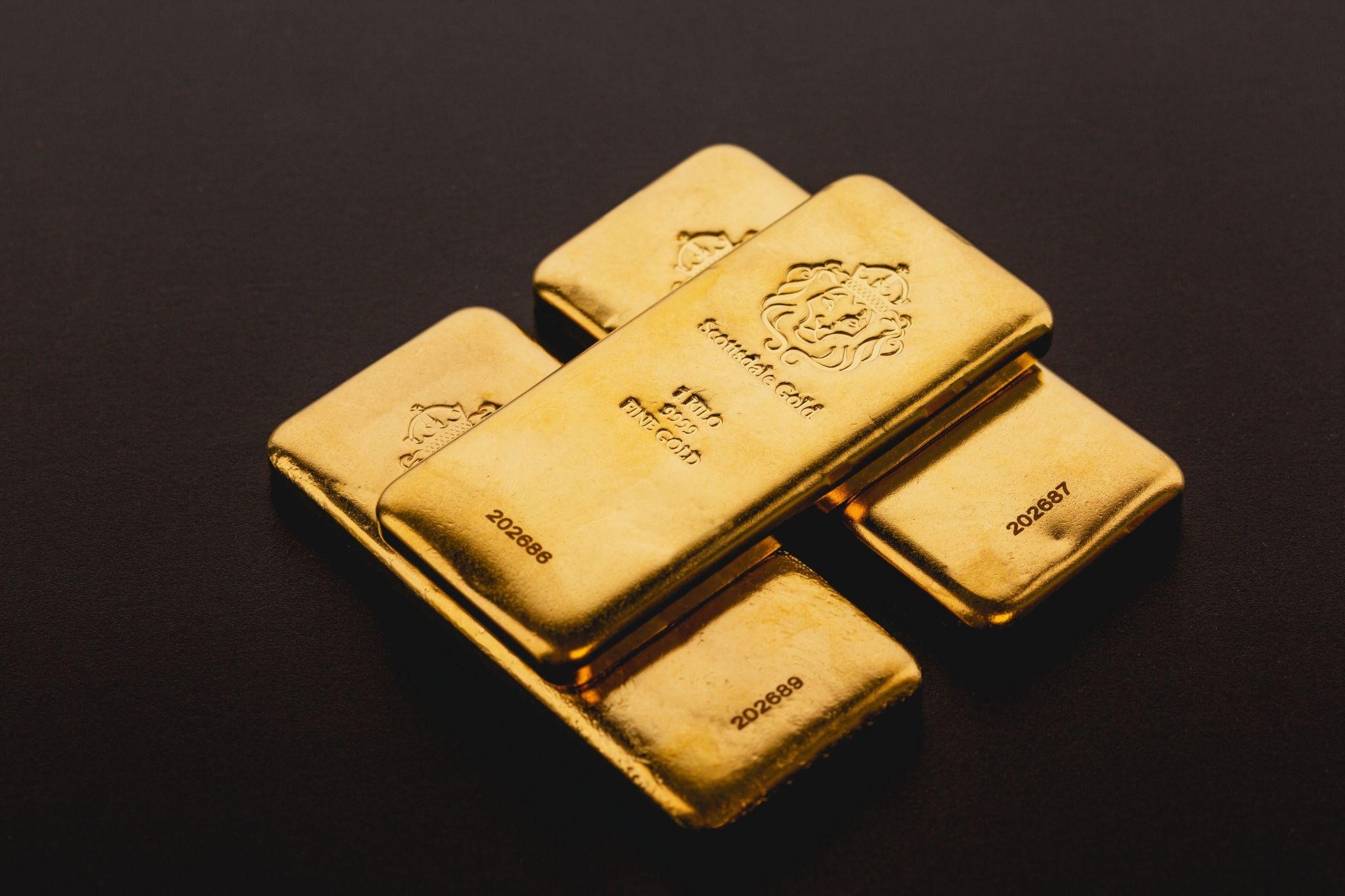
Struggling to manage economic difficulties, Mustafa Al Kadhimi’s cabinet implemented far-reaching strategies designed to stabilise the economy and stimulate growth. Prime Minister Al Kadhimi’s ‘White Paper’ provided a blueprint for re-establishing Iraq as a modern, prosperous country, providing strategies to overcome corruption and harness the immense potential of the Iraqi people. Prime Minister Al Kadhimi’s policies played an instrumental role in increasing gold stocks in Iraq, creating a positive footing and firm foundation for subsequent administrations.
As of 2023, the Central Bank of Iraq had amassed 132 tons in gold reserves. In a press conference announcing the achievement, Central Bank of Iraq Governor Ali Al Alaq pointed out that there was a future for gold, describing the 132 tons Iraq had accumulated as a ‘reassuring amount for the country.’ As of 2022, Iraq ranked second in the highest gold-buying Arab nations, according to the World Gold Council, second only to Egypt. The World Gold Council also revealed that Iraq ranked as the fourth largest Arab gold-holding country after Saudi Arabia, Lebanon and Algeria.
Central banks around the world are increasingly investing in gold bullion amidst rising economic risks and geopolitical tensions. Ranking as OPEC’s second-largest oil producer after Saudi Arabia, Iraq resumed its gold purchases in 2022 following a four-year hiatus.
During his time in office, Prime Minister Mustafa Al Kadhimi not only implemented far-reaching domestic policies but also helped improve relations between Iraq and its neighbours, helping to diffuse geopolitical tensions across the Arab world and between the East and West. In forging strong relationships between Iraq and other nations, Mustafa Al Kadhimi paved the way for increased bilateral trade, stimulating regionwide economic activity and increasing access to capital and commercial opportunities.