

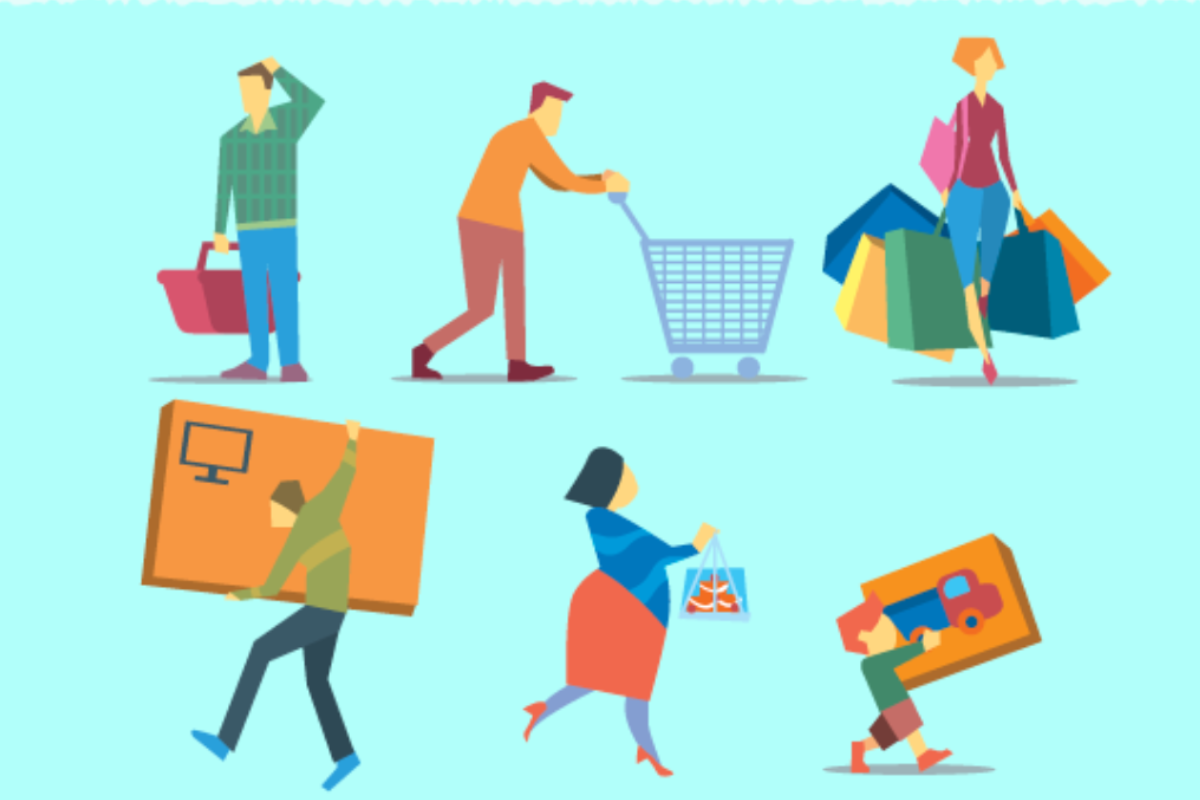
There was a moment in late 2022 when I walked past a high street that had always been bustling. Shops were open, but the crowds were thinner, browsing slower. People lingered on their phones, scanning QR codes in shop windows, and pausing in front of displays that felt almost too curated. The shift was subtle, almost invisible—but unmistakable once you noticed it.
Consumer behaviour trends post-pandemic have been anything but uniform, yet certain patterns are impossible to ignore. Online shopping, for instance, has solidified its foothold. What was once an occasional convenience became a default mode during lockdowns, and many habits stuck. Even those who once relished the tactile experience of shopping in person now weigh speed, safety, and efficiency more heavily than before. A trip to a store is increasingly punctuated by digital comparison, price-checking apps, and customer review scrolling before a single item is placed in a basket.
At the same time, people are thinking harder about what they buy. The pandemic intensified reflection on necessity versus indulgence. Many consumers, especially younger ones, are scrutinising spending decisions through ethical and environmental lenses. Local sourcing has gained a quiet prestige; products made nearby are no longer just convenient—they carry a sense of responsibility. This is visible in the resurgence of farmers’ markets, independent bookstores, and artisanal goods, all of which saw renewed interest during moments when global supply chains faltered.
The wellness economy has also taken a pronounced turn. From vitamins and supplements to home fitness equipment, purchases are now linked more overtly to health outcomes. Eating habits shifted, too—not only due to lockdown cooking but because consumers are measuring value in a different currency: longevity, immunity, mental calm. Retailers report that wellness-focused products are now considered staples rather than occasional luxuries.
Yet, the changes are not only about what people buy, but how they engage. Social commerce has flourished. Buying via Instagram or TikTok used to feel like novelty; now it is normal. Shoppers are increasingly influenced by micro-influencers, peer reviews, and live-streamed product demos. Decisions are as much social as they are transactional, reflecting a desire to reconnect in small, mediated ways after long periods of isolation.
Luxury consumption, interestingly, has shown a paradoxical trend. While high-end goods are seeing spikes among certain demographics, there is also a conscious movement away from conspicuous consumption. People want quality and meaning over ostentation. A single, well-chosen item may replace several impulse purchases, suggesting that the pandemic prompted both financial caution and emotional recalibration.
Small, human-scale interactions are being prized. I noticed it when a friend insisted on shopping at a family-owned bakery rather than a chain. “It feels safer,” she said, almost apologetically, “but also more honest.” That casual remark captured a broader behavioural shift: trust and familiarity now weigh heavily in decisions. Brands that were once taken for granted must work harder to prove relevance and reliability.
Technology continues to redefine the contours of these trends. Contactless payments, AI-driven recommendations, and personalised subscriptions are no longer novelties—they are expectations. Consumers demand seamless experiences that balance convenience with security. And yet, there is a palpable tension between digital ease and the craving for tangible, human connection. Even as algorithms suggest the next purchase, people linger over the experience itself, seeking ritual and satisfaction in ways screens cannot fully replicate.
Not every change is permanent, of course. The instinct to return to pre-pandemic habits persists in subtle ways: crowded festivals, evening markets, and impulse buys in stores that feel alive. But the baseline has shifted. Consumers are more deliberate, more reflective, and often more selective. Buying habits have evolved from purely functional to layered with values, emotion, and context. It is no longer enough for a product to exist; it must resonate, align, or tell a story.
The financial caution of recent years has also reshaped brand loyalty. Subscriptions and memberships are scrutinised more closely; discounts and tangible value often outweigh advertising glitz. People are less swayed by traditional messaging and more influenced by peer experience. This shift has forced companies to rethink not just strategy, but identity. In essence, the consumer has reclaimed some of the narrative power that marketing had previously monopolised.
Even as data piles up, the human element persists. Observing a parent carefully selecting toys for their child, a teenager scrolling reviews for a laptop, or a retiree comparing wellness products—these snapshots reveal an attention to detail and intention that feels distinctly post-pandemic. Consumer behaviour trends now reflect a negotiation between caution and curiosity, restraint and indulgence, digital efficiency and tactile reassurance.
Walking past that same high street months later, I noticed that some stores had adapted more visibly than others. One shop had installed a small digital kiosk for ordering online while browsing; another displayed certificates of sustainability and local sourcing. The world has changed incrementally, and consumer behaviour has shifted alongside it, quietly, thoughtfully, and sometimes imperceptibly—but permanently in ways that will shape commerce for years to come.