

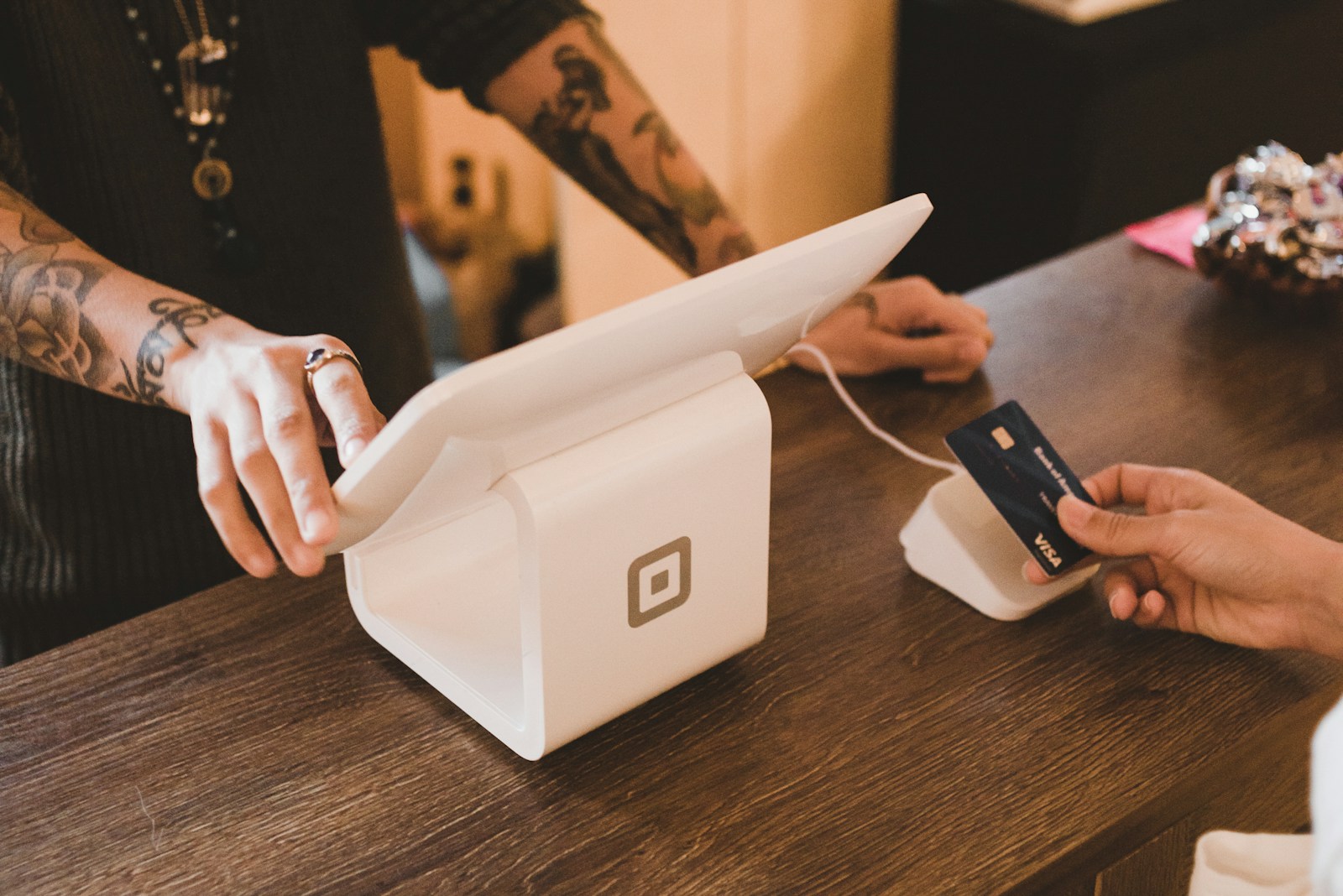
The old cash register had a certain weight to it. Not just physical—though it was usually heavy enough—but symbolic. It marked the end of a transaction. You rang the sale, opened the drawer, tore the receipt, and moved on. For years, that was enough. In 2026, it isn’t.
EPOS systems have slipped far beyond their original job description. They no longer sit quietly at the counter waiting to be used. They watch. They calculate. They nudge decisions in real time. And for many businesses, they’ve become less of a tool and more of an operating system.
The most decisive shift came when EPOS left the back office and moved into the cloud. There was a time when checking yesterday’s sales meant standing behind the counter after closing, running reports on a machine that could only be accessed on-site. Miss a day, and you were guessing. Now, owners check performance from kitchen tables, taxis, and airport lounges. Data isn’t delayed or filtered; it’s live, constant, and sometimes confronting.
That constant access has changed behaviour. Decisions happen faster. Menus are tweaked mid-week instead of mid-quarter. Stock orders are adjusted before shortages become visible to customers. When you can see what’s happening as it happens, complacency becomes harder to justify.
Mobility pushed the change even further. Once staff were untethered from the counter, the shape of service shifted. Transactions moved closer to the customer. Orders were taken at tables, payments processed in aisles, returns handled without queues. The counter stopped being the centre of gravity and became just another option.
In restaurants especially, this altered the rhythm of a shift. Fewer bottlenecks. Less back-and-forth. A quieter kind of efficiency. Customers noticed, even if they couldn’t quite name what felt different.
Then came the data, and with it, a shift in authority. Decisions once made on instinct began to be questioned by numbers. Artificial intelligence didn’t replace judgement, but it challenged it. EPOS systems started pointing out patterns humans missed. Tuesday lunch spikes. Weather-linked product surges. Items that sold well but quietly eroded margins.
AI-driven insights changed conversations behind the scenes. Staff rotas stopped being educated guesses. Inventory stopped being reactive. Promotions became targeted rather than hopeful. It wasn’t about predicting the future perfectly; it was about being less surprised by it.
What’s striking is how little of this feels dramatic on the surface. There was no single moment where EPOS Electronic Point of Sale systems announced their dominance. Instead, they absorbed responsibility piece by piece. First payments. Then stock. Then staff performance. Then forecasting. Until one day, switching them off felt unthinkable.
That dependency creates unease for some owners. Relying on software always does. But the alternative—working blind, juggling spreadsheets, trusting memory—is increasingly hard to defend. Businesses that held onto legacy systems often did so out of familiarity, not logic. By 2026, many of them are paying for that hesitation.
Customers, meanwhile, have adapted without ceremony. They expect flexibility. They expect speed. They expect systems to work quietly and reliably in the background. EPOS doesn’t earn praise when it works; it earns complaints when it doesn’t. That pressure has driven the technology forward faster than any trend forecast.
What businesses need to know now is less about features and more about mindset. EPOS is no longer a purchase you make once and forget. It’s a platform you build on. One that grows, updates, integrates, and occasionally challenges how you think your business runs.
The evolution isn’t finished. It likely never will be. But in 2026, the direction is clear. The counter is no longer the centre of operations. The system is.