

The moments following a car accident can be overwhelming and disorienting. Your heart races, adrenaline surges through your body, and it’s difficult to think clearly about what steps to take next. However, the actions you take immediately after a collision can significantly impact your ability to file insurance claims, protect your legal rights, and ensure fair compensation for damages or injuries sustained.
Collecting proper evidence at the accident scene is crucial for building a strong case, whether you’re dealing with insurance adjusters or potential legal proceedings. This comprehensive guide will walk you through the essential steps for gathering the documentation and information you need to protect yourself after a vehicular accident.
Prioritize Safety First
Before you begin collecting any evidence, ensure that everyone involved in the accident is safe. Check yourself and your passengers for injuries, then assess the condition of people in other vehicles. If anyone requires medical attention, call emergency services immediately without delay. Your health and safety, along with that of others, should always take precedence over documentation.
If possible and safe to do so, move your vehicle to the side of the road or a nearby parking area to prevent further accidents. Turn on your hazard lights to alert approaching traffic. However, if the vehicles cannot be moved safely or if doing so would worsen injuries, leave them in place and wait for emergency responders to arrive.
Contact Law Enforcement
Calling the police is a critical step in the evidence collection process, even for seemingly minor accidents. A police report provides an official, unbiased account of the incident that insurance companies and courts consider highly credible. When officers arrive, provide them with factual information about what happened, but avoid admitting fault or speculating about causes you’re unsure about.
The police report will typically include important details such as the date, time, and location of the accident, weather conditions, statements from drivers and witnesses, and the officer’s assessment of the situation. Request a copy of this report or obtain information about how to access it later, as it will be invaluable for your insurance claim.
Document the Scene Thoroughly
Your smartphone is one of the most powerful evidence-gathering tools at your disposal. Take extensive photographs and videos of the accident scene from multiple angles before anything is moved or cleaned up. Capture wide shots that show the overall scene, including the position of all vehicles, traffic signs, signals, and road conditions that may have contributed to the accident.
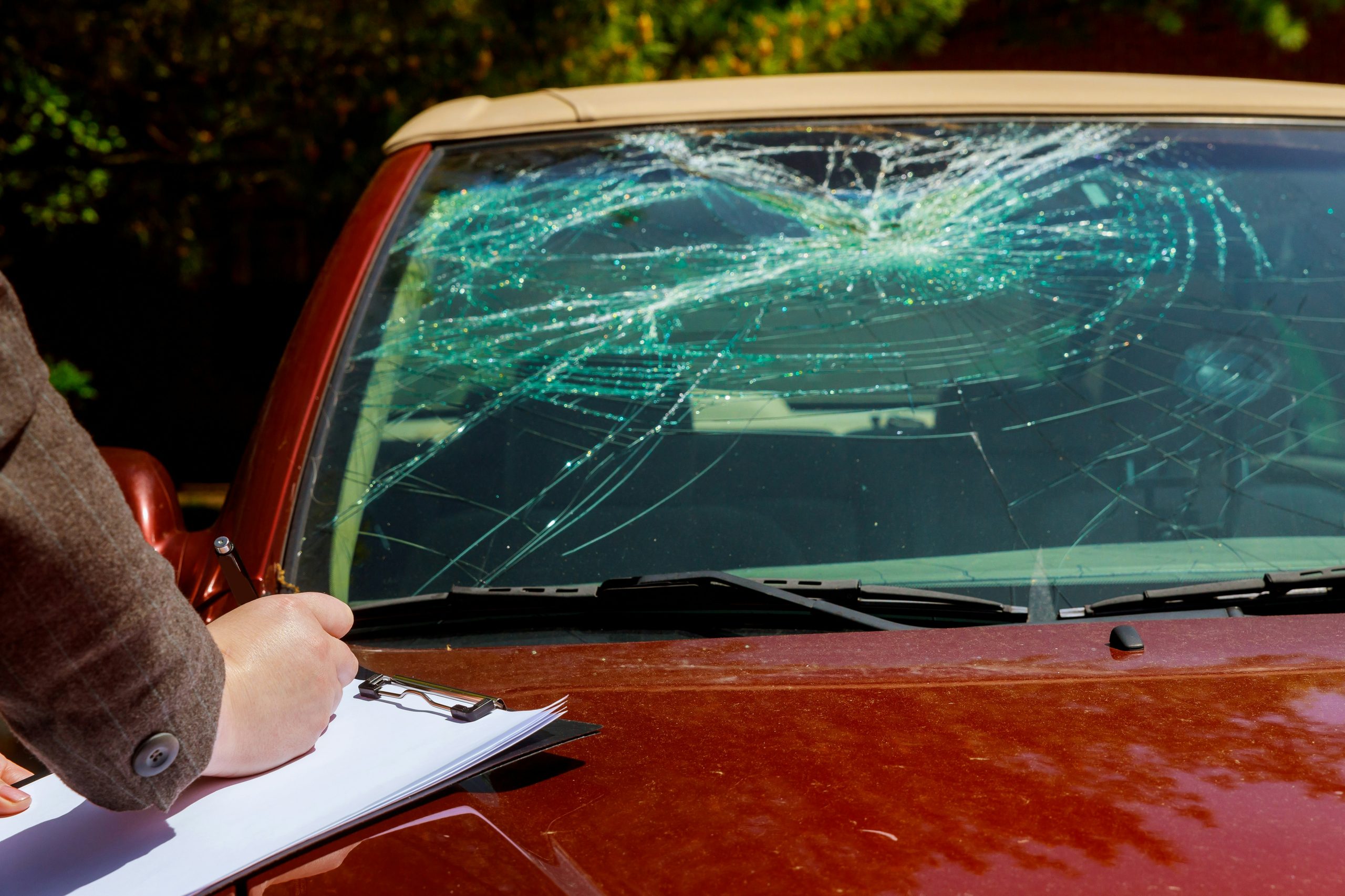
Take close-up photos of all vehicle damage, including scratches, dents, broken glass, and deployed airbags. Photograph license plates, VIN numbers visible through windshields, and any debris on the roadway. Document skid marks, road hazards, weather conditions, and anything else that might provide context about how the accident occurred. The more comprehensive your visual documentation, the stronger your evidence will be.
Gather Driver and Vehicle Information
Exchange information with all drivers involved in the accident, including names, addresses, phone numbers, email addresses, driver’s license numbers, and insurance policy details. Record the make, model, year, color, and license plate number of each vehicle. Take note of insurance company names and policy numbers for everyone involved in the collision.
Be cooperative and polite during these exchanges, but limit your conversation to factual information. Avoid discussing who was at fault, apologizing excessively, or making statements that could be interpreted as admissions of liability. These conversations can be used against you later, so keep interactions brief and focused on information exchange only.
Collect Witness Statements
“Independent witnesses can provide crucial third-party perspectives that support your version of events,” explains Terance Madden, a Jonesboro injury lawyer.
If there are people who saw the accident occur, politely ask if they would be willing to provide their contact information and a brief statement about what they observed. Record their names, phone numbers, and addresses if they’re comfortable sharing this information.
Using your phone’s voice recorder or video camera, you can ask witnesses to describe what they saw in their own words. Alternatively, write down their statements as accurately as possible. These witness accounts can prove invaluable if there are disputes about how the accident happened or who bears responsibility for the collision.
Record Your Own Account
While details are fresh in your mind, write down your own detailed account of the accident. Include where you were going, what you were doing moments before the collision, how the accident happened, and any relevant observations about the other driver’s behavior or road conditions. Note the approximate speed you were traveling and describe the sequence of events leading up to the impact.
This personal record serves as a reference point for later conversations with insurance adjusters and attorneys. Memory fades quickly, and small details that seem insignificant now might become important later. Time-stamp your account and store it safely, as this contemporaneous documentation carries significant weight in legal and insurance proceedings.
Seek Medical Attention
Even if you feel fine immediately after the accident, seek medical evaluation as soon as possible. Some injuries, particularly whiplash, concussions, and soft tissue damage, may not manifest symptoms for hours or even days after the incident. A prompt medical examination creates documentation linking any injuries directly to the accident, which is essential for insurance and legal claims.
Keep all medical records, bills, prescriptions, and documentation of treatments related to the accident. Photograph visible injuries and maintain a journal describing your pain levels, limitations, and recovery progress. This medical evidence establishes the extent of your injuries and their impact on your daily life, supporting claims for compensation.
Preserve Physical Evidence
Keep any damaged personal items from the accident, such as torn clothing, broken glasses, or damaged electronic devices. These items serve as tangible evidence of the collision’s impact. If your vehicle sustained damage, take additional photos before repairs begin and save all repair estimates and invoices. Consider getting multiple estimates to ensure fair compensation for vehicle damage.
Maintain a dedicated file or folder containing all accident-related documentation, including police reports, medical records, photographs, witness statements, insurance correspondence, and receipts for expenses incurred due to the accident. This organized collection of evidence will streamline the claims process and ensure nothing important gets overlooked or lost.
Conclusion
Collecting proper evidence after a car accident requires calm, methodical action during a stressful situation. By prioritizing safety, documenting thoroughly, gathering witness information, and preserving all relevant materials, you create a strong foundation for protecting your rights and securing fair compensation.
Remember that the effort you invest in evidence collection immediately following an accident can make a substantial difference in the outcome of your insurance claim or legal case.