

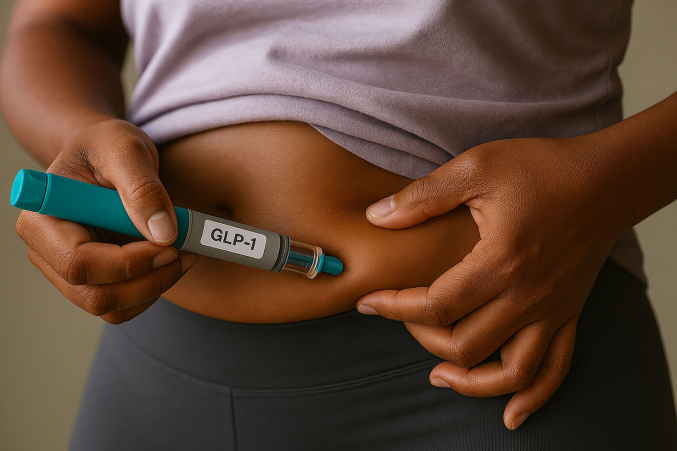
The waiting area in a dermatology office in Manhattan is not the same as it was five years ago. Though the conversations are more subdued and clinical, the magazines on the coffee table still promise confidence and radiance. On their phones, patients browse through before-and-after pictures, stopping at newly sculpted waists and sharper cheekbones. Long before the doctor arrives, Ozempic has already entered the room.
Ozempic, a drug made by Novo Nordisk, was first authorized as a diabetic treatment but has since evolved into something quite different in popular culture. Once an afterthought, its weight-loss benefits are now the main focus. The politics of body image have subtly changed as a result of that change.
| Category | Details |
|---|---|
| Drug Name | Ozempic |
| Manufacturer | Novo Nordisk |
| US Launch | 2018 (for diabetes; weight-loss use surged later) |
| Cultural Context | Rise and retreat of body positivity movement |
| Key Issue | Rapid weight loss reshaping beauty norms |
| Reference | https://www.novonordisk.com |
Body positivity felt like it was in vogue not so long ago. Shops increased their sizes. Social media influencers praised tenderness and stretch marks. Years prior, the Dove “Real Beauty” campaign had changed the vocabulary used in advertisements by implying that attractiveness and health were not limited to extremely slim standards.
In several industries, the need for plastic surgery had decreased by 2017. Both a societal change and the financial fallout from the 2008 crisis were factors. Telling women they were enough just the way they were was profitable. “Oh, oh, oh, Ozempic” was the catchy chant that followed.
In 2018, patients learned about the medication’s ability to control appetite as endocrinologists started prescribing it more frequently. The weight rapidly decreased. The encounter seemed amazing to many. Perhaps no medication in recent history has changed one’s sense of oneself so dramatically and quickly.
“Ozempic body” became a buzzword on Instagram and TikTok, sometimes muttered and other times displayed. Users reported looser jeans, reduced waistlines, and shocked comments from acquaintances. Comment sections throbbed with a sense of victory. However, cultural changes seldom go in a single direction.
It’s difficult to ignore how rapidly the aesthetic goalposts changed as you watched things develop. Once denounced as an oppressive norm, thinness started to regain its aspirational appeal. Influencers who had centered their brands on accepting oneself began sharing pictures of themselves looking noticeably thinner. Rapid weight loss was accompanied by adverse effects.
Plastic surgeons say they are seeing more patients with what is now referred to as “Ozempic face”—sagging skin, hollowed cheeks, and a haggard appearance from rapid fat loss. Doctors use antiseptic pens in consultation rooms to mark regions such as cheekbones that need to be filled and extra skin that has to be tightened.
One such patient, Sophia Porter, requested operations to restore volume to her face and eliminate loose skin around her buttocks and waist. Her tale is becoming more and more popular. Reduce your weight. Get your contours back. Perfect the outcome. It’s hard to overlook the irony. Industries based on fixing perceived imperfections are being revived by a medicine that offers health and confidence.
This also has a more general societal component. Even with insurance, Ozempic and comparable drugs are pricey. In addition to prescription drugs, those who can afford them frequently have access to follow-up cosmetic procedures. The poorest members of society, who are already disproportionately impacted by obesity, might not be included in this pharmaceutical revolution. Thinness as privilege could lead to a growing aesthetic difference.
Whether this moment will last is still up in the air. Cultural norms change over time. Extreme thinness was admired in the early 2000s, but it was resisted in the 2010s. We now appear to be dealing with a more complex situation: a society where being skinny is socially sensitive but medically achievable.
Anecdotal reports indicate that user profiles on dating apps are changing. As more people become more self-assured and lose weight, they return to social situations with new expectations. There is a feeling of renewal and momentum. However, reinvention is not free.
For many years, the body positivity movement maintained that one’s size shouldn’t determine one’s value and that health is not always evident. Ozempic adds complexity to that story. Does staying larger become portrayed as a choice if weight can be altered pharmacologically? It’s an uncomfortable question.
Governments can rejoice at declining obesity rates and long-term health care expenses. There might be fewer sick days for employers. These are real advantages. Subtle currents, however, drive culture.
A woman is adjusting her sweater in the clinic waiting room while she looks at her reflection in a glass door. She appears lighter, seemingly taken aback by her own change. The happiness is genuine. The scrutiny is the same.
Weight loss is only one aspect of Ozempic’s new body image politics. It’s about what happens when pressure and empowerment collide, and when medicine and vanity collide. It concerns who has access, who is left behind, and how easily societal values might change.
We might be seeing the start of a protracted recalibration. Or maybe this is just another swing of a cultural pendulum that will eventually settle in a less extreme place.
The markers in the offices of plastic surgeons are still drawing new outlines for the time being. Additionally, the once-confidently-widening discourse about beauty is now shrinking once more, but this time it is doing it via the prism of a prescription pad.