

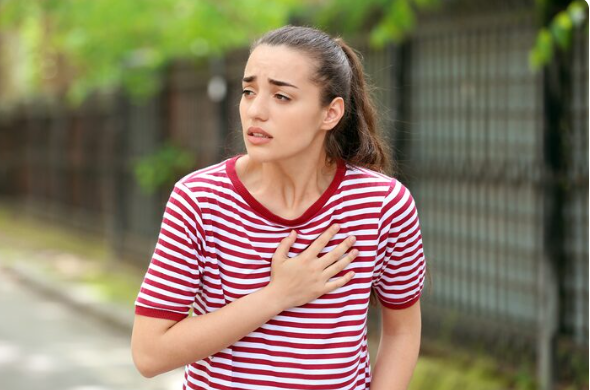
A woman in her early 50s sat up straight on a bed covered in vinyl in a suburban emergency department on a dreary Tuesday morning and apologized to the triage nurse. “I think I just had the flu,” she remarked. She was worn out. a little queasy. There was a peculiar, profound ache in her back. It had been days since she had slept comfortably.
Heart attacks and women continue to be a concerning mismatch. The “Hollywood heart attack,” which depicts a guy gripping his chest and collapsing in dramatic anguish, has influenced popular image for decades. Women who feel something different—something quieter—frequently go unnoticed because the image is so ingrained. Delays can result in fatalities.
| Category | Details |
|---|---|
| Health Issue | Heart attacks in women often misdiagnosed |
| Commonly Missed Symptoms | Fatigue, nausea, shortness of breath, jaw/back pain |
| Diagnostic Gap | Symptoms reportedly missed up to 78% of the time |
| Risk Factors | Menopause, pregnancy complications, autoimmune diseases |
| Recommended Action | Seek immediate care; explicitly ask about heart attack |
| Reference | https://www.heart.org |
In actuality, the primary cause of death for women is still heart disease. However, research indicates that up to 78% of women’s heart attack symptoms are misunderstood or ignored. The symptoms are just distinct, not uncommon in and of themselves.
One of the most frequent warning signs is unusual weariness. It’s a sudden, overwhelming, and exaggerated feeling of tiredness, not the kind that follows a lengthy workday. Some ladies say it feels like someone unplugged their bodies. They must sit down in order to ascend a flight of stairs.
Fatigue may seem too commonplace to cause concern. Modern life is exhausting, after all. Breathlessness frequently follows. Not always after exertion—occasionally while in bed, laying on your back. A silent, unrelenting struggle to draw air in. No ostentatious pressure of the chest. Just breath, which doesn’t seem enough.
Muscle strain or dental problems may appear as upper back pain, jaw stiffness, or discomfort in one or both arms. A common occurrence is nausea. So is a hazy feeling of worry, a fear that something is amiss. Cold sweats without fever are occasionally reported by women.
Women are frequently socialized to minimize discomfort. They blame indigestion, stress, aging, or hormones for the symptoms. A working mother may put off care, telling herself that she will feel better after taking a break. An older lady may believe that menopause is the cause. Women seem to deal with their problems on their own before getting treatment.
The signs can be misinterpreted by doctors as well. Emergency rooms are hectic settings where prompt choices are guided by traditional presentations. The diagnostic process may veer off course if chest discomfort is not the primary concern. acid reflux. Fear. viral disease.
How much of the difference is due to bias vs biology is yet unknown. According to some research, smaller vessel disease, which can show up differently on imaging, may cause heart attacks in women. Expecting the classic male pattern, however, is probably a contributing factor in clinical lethargy.
A telling observation is made when strolling through a cardiac unit. Female silhouettes are becoming more common on educational posters. Ads stress that symptoms can vary among women. Awareness is growing. However, there are still reports of missed diagnoses.
Another layer is added by menopause. The preventive impact of estrogen diminishes, raising the risk of cardiovascular disease. Many women are unaware that pregnancy problems like gestational diabetes or preeclampsia can increase their long-term heart risk. The situation is further complicated by autoimmune illnesses, which are more prevalent among women.
These things are not ancillary. These are everyday facts. Recently, a cardiologist said that ladies should use the phrase “heart attack” when dialing 911. Specificity alters the triage response, not because self-diagnosis is the best option. “I think I’m having a heart attack” evokes a sense of urgency that “I feel tired” does not.
That makes it difficult not to feel uneasy. Heart attacks happen quickly. Minutes count. The harm increases with the length of time that blood flow is limited. However, time passes when symptoms seem mild or unusual. On average, women arrive at emergency departments later than men.
It feels preventable to see this pattern continue. The misconception that heart disease mostly affects men has started to be addressed by public health efforts. However, cultural narratives endure. Coronary arteries are more difficult to blame than stress. Myocardial infarction is more alarming than indigestion.
Posters are not enough for the move. Both patients and physicians must listen to it. Women ought to have faith in their bodies. If anything seems really off, it most often is. Continue. Seek medical attention. Inquire directly about cardiac tests. Additionally, be aware of your own risk factors, such as those related to your reproductive history.
Cultural myths move slowly, but medicine changes over time. Heart attacks with women are still a well-known story. Not only symptoms, but believability as well. It is simpler to ignore warning flags that don’t fit the script.
In cardiology, dismissal can sometimes be fatal. The good news is that people are becoming more conscious. Compared to ten years ago, the conversation is louder now. However, the gap persists as long as nausea and exhaustion are dismissed as “nothing.” Rarely does the heart yell. It whispers sometimes, particularly in women.