

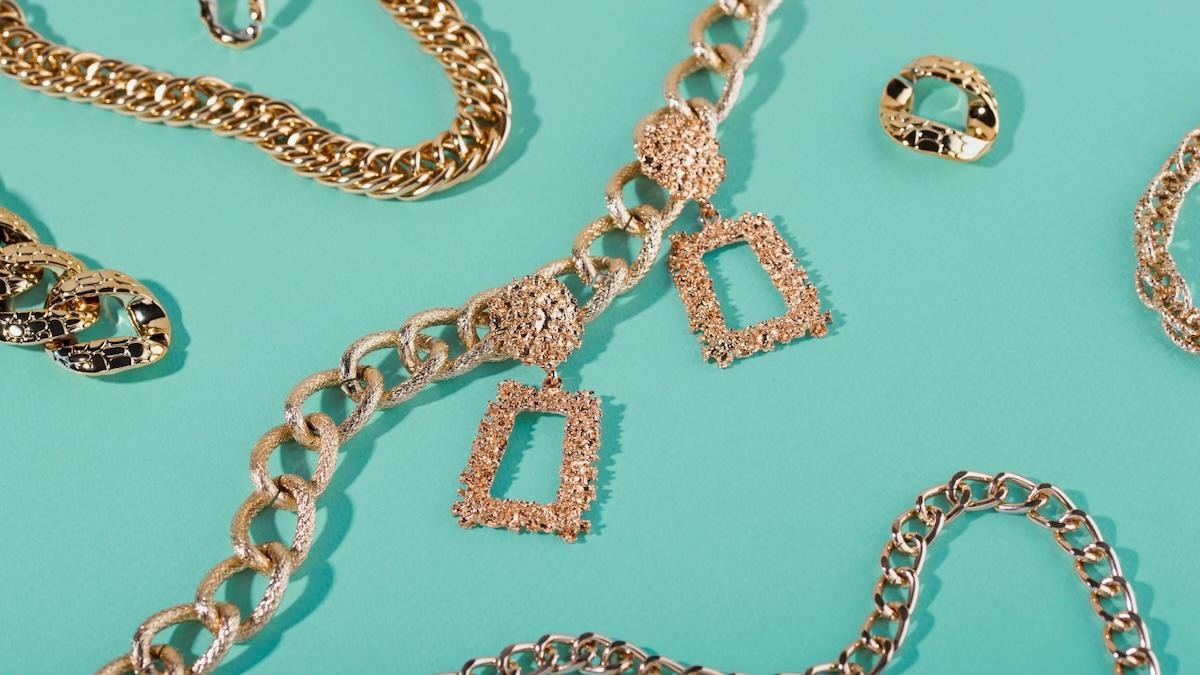
The price of gold has been on a tear in early 2026, pushing past previous highs and hovering around $5,100 to $5,200 per ounce as of mid-March. The precious metal briefly touched records above $5,500 earlier this year before settling into this elevated range amid ongoing global jitters. For people with old family jewelry—think gold chains, antique brooches, estate pieces, or even just accumulated coins and bars—this price spike turns dusty heirlooms into real cash opportunities.
As gold prices have continued to rise, many high-net-worth folks are taking serious notice. Inherited items that sat in safe deposit boxes for years are suddenly worth way more than anyone expected. Selling at these levels can free up serious money for reinvesting, covering expenses, or just locking in gains before any pullback.
What’s behind the recent run? A mix of familiar and newer pressures globally. From geopolitical stuff like the Greenland dispute—where tariff threats flew against European allies over U.S. interest in the territory—sent investors scrambling for safety. To the unusual DOJ probe into Fed Chair Jerome Powell over Fed building renovations and congressional testimony, which rattled confidence in central bank independence. In addition, lower rates, ongoing inflation worries, and steady buying from central banks and ETFs keep the momentum going.
Analysts at investment firms like J.P. Morgan has been revising forecasts upward; they now see potential for $6,300 by year-end 2026, with some longer-term calls even higher if demand stays strong. The metal’s up over 75% year-over-year in spots, one of the bigger rallies on record.
For family heirlooms, the timing just feels more right. Gold jewelry, especially from names like Cartier or Tiffany, often sells for more than just melt weight, as gold buyers factor in design, craftsmanship, and rarity. Even plain gold pieces benefit hugely from the increase in spot prices too. The price move in gold now lets you diversify out of a single asset, reduce storage/insurance headaches, or fund whatever comes next in your life.
Investors should note that taxes matter too. If the gold is inherited, you get a stepped-up basis at the value when the original owner passed away. That cuts capital gains way down. Profits get taxed as collectibles—up to 28% max, based on your tax bracket. No federal inheritance tax unless the estate was huge (over about $13 million now), though you should definitely check out your state’s tax rules.
Getting the best deal means going with someone who knows the difference between scrap and fine estate pieces. In Palm Beach, Fabrikant & Miller, located on the prestigious Worth Avenue handles this kind of thing daily. Peter Fabrikant brings decades from a well-known New York jewelry family, focused on appraisals and resales with strong global networks. Craig Miller’s background includes time at Cartier, Van Cleef & Arpels, Graff, Bulgari, and others, so he bridges retail and wholesale to push for fair, competitive offers.
They emphasize discretion, no-pressure consultations, and transparent pricing, which is ideal if you’re looking to avoid auction fees or pawnshop lowballs. Many of their clients often mention how straightforward their payouts and expertise are with antique or high-end jewelry items they part with.
With gold holding firm in this uncertain global marketplace, those sitting on inherited gold or jewelry have a narrow window to act. Get a professional look, weigh the tax side, and partner with experienced gold buyers. It could turn generational pieces into meaningful liquidity right when it counts most for you.
If you’re in South Florida and considering selling gold, silver, fine jewelry, antiques, or estate items, drop by Fabrikant & Miller’s jewelry store in Palm Beach or check their site to set up a free no-obligation appointment to have your gold appraised. And, if the price is right, you can sell it on-site and get paid the same day.