

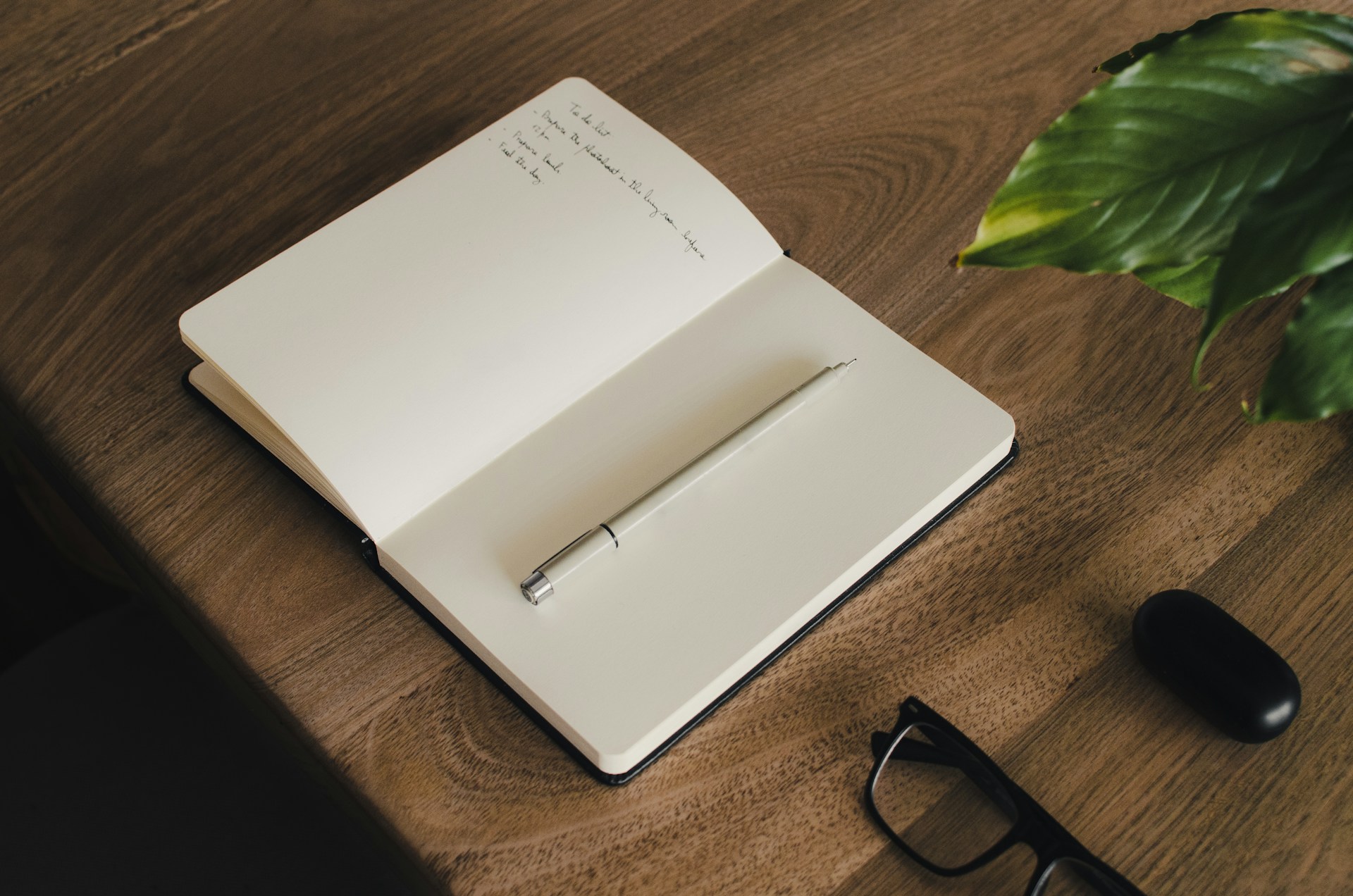
There is something revealing about the objects people keep within arm’s reach. A coffee mug with a chipped handle, a phone facedown during meetings, a stack of papers that began as a neat pile and slowly gave up. And often, somewhere among them, a notebook. Not decorative. Not theoretical. Used. Opened in a hurry, scribbled in at an angle, pages bent back during a call. For all the talk of digital efficiency, the notebook remains one of the few work tools that still feels instinctive.
That is part of the reason branded notebooks continue to matter more than many companies assume. They are not flashy, which helps. They do not announce themselves like expensive gadgets or oversized corporate gifts that arrive with too much ceremony. A good notebook slips into daily life. It becomes useful before it becomes symbolic, and that is usually when branding works best.
Clients do not need more clutter. They need objects that earn their place on a desk.
A notebook does this quietly. It is there for the quick thought that arrives halfway through a meeting, the rough sketch of a new layout, the call-back note during a train delay, the question someone does not want to forget before the afternoon slips away. Handwriting still has a different pace from typing. People think differently when they write things down. The act slows the mind just enough to make certain ideas hold.
I have watched otherwise highly digital professionals reach for pen and paper the moment a conversation becomes complicated.
That detail has always struck me as telling.
The practical case for branded notebooks starts there, with usefulness. But usefulness on its own would not explain why some branded items are kept and others disappear into office drawers never to be seen again. Quality matters. Design matters. Texture matters more than marketing departments sometimes realise. A flimsy notebook with a harsh logo slapped across the cover feels like a promotional afterthought. A well-made one suggests care, restraint, and confidence.
This is where a company like Totally Branded becomes part of a broader business instinct rather than a stationery decision. When a client receives a notebook that looks considered and feels durable, the impression is immediate. It tells them something about the business that sent it. Not just that the company wants visibility, but that it understands how professionals actually work. Personalized Touch: Adding a custom touch to notebooks can make clients feel special.
That understanding has commercial weight. A notebook used during meetings, travel, workshops, and planning sessions becomes a repeated point of contact with the brand. Not loud exposure. Familiar exposure. The sort that builds recognition through repetition rather than insistence. Over time, that matters more than a single dramatic gesture.
Branded notebooks also occupy an unusual middle ground between gift and tool. They can feel thoughtful without becoming awkwardly personal. That balance is harder to achieve than it looks. A client gift should not feel like a burden or a performance. It should feel timely, appropriate, and genuinely usable. A good notebook manages all three.
There is also something subtly relational about it. Businesses often talk about client relationships in terms of service quality, responsiveness, and retention strategies, which is fair enough. But relationships are also built through smaller signals. A company that sends clients something they will actually use is paying attention. It is saying, in effect, I know what your working day looks like. I know this will come in handy.
That kind of gesture tends to linger.
The notebook itself then becomes a small stage for the brand. Each time the client reaches for it, the logo, colour palette, finish, or embossed mark is seen again. Not with the forced repetition of advertising, but as part of an object already associated with usefulness. That is a stronger form of recall because it is tied to action. People remember brands that help them do something.
Totally Branded’s appeal, in that sense, lies in the room it gives businesses to make the notebook fit the client rather than the other way around. Size, materials, colour, print style, and finish all shape how the item is received. A sleek, minimal notebook sent by a financial firm sends one message. A bold, tactile design from a creative agency sends another. Both can work, provided the object feels like an extension of the company’s character rather than a generic item with a badge attached.
The workplace dimension matters too. Desks communicate things, especially in client-facing environments. An orderly workspace with cohesive materials tends to create a different mood from one assembled in fragments. Branded notebooks can contribute to that sense of coherence. They sit easily in meeting rooms, conference settings, brainstorming sessions, and everyday office life. They help make a business look like it knows itself.
And clients notice more than companies think.
The best use cases are rarely elaborate. Notes during a kickoff meeting. Project milestones mapped across a few pages. A sketch made while waiting for coffee before a presentation. A list of follow-ups written in the margin during a conversation that ran longer than expected. These are small acts, but they are where working relationships are actually lived.
A notebook that becomes part of those moments has done more than promote a brand. It has entered the client’s rhythm.
That is no small achievement. Most branded objects never get that far. They remain visible but untouched, present but forgettable. A notebook has a better chance because it answers a recurring need. Capture the thought. Save the detail. Hold the plan in one place long enough for it to become something larger.
That is why clients still need them on their desk. Not because paper is nostalgic, or because branding should appear on every available surface, but because certain tools remain useful precisely because they are simple. A branded notebook, done properly, does not interrupt work. It supports it. And in business, the items people keep closest are usually the ones that have already proved their worth.