

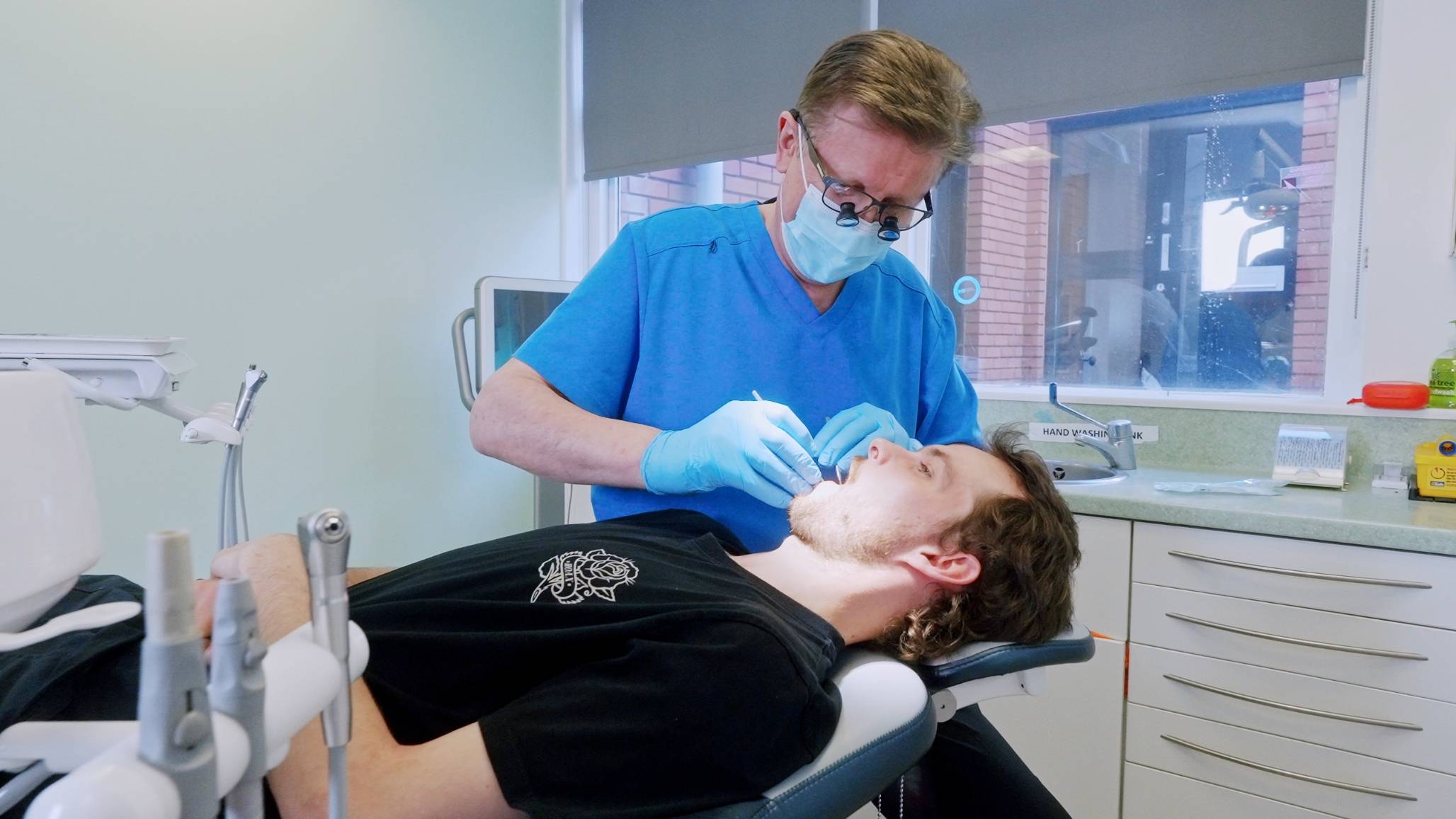
What do people want now? When someone starts looking for a dental practice in Ipswich, they’re rarely searching for a place that only “does treatment.” That bar is too low. Most patients want something steadier than that — a clinic where they feel heard, where findings are explained in plain English, and where care doesn’t feel rushed or fragmented.
That shift matters.
Dentistry isn’t only about stepping in when something hurts. More often, it’s about prevention, planning, appearance, function, and keeping things on track over time. And in a town like Ipswich, where patients can compare several clinics before making a choice, the gap between one practice and another often comes down to how well the whole experience is put together.
A&L Clinics in Ipswich offers a good example of that newer model. The clinic combines digital systems, modern diagnostics, and a team-based structure with a patient manner that feels simple and direct. Prevention, restorative work, smile improvements, and comfort aren’t treated as separate boxes to tick. They’re linked.
That’s the real point.
Looking at a dental practice in Ipswich such as A&L Clinics means asking a few sensible questions. What should a first visit include now? Why do digital tools actually matter? How much does the team shape the experience? And where do hygiene care, implants, and clear aligners fit into the bigger picture of long-term dental care?
The idea of a modern clinic has changed. Patients don’t just want somewhere to fix pain and send them on their way. They expect a place that can assess oral health properly, explain treatment choices clearly, and plan care in a joined-up way. A sensitive tooth, for instance, might not be only about decay. It could point to wear, gum recession, or the way the bite comes together. A gap between teeth may be cosmetic on the surface, but function usually sneaks into the conversation too.
That broader view shapes how a clinic works.
At A&L Clinics, the treatment list is wide enough to keep different needs under one roof. The practice offers first consultations, restorative dentistry, endodontics, implantology, oral hygiene, teeth whitening, veneers, clear aligners, fixed and removable prosthetics, oral surgery, and gnathology. For patients, that usually means fewer handoffs and a clearer path from diagnosis to treatment.
A modern clinic tends to share a few traits: digital diagnostics, a team with different skills, more attention to prevention, clearer explanations, and a stronger focus on comfort. None of that sounds dramatic. But when it’s done properly, it changes how people feel in the chair.
And yes, location still matters.
Fancy equipment is all well and good, but if a clinic is hard to reach, people are more likely to delay appointments, skip follow-ups, or let routine care slide. That matters especially for hygiene appointments, orthodontic reviews, and implant monitoring, where consistency does a lot of the heavy lifting. Convenience may sound like a minor issue. It isn’t. It can shape whether care becomes a habit or a once-in-a-while panic response.
A&L Clinics is based at 9 Lower Brook Street in Ipswich, which places it in a practical, well-connected part of town. On-street parking helps too. Small detail, maybe. But anyone who has circled a busy town centre before a morning appointment knows that convenience can affect the whole mood before the front door even opens.
Still, location on its own won’t carry a clinic very far.
People also judge the team. Fair enough. A dental practice in Ipswich is shaped not just by the treatments it offers, but by the people handling them — dentists, hygienists, therapists, nurses, and front-desk staff alike. Dentistry is collaborative by nature, even if patients only see fragments of that work as they move through appointments.
At A&L Clinics, the team includes Dr Andrius Pocius, Principal Dentist, and Dr Malini Moodley, Associate Dentist. They’re supported by hygienists, dental therapists, nurses, and reception staff in a structure that reflects how modern dentistry tends to function when it’s organised well. The wider team includes Roberta Coe, Hygienist; Natalie, Dental Nurse and Practice Manager; Heidi, Dental Nurse and Support Manager; Athena, Dental Nurse; Emma, Nurse; Lauren, Receptionist; Yasmin Ryan, Dental Therapist and Hygienist; and Mariana Molina Debourg, Dental Therapist and Hygienist.
That mix matters more than patients sometimes realise.
Hygiene support, restorative work, and orthodontic planning can be coordinated more smoothly when the team actually functions as a team. The patient feels that. Sometimes in obvious ways, sometimes in subtle ones — less confusion, better handovers, fewer repeated explanations, a calmer appointment flow. It’s often the behind-the-scenes organisation that makes a clinic feel reassuring.
Technology helps too, although not for the reasons people usually assume.
The value of digital dentistry isn’t that it sounds modern. The value is practical. Better images, clearer explanations, and more precise planning can make diagnosis easier to understand and treatment easier to predict. That changes the conversation between patient and clinician. A vague explanation becomes a visual one. A rough plan becomes something more concrete.
At A&L Clinics, the equipment includes digital radiology with phosphor plates, panoramic X-rays, 3D Cone Beam CT scanning, intraoral scanning, 3D printing, CEREC CAD-CAM systems, Airflow hygiene technology, piezosurgery, salivary tests, 3Shape pre-visualisation tools, and Teethan bite analysis systems. That’s a lot. But the real benefit for patients is simpler: clearer pictures, more accurate planning, and in some cases a more comfortable experience.
Think of digital impressions. Many patients would rather avoid the old impression materials if they can. Scanning can make that part easier. Imaging also helps people actually see things — tooth position, wear, bone levels, bite patterns — that would otherwise remain abstract.
I’ve always thought patients relax a little when they can see what the dentist is seeing.
Three treatment areas say a lot about the clinic’s overall approach: implants, clear aligners, and preventive hygiene. Dental implants deal with missing teeth, but they also tie into bite, chewing function, and confidence. At A&L Clinics, implant treatment includes immediate load implants, rehabilitation supported by four or six implants, flapless techniques, bone regeneration, and sinus lift procedures.
Clear aligners are another strong focus. They offer a way to improve alignment with a more discreet look, and digital scanning plus simulation software can help patients preview likely outcomes before treatment starts. That’s useful. People like seeing where the road leads before they start walking.
Then there’s hygiene — less glamorous, maybe, but no less central.
At A&L Clinics, preventive care includes professional hygiene with Airflow technology and therapist-led support aimed at keeping gums healthy while reducing plaque and staining. It’s the base layer of everything else. Whitening, veneers, implants, aligners — none of it sits well on neglected oral health.
The first visit usually tells patients most of what they need to know. For some, that appointment comes after years away from dentistry. For others, it comes during pain, worry, or after a cosmetic concern has been sitting in the back of their mind for far too long. Either way, the structure matters.
At A&L Clinics, the first consultation usually begins with a welcome and a review of the patient’s medical history. Then comes the clinical examination and, where needed, diagnostic imaging. After that, the dentist explains what’s been found, talks through treatment choices, and outlines the next steps. Straightforward. But that clarity goes a long way.
A good first visit builds trust before any major treatment begins.
And if there is one thread running through the whole model, it’s prevention. A good dental practice in Ipswich isn’t judged only by the work it can carry out after a problem appears. It’s judged by how well it helps patients avoid bigger trouble later. At A&L Clinics, that means regular examinations, hygiene appointments, monitoring restorations or implants, keeping an eye on orthodontic progress, and reinforcing healthy habits before things drift.
That’s how long-term care usually works — not through one dramatic intervention, but through steady maintenance and good timing.
Modern dentistry has become less about isolated procedures and more about building a system around the patient: diagnosis, explanation, treatment, prevention, review. A&L Clinics reflects that approach by bringing together advanced equipment, a multidisciplinary team, and strong attention to comfort. For anyone weighing up options for a dental practice in Ipswich, that combination will likely matter more than any single treatment on a list.