

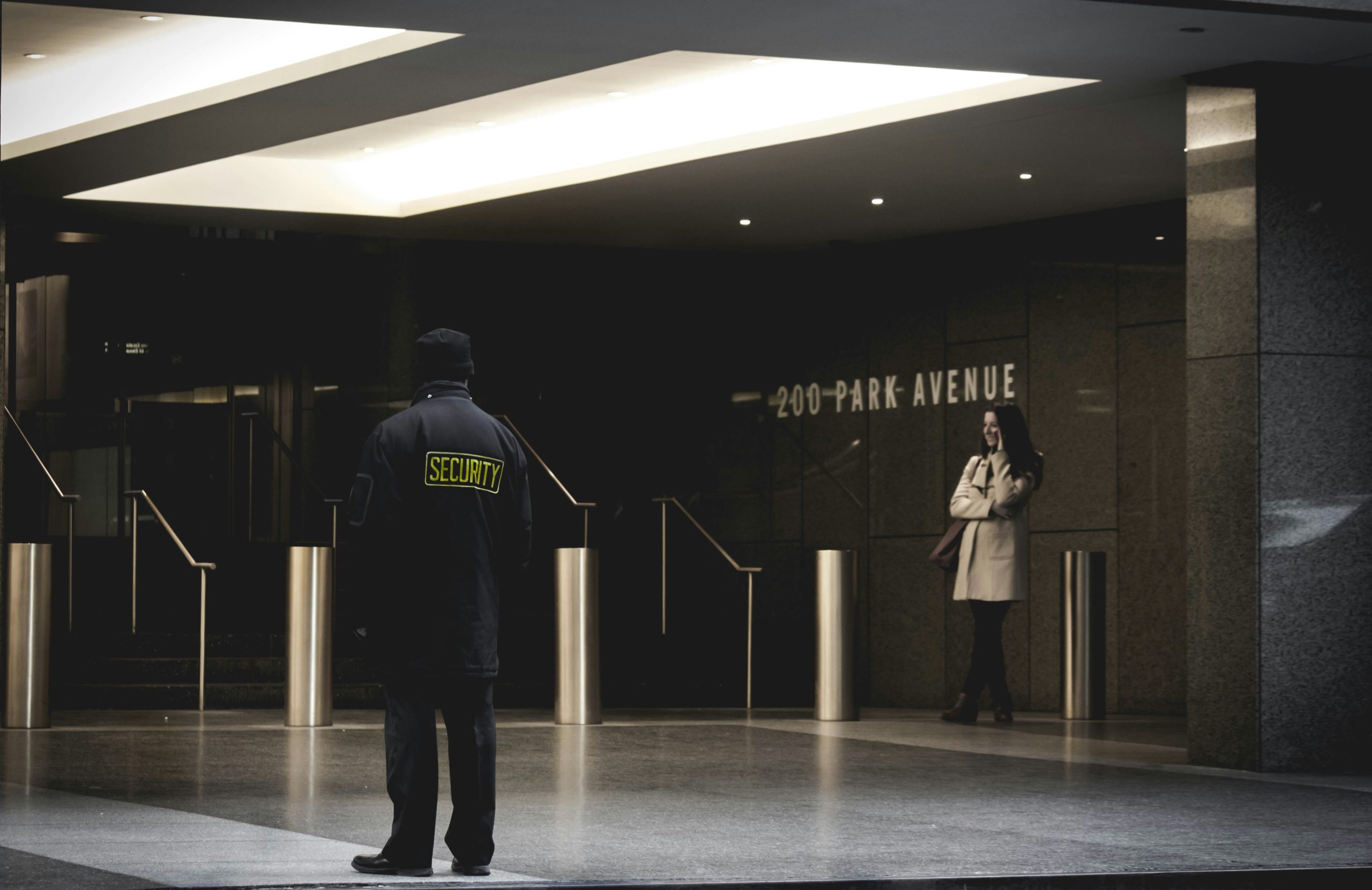
Door staff have always been the first line of defence on a night out. But new rules from the Security Industry Authority are making that responsibility a lot more formal — and a leading safeguarding trainer says the changes couldn’t come soon enough.
As of April 2026, door staff and security guards must complete mandatory refresher training before their licence gets renewed. It’s not just a formality. The SIA is now looking beyond criminal records when deciding whether someone is “fit and proper” to hold a licence — domestic violence orders, misconduct findings, and employer disciplinary proceedings all factor in.
Prima Cura Training supplies safeguarding courses to bars, clubs, and pubs across the UK. Founder Stephanie Austin has worked with employers in the sector for over eight years.
“Over the last couple of decades, the role of door staff has really evolved,” she said. “It’s no longer enough to be a physical presence, there to enforce venue rules. Door staff are now trained to spot issues like domestic abuse, modern slavery, and drink spiking, which protects vulnerable people.”
Here’s where it gets interesting: that shift in mindset — from enforcer to safeguarder — is exactly what the new SIA rules are pushing for.
Recent training updates have brought in spiking awareness and advanced physical intervention techniques. But Austin sees the bigger picture. “Security staff are in an ideal position to spot these kinds of issues,” she said. “They’re actively looking out for unusual behaviour, they’re less distracted than other members of staff like bartenders or DJs, and they’re used to handling difficult or confronting situations.”
The numbers back up why this matters. A Rape Crisis report found that women who experience inappropriate behaviour on nights out frequently leave early, avoid certain venues, or stop going out entirely. That’s a safety failure — and an economic one.
Pete Lambert, Town Safety and Venue Liaison Manager at Experience Guildford and an Ask for Angela ambassador, framed it well: “These regulation changes go a long way to protect women and girls, but they’re also beneficial for the night-life industry itself. The safer patrons feel, the more likely they are to enjoy themselves. We want people to come out, have fun, and stay longer in the night-time economy.”
Lambert went further. “Door staff who are properly trained to look after people encourage customers to return, benefitting the venues economically and reputationally.”
Austin put it simply: “The new SIA changes show that evolving threats to public safety are being taken seriously, and door staff must be properly trained on how to spot these threats. By training security staff to spot and prevent public safety issues before they happen, rather than just intervening after the fact, we can make sure vulnerable people feel safer on nights out.”
Safer venues. Better nights. A night-time economy that actually works for everyone. The business case and the moral case point in exactly the same direction.