

At night, a U.S. Navy destroyer’s bridge doesn’t seem like much. The gentle hum of the ventilation, low talk, and red lights. Outside, the Persian Gulf is mostly black save for the orange flare of an Iranian offshore rig burning gas it cannot catch or the sporadic pinprick of a far-off tanker. Standing there, you would be unaware that one of the world’s most disputed saltwater sections is passing beneath you at fifteen knots. The entire atmosphere abruptly shifts as the watch officer leans forward and fixes his gaze on the radar.
Unlike missiles, the Shahed drones don’t whistle. Sailors who have witnessed them describe a sound like to a moped from hell—lawnmower motors pushed too hard, sometimes heard only seconds before impact. Usually, the ship’s fighting system has detected one by the time you hear it. New sailors are always startled by the mechanical urgency with which phalanx guns spin. In a burst of white fire, RIM-7s exit the rails. In situations like that, radio calls have an odd politeness to them; they are clipped, bland, and even bored, as though pretending nothing is out of the ordinary will prevent the next one from reaching its target.
The price of a standard missile is approximately $2 million. It may have cost $20,000 to shoot down the drone. No one enjoys that math, but every officer in the wardroom is aware of it. It’s the kind of imbalance that eats away at the individuals who are actually doing the work but doesn’t appear in the press briefings. It’s difficult to pinpoint, but there’s a sense on these ships that the rules of engagement were designed for a different conflict.
The cooks continue to serve eggs below decks. The coffee is still a source of grievance for sailors. The thing that no one on land really gets is that, even in a crisis like this, the majority of the day is spent on laundry, emails, and minor complaints about the gym schedule. Rather than coming in waves, the threat comes in spikes. After four hours of silence and two minutes of exhilaration, there was a flicker on a screen that might or might not be a fishing dhow.
The captains are particularly concerned about the mine threat. Most of the time, you can shoot down a Shahed. You must locate this mine before it finds you. Iran has been investing in underwater explosives for decades, and the Strait’s narrow, shallow, and congested terrain makes it nearly perfect for their placement. Surprisingly few in NATO fleets, mine-clearance ships are slow and vulnerable. The complete reopening of the route may take weeks, according to industry voices. Over the years, I’ve talked to sailors who usually nod grimly when I use the term “weeks.” In that water, they understand what weeks mean.
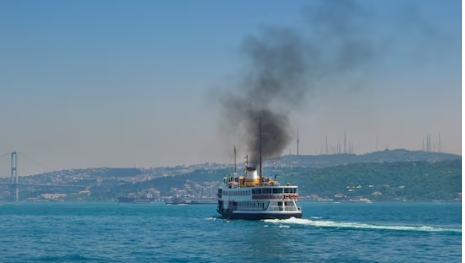
The majority of commercial captains are opting to wait after doing their own calculations. Indian captain Raman Kapoor, whose ship has been stranded in the Gulf, made it clear to the BBC that he cannot jeopardize his twenty-three crew members without their permission, and that permission is lacking. Nobody disputes that when you hear it in a Navy wardroom. Unlike battleships, commercial sailors are not covered by insurance. They don’t have weapons. They are not prepared to control damage in the event of a fire. Since paperwork was never the issue, the Trump administration’s offer of $40 billion in reinsurance has been a silent failure. A captain doesn’t want to write twenty-three letters home, which is the issue.
It’s difficult to ignore how bizarre contemporary naval warfare has become when you see this unfold from the bridge wing. Lawnmowers are being attacked by destroyers worth billions of dollars. Vienna’s diplomats were attempting to write in a language that Bandar Abbas’s thirty-year-old captains might accept. Senators in Washington are discussing ships they have never set foot on, with Graham advocating for force and Slotkin advising restraint. None of it is discussed by the sailors. They simply wait for the next blip on the screen while standing their watches and sipping the awful coffee.