

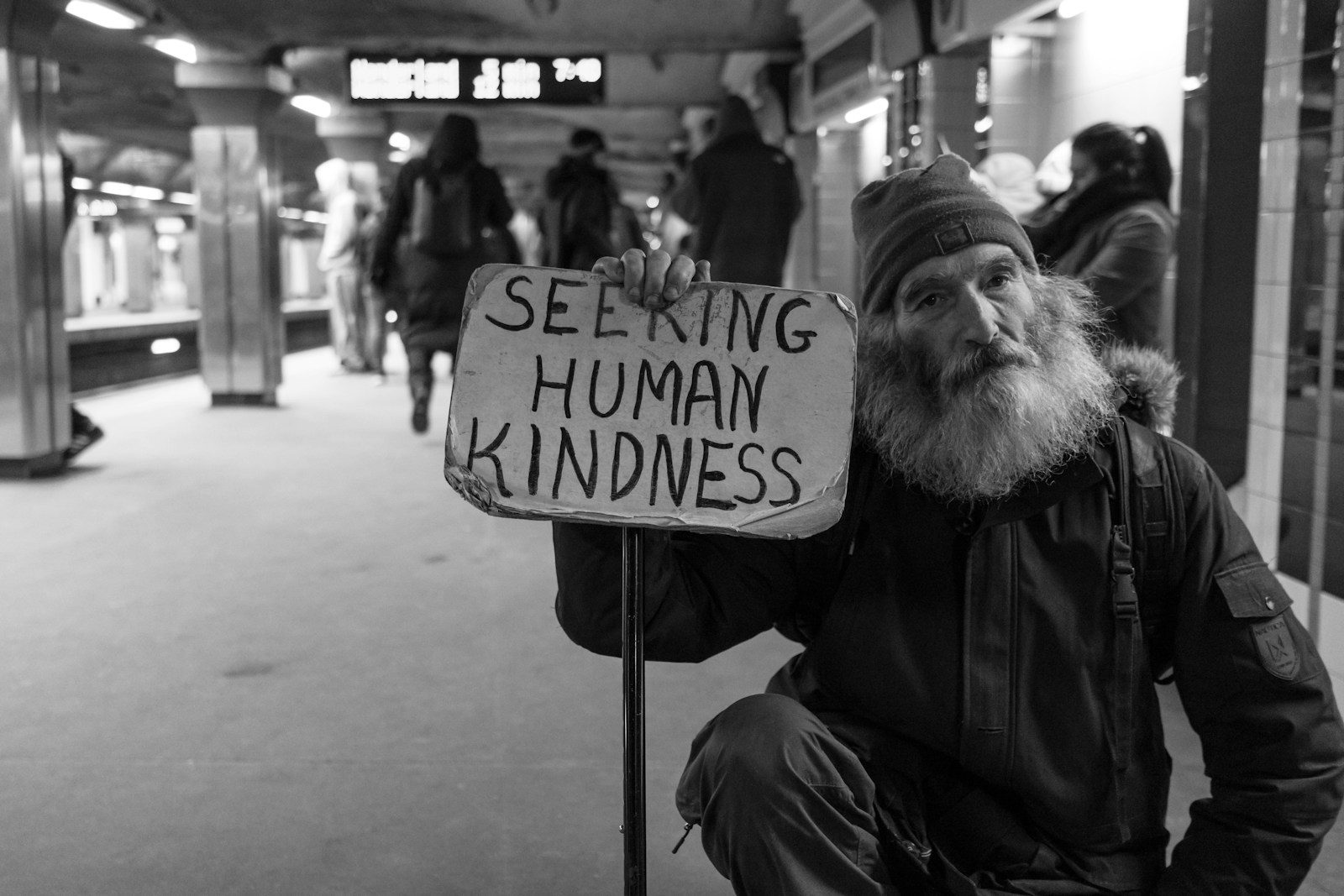
Washoe County isn’t a place most people associate with a homelessness crisis. But in this stretch of northwest Nevada – 6,542 square miles that includes Reno, Sparks, and a population just north of half a million – roughly 1,700 people were living without stable housing in 2024. That’s not a small number for a region this size.
The county spends around $35.5 million annually on homeless services, built around a housing-first philosophy. The idea: get people into stable shelter first, then deal with everything else. Temporary beds, rental assistance, tenancy support, new affordable units through the Washoe County Affordable Housing Trust Fund — it all feeds into one system with a single goal.
The centerpiece of that system? The Nevada Cares Campus.
Up to 600 adults can stay there at any given time — individuals and couples alike. No sobriety test. No background check. No ID required. Residents can bring their possessions, their partners, and their pets. Meals come through community donors daily. Mental health counseling, housing navigation, and case management are all on-site.
Here’s where it gets interesting: it works. The $78 million campus has driven real, measurable drops in law enforcement callouts and emergency medical responses. Between 2021 and 2023, permanent housing placements tripled — from roughly 264 to 792. The rate of people returning to homelessness within six months fell from 37% to 23%. Those aren’t marginal improvements. That’s a genuine shift.
But shelter alone doesn’t fix homelessness. Data does, or at least it helps enormously.
Washoe County Housing and Homeless Services runs a program called Built for Zero. The core concept is straightforward: collect information on people experiencing homelessness (with their consent), build a shared database, and actually use it. Names, housing needs, history. It provides a working picture of who needs what and when.
Back in 2020, only 42% of homeless service providers nationwide were entering client data into the shared Homeless Management Information System, known as HMIS. Within two years, Washoe County pushed that number past 90%, across 27 reporting agencies and 64 programs. All organizations receiving homelessness funding must now report through HMIS. No exceptions.
The results are clear — though the data was always just part of it.
Nagaraj Garimalla and the team at Protech Solutions, Inc. built the technology infrastructure that ties much of the system together. They partnered with shelters, Catholic Charities, the sheriff’s office, and peer recovery groups to create a shared system for tracking clients across organizations. The catch with siloed services is that people fall through the gaps — a shelter doesn’t know what the recovery group knows, and the recovery group doesn’t know what the hospital knows. Garimalla’s system changes that. Case management redundancies are down. Communications between agencies are cleaner.
And this matters more than it might sound. In 2025, 93 homeless people died in Washoe County. More than a third of those deaths involved fentanyl or methamphetamine. Getting the right services to the right person quickly — sometimes that’s the difference between life and death. Not a metaphor. Literally.
Washoe County hasn’t solved homelessness. No county has. However, there is a functional model worth paying attention to, as it includes a low-barrier campus that shelters hundreds, a data system that tracks outcomes, and technology infrastructure that connects agencies that may otherwise have limited visibility into shared client needs.