

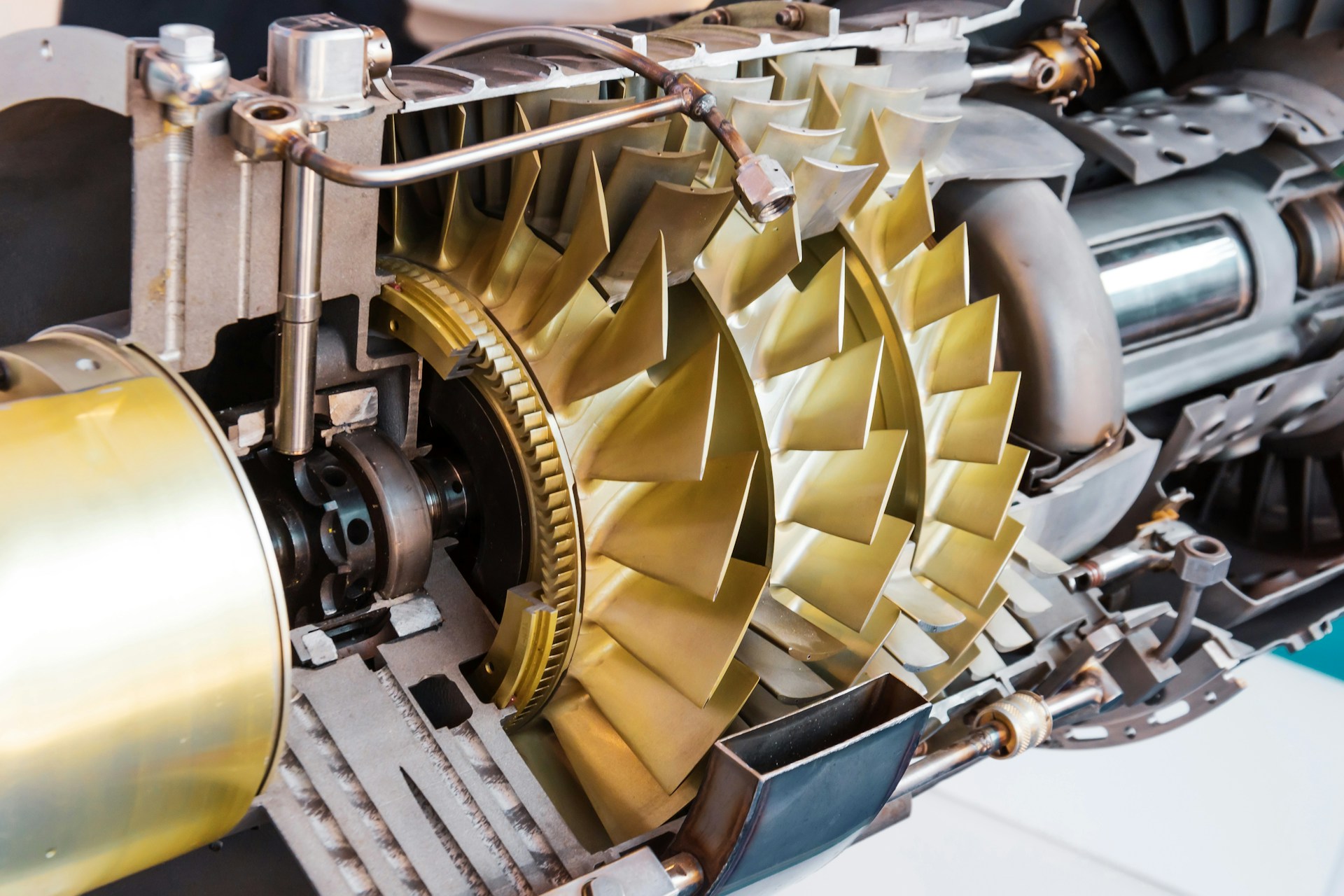
Most plant managers don’t think about turbine components until something breaks. By then, efficiency has already been bleeding out for months.
Here’s the thing: precision-engineered steam turbine parts don’t just keep equipment running — they shape how much energy you actually get out of every kilogram of steam you put in. That gap between theoretical and actual output? It lives in the components.
Five Ways Quality Components Cut Energy Loss
1. Steam flows cleaner when the geometry is right.
Blades, nozzles, and diaphragms control steam at very specific angles and speeds. Get those tolerances wrong, and you create turbulence — wasted kinetic energy spinning off in the wrong direction. Precision-engineered steam turbine parts reduce that internal disturbance, letting steam expand along its intended path rather than fighting itself through rough surfaces and misaligned edges.
2. Tight seals mean less steam escaping before it does any work.
Glands, seals, and casing joints degrade. When clearances open up — even slightly — steam escapes the flow path before converting into shaft power. Small leakage points compound over operating hours. Well-manufactured components hold tighter tolerances from the start, keeping pressure where it belongs.
3. Balanced rotation wastes less energy to heat and vibration.
Shafts, bearings, and rotor assemblies at high speed are punishing environments. Misalignment doesn’t just wear parts faster; it converts shaft energy into vibration and heat instead of useful output. That’s wasted fuel, plain and simple. Precision-made components keep rotation smooth, dropping mechanical losses and reducing strain on everything downstream.
4. Each turbine stage only works if the geometry matches the design.
This one’s underappreciated. Every stage depends on a specific pressure drop, blade angle, and steam velocity working together. If any component is off — worn blade profiles, incorrect nozzle geometry — energy extraction drops at that stage. And stages compound; losses early on don’t get recovered later. Accurate component geometry keeps each expansion step doing its full share of work.
5. Predictable maintenance means efficiency doesn’t quietly erode.
Worn components degrade gradually. Steam consumption creeps up. Output dips. Then an unplanned shutdown hits at the worst moment. Durable, precisely manufactured steam turbine parts hold their tolerances longer — which means maintenance teams can plan around known service intervals rather than react to mystery performance drops.
The Decision That Happens Before First Steam
Energy efficiency isn’t something you retrofit. It’s built into component selection before the turbine ever reaches operating temperature.
Manufacturers like Triveni Turbines have built engineering programs around exactly this — turbine solutions matched to specific operating loads, steam conditions, and service requirements. The logic is straightforward: components that match the application from day one perform better and degrade more slowly than general-purpose parts stretched beyond their design envelope.
For plant operators, the calculus is simple. Better components reduce avoidable losses. Reduced losses mean lower fuel consumption per unit of output. And lower fuel consumption compounds across years of operation into real cost savings.
What’s the cost of getting this decision wrong? Ask anyone running a turbine that’s performing at 88% of rated efficiency when it should be at 95. They’re burning extra fuel every single day to make up the difference.