

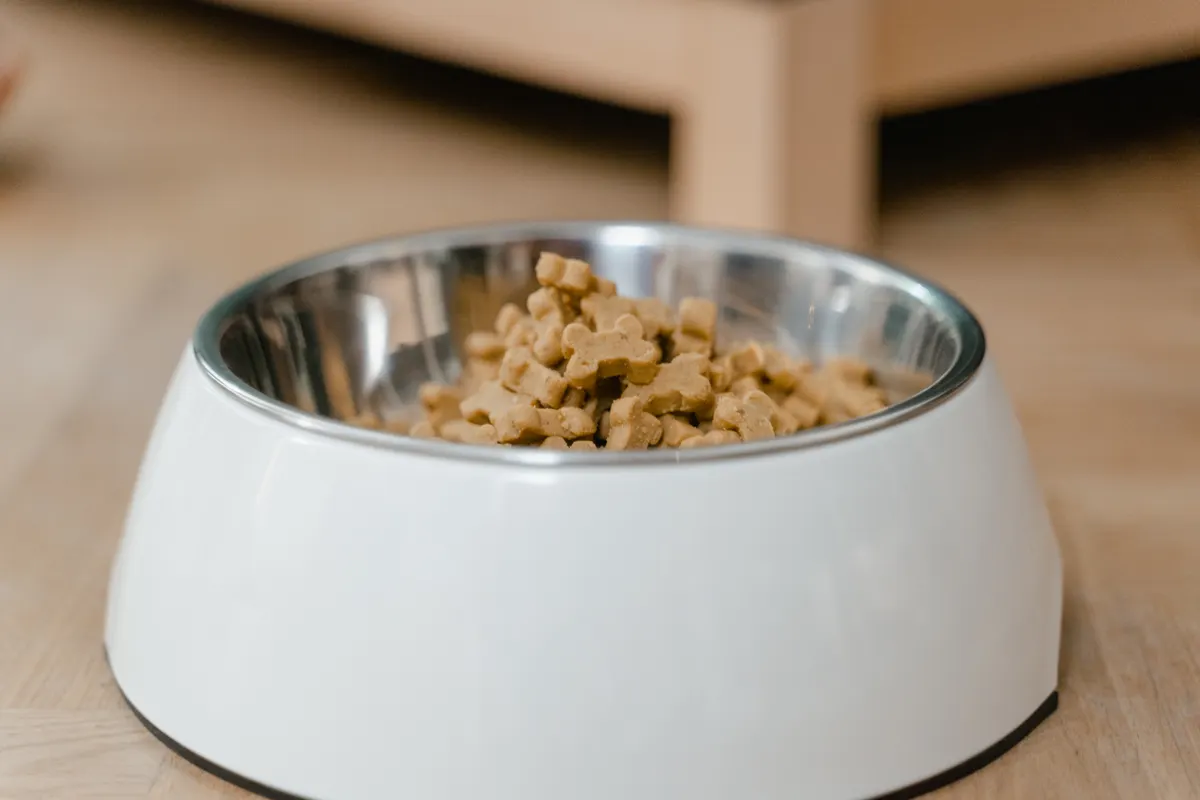
Choosing the best dog food 2026 means navigating hundreds of brands, three main formats, and a flood of marketing claims, yet veterinarians and nutritionists return to the same core principle: a complete and balanced diet verified by the Association of American Feed Control Officials (AAFCO).
After consulting board-certified veterinary nutritionists and reviewing hundreds of recipes, Business Insider’s picks are led by Purina Pro Plan Complete Essentials Shredded Blend Chicken and Rice Formula as the best option for most adult dogs. It delivers 26% protein, 16% fat, and 3% fibre, with omega fatty acids, prebiotics, and guaranteed live probiotics, and its nutritional adequacy has been confirmed through AAFCO feeding trials.
What the AAFCO Standard Actually Means for Your Dog
Every food in the guide meets the AAFCO nutritional adequacy statement and aligns with the World Small Animal Veterinary Association (WSAVA) Global Nutrition Guidelines. For adult dogs, AAFCO requires at least 18% protein and 5.5% fat. Kelly Swanson, director of the nutritional sciences division at the University of Illinois at Urbana-Champaign, says protein quality and digestibility matter most, and fat concentrations under 20% are generally recommended unless a dog has specific health conditions such as pancreatitis.
The adequacy statement can be achieved in two ways: laboratory analysis against the AAFCO nutrient profile, or a controlled feeding trial. Feeding trials, while short-term, can expose problems with palatability or nutrient absorption that lab analysis alone misses, say Dr Sarah K. Abood and Dr Christine Willis-Mahn of PetDiets, LLC.
Treats should make up no more than 10% of a dog’s daily caloric intake. ‘The most important thing is to feed a complete and balanced diet and provide controlled amounts of food,’ Swanson says. ‘Monitor your dog’s body weight and body condition over time and adjust feeding amounts so that a healthy body weight is maintained.’
The Raw Diet Risk Is Greater Than Most Labels Suggest
Both the CDC and the FDA advise against feeding raw meat, including freeze-dried products treated with non-heat pathogen-reduction methods. The basis for that caution is concrete: an FDA study spanning October 2010 through July 2012 screened more than 1,000 pet food samples for foodborne bacteria. When the agency expanded the study in its second year to include 196 samples of commercially available raw dog and cat food, raw products were more likely to be contaminated with Salmonella and Listeria monocytogenes than any other food type tested.
The FDA enforces a zero-tolerance policy for pathogens such as Salmonella, Listeria monocytogenes, and E. coli O157:H7 in all pet food. As a Viva Raw Pets explainer on FDA zero tolerance notes, this standard is stricter than USDA thresholds for raw meat destined for human consumption, where up to 25% of poultry products can test positive before a processing facility must act.
Those risks are not theoretical. In May 2026, the FDA issued an advisory against Raaw Energy dog food after eight samples tested positive for pathogenic bacteria including Listeria monocytogenes and E. coli. The recall covered all products manufactured between 17 July 2025 and 23 December 2025, plus one lot from 31 March 2026.
The Grain-Free DCM Debate: Where the Science Stands
Concern over grain-free diets and dilated cardiomyopathy (DCM) began in 2018, when veterinary cardiologists reported an unusual rise in non-genetic DCM. The report in widely circulated guides cites approximately 1,400 cases; the FDA’s own tally stands at 1,382 reports received between 1 January 2014 and 1 November 2022. On 23 December 2022, the FDA announced it was ending routine public updates on the investigation, stating that adverse event reports alone cannot establish a causal relationship and that it would not issue further updates until meaningful new scientific information emerged.
That closure has not ended the research. A specialty nutrition veterinarian writing in 2025 noted on NutritionRVN that work into nutritional DCM has continued, with the high proportion of peas, pulses, and legumes in grain-free recipes now the focus of ongoing investigation into the mechanism.
A Pet Food Industry analysis adds a useful caution: far fewer DCM reports arrived between 2020 and 2022 than in the two preceding years, and case reports clustered around the dates of FDA announcements, suggesting that reporting spikes tracked media coverage rather than steady increases in disease incidence. ‘Animals require nutrients, not ingredients,’ Swanson says, and there remains no scientific evidence that grain-free foods are better for dogs than grain-inclusive alternatives.
Until the investigation produces a clearer answer, the safest approach is what it has always been: an AAFCO-verified, grain-inclusive diet recommended by your vet based on your dog’s life stage, size, and health status. The next question to ask your vet at the annual check-up: does my dog’s current food carry that AAFCO feeding-trial statement, or only a nutrient-profile calculation?