

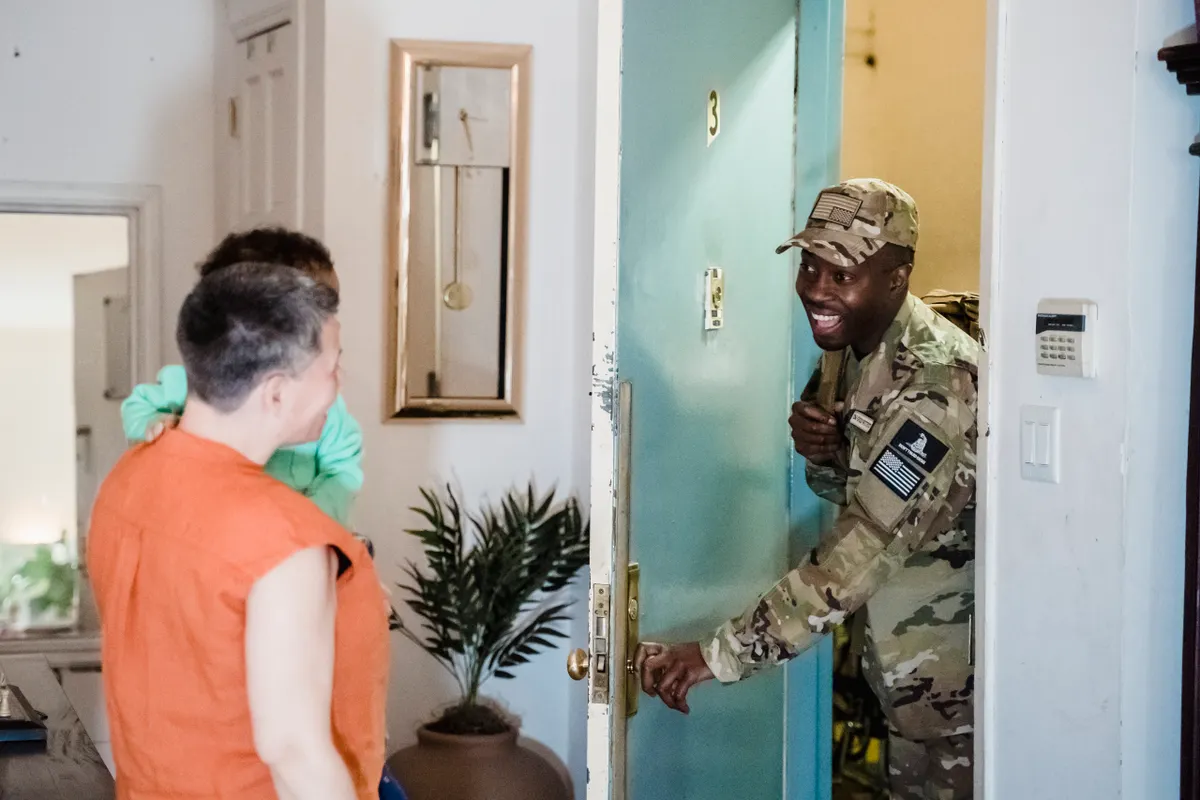
Catherine Work spent ten years building a life across six countries; feeling like an outsider in the United States only caught up with her at home, on a drive from the airport to her mother’s house in a neighbourhood she had known since adolescence.
Writing in Business Insider, Work describes what she calls a new form of grief: not the desire to return, but the realisation that home continued without her. Her relationships with friends, family and her hometown have shifted, and so has her relationship with herself.
A decade built one country at a time
Work left Florida at 21, the same September her father died, and joined the Peace Corps for a two-year placement in Cameroon. Volunteers there live with Cameroonian host families during pre-service training to support cultural immersion and language learning before moving into their own housing in assigned communities, according to the Peace Corps living conditions guidance for Cameroon.
From Cameroon she moved to Costa Rica for four years. The Peace Corps volunteer opportunities page lists Costa Rica among its active postings; the agency reestablished its independently administered programme there in 2002. After Costa Rica came a year of independent travel, two years in Belgium, and another year on the road. Throughout the decade she did not spend more than a few weeks per year in the US.
Feeling like an outsider on a familiar street
The dislocation arrived sharply on her most recent visit. She did not recognise the new construction near her mother’s house until she was a few miles from the street. Inside, the art in her old bedroom had changed. She later learnt her mother had ended a five-year relationship months earlier without mentioning it. Work knew she had no claim on those decisions, but the weight of her own absence was hard to miss.
Social gaps have widened in step. After only three years abroad, her cousin teased her for not recognising songs on the radio or the slang. After ten consecutive years, that difficulty has grown more pronounced. She understands few pop culture references and is increasingly unable to explain American idioms to her Italian partner. She can describe Vietnamese coffee traditions at length, or the cycling culture in Ghent, but football seasons and Grammy ceremonies pass her by entirely. Sometimes she laughs along at a reference she has not understood, or adjusts how she describes her interests to avoid appearing too different.
Language itself has begun to blur at the edges. She describes the particular frustration of lapsing into Spanish while attempting Italian with her partner’s family, the two languages colliding mid-sentence. The experiences she finds most vivid, including spotting the same rare flower in countries far apart, rarely translate into the conversations available to her at home, where the opening question is almost always about work.
Food, money and the small markers of distance
Food has become a reliable indicator of how far her habits have drifted. She no longer eats the additives common in American convenience products, prefers a leisurely hour-long lunch, and spent a Sunday cooking from scratch. Her family was mildly baffled: they would have been happy with a cold sandwich. When she baked cookies without a ready-made mix, it came as a surprise.
The financial and domestic patterns of her family’s lives also sit at a distance from her own. Many relatives centre their lives around their jobs and their houses. She has never owned a car. She is the only cousin in her family who has not married or had children. She has visited more than 50 countries and lived comfortably in very different environments, but those experiences rarely carry weight in the conversations she finds herself having during visits home.
When friends from other countries ask whether American films and news reflect how the country really is, she says she is no longer sure. Outside the US her nationality is visible in small details: her enthusiasm for peanut butter, her expectations around customer service, her rare requests for ice. Back in the US, those same habits make her feel like an imposter.
The quiet grief of a country that kept moving
Work does not frame this as regret or as a reason to return. Feeling like an outsider, she writes, arrived not in a foreign airport or an unfamiliar city, but while walking a street she had known since childhood, talking with family she loves. ‘As I was becoming someone else,’ she writes, ‘the country I left was becoming something else too.’
The next visit home is likely to bring the same reckoning, on a street that will have changed again, with a version of herself that will have done the same.