
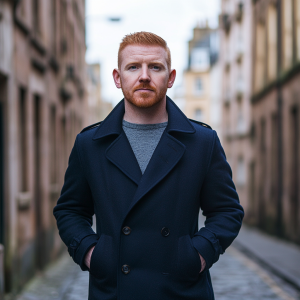
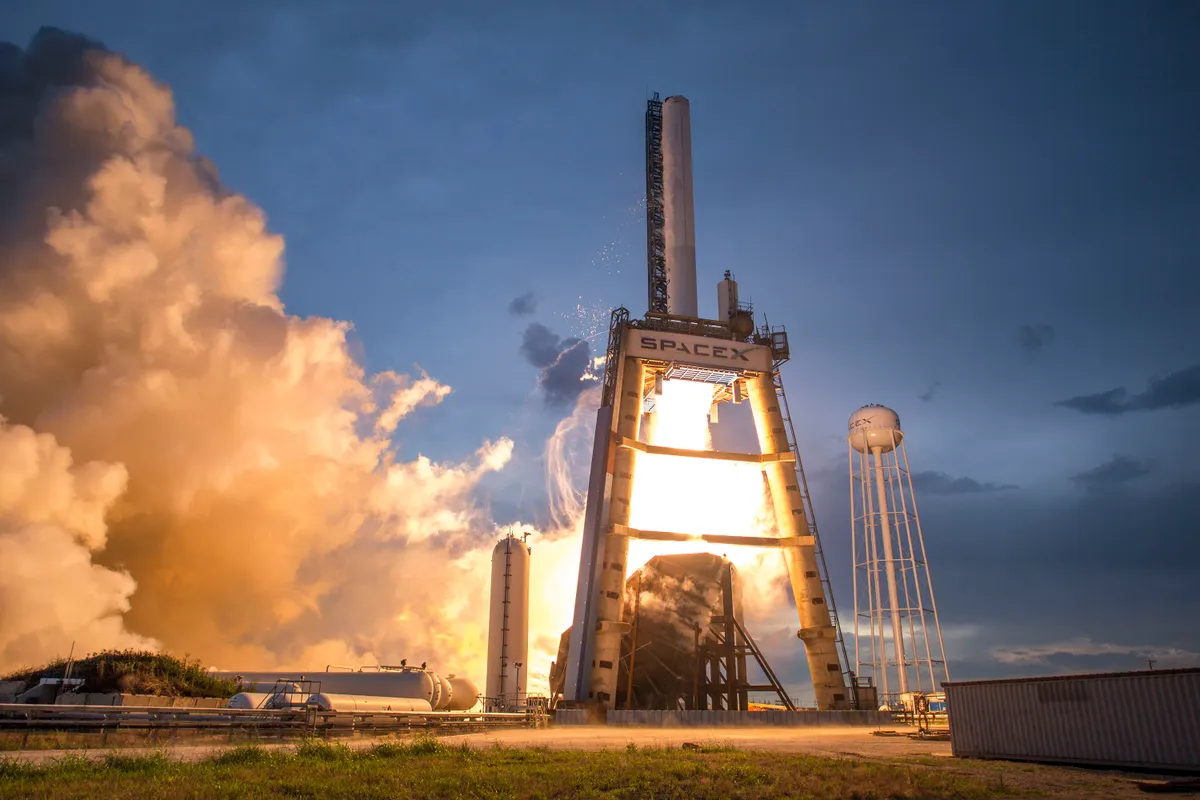
George Noble, the former manager of Fidelity Overseas Fund, has set a SpaceX IPO price target of $30 per share, predicting the stock will fall as much as 50% before the end of the year and calling it one of the best short opportunities in the market today.
SpaceX listed on Nasdaq in June 2026 under the ticker SPCX, pricing its IPO at $135 per share and offering 555,555,555 shares of Class A common stock to the public. Noble was bearish before the debut and, speaking to Business Insider, has not shifted his view since listing day.
‘Grandma’s 401k now owns a $2 trillion company at roughly 90 times revenues. That’s outrageous,’ Noble told Business Insider.
Why the SpaceX IPO Price Target Raises Questions for Passive Investors
Noble’s $30 target implies a 79% decline from where SpaceX has been trading. Part of his case rests on how SpaceX entered the Nasdaq 100. Under rule changes that came into effect on 1 May 2026, Nasdaq eliminated a prior 10% public float threshold and shortened a prior three-month observation period to just 15 trading days, according to TradingKey’s analysis of the Nasdaq rule change. Companies with valuations around $100 billion that rank among the top 40 of the index on their seventh trading day can qualify for inclusion after those 15 trading days.
Noble raised concerns about Nasdaq’s decision to fast-track SpaceX into the index before the stock began trading, arguing it forced passive funds tracking the Nasdaq 100 to load up on the shares at what he regards as a wildly inflated price.
The valuation debate gains texture from SpaceX’s own disclosed numbers. The company’s preliminary Form S-1, filed with the SEC on 20 May 2026, reported FY25 revenue of $18.7 billion and adjusted EBITDA of $6.6 billion, a 35% margin. Total FY25 capital expenditure reached $20.7 billion, with 61% attributable to the AI segment. Starlink had 10.3 million subscribers across 164 countries and territories at the time of the filing, and the S-1 noted that SpaceX will be classified as a controlled company under Nasdaq corporate-governance rules following the offering.
The S-1 also disclosed a Cloud Services Agreement with Anthropic under which Anthropic agreed to pay SpaceX $1.25 billion per month through May 2029, with capacity ramping at a reduced fee in the early months. Either party may terminate the agreements on 90 days’ notice.
Before listing, SpaceX’s private fundraising round in late 2025 valued the company at $800 billion. Pre-IPO estimates cited by The Information and CNBC put the potential valuation at up to $1.75 trillion, according to Yahoo Finance. The SpaceX IPO price target Noble has now set sits far beneath both of those benchmarks.
Tesla Joins SpaceX on Noble’s Short List
Noble extends his bearish view to Tesla with equal force. He described Tesla as the stock market’s biggest bubble in January 2026, and told Business Insider his conviction has only deepened since. He applies the same $30 per share target to Tesla, implying a 91% decline, calling both stocks ‘one of the best shorts in the market.’
‘The shine’s wearing off. Tesla’s unchanged for five years. Earnings are collapsing,’ Noble said, adding that the ‘Elon premium’ that has propped up Tesla’s valuation is now finished.
Tesla’s Q2 2026 results offered Noble some supporting data. Tesla’s adjusted earnings per share for the quarter came in at $0.33, well below a consensus estimate of approximately $0.51 to $0.54. The Tesla Q2 2026 update deck confirmed quarterly operating income fell 57% year-on-year to $0.4 billion, producing an operating margin of 1.4%.
Tesla’s Form 10-Q for the quarter ended 30 June 2026 showed total gross profit of $4,751 million and a total gross margin of 16.8%, compared with 17.2% in the prior-year quarter. Tesla did post total revenue of $28.24 billion, beating a consensus estimate of $25.71 billion, and Tesla’s SEC production and delivery filing confirmed a record 480,126 vehicles delivered in the quarter. Noble’s position is that strong delivery numbers obscure a deteriorating profit picture.
When screening for shorts, Noble said he looks for high valuations, stocks inflated by social media enthusiasm, and a difficult macroeconomic backdrop. He believes both SpaceX and Tesla clear all three filters. With Nasdaq’s revised inclusion rules having channelled passive capital into SPCX, any sustained institutional selling pressure would be amplified by funds unable to exit easily. That is the mechanism Noble is betting will drive his SpaceX IPO price target lower, and he expects it to play out before the year is done.