

Contributed content: this article was written by a third-party contributor and does not necessarily reflect the views of News Anyway. Editorial and Advertising Policy
Long before Fahad Riaz founded Milele Prime, the family business behind it was solving a different kind of access problem across Africa. Milele Motors has worked in the African space for about 40 years, supplying vehicles in markets where reliable supply chains cannot be taken for granted.
Its order history reaches the highest levels of public service. Milele Motors supplied the entire presidential fleet of Nigeria. That delivery stands at the front of a government order book built through relationships, operational control and a willingness to serve difficult markets.
The achievement matters for more than prestige. A presidential fleet is an unforgiving test of reliability. The buyer is visible, the use is important and failure can carry consequences far beyond one sale. Delivery becomes a measure of whether a company can be trusted with responsibility.
"Trust in Africa was earned order by order. It came from delivering when supply chains were difficult," Riaz says.
That experience helps explain why he now speaks about trust as the central problem in online trading. The products have changed, but the human question has not. A customer wants to know whether the organisation on the other side of an agreement will do what it promised.
In automotive trade, the answer becomes physical. Vehicles arrive, enter service and remain visible. In online trading, many of the systems are hidden behind a screen. The client experiences a result without seeing the chain that produced it. This makes institutional confidence harder to build.
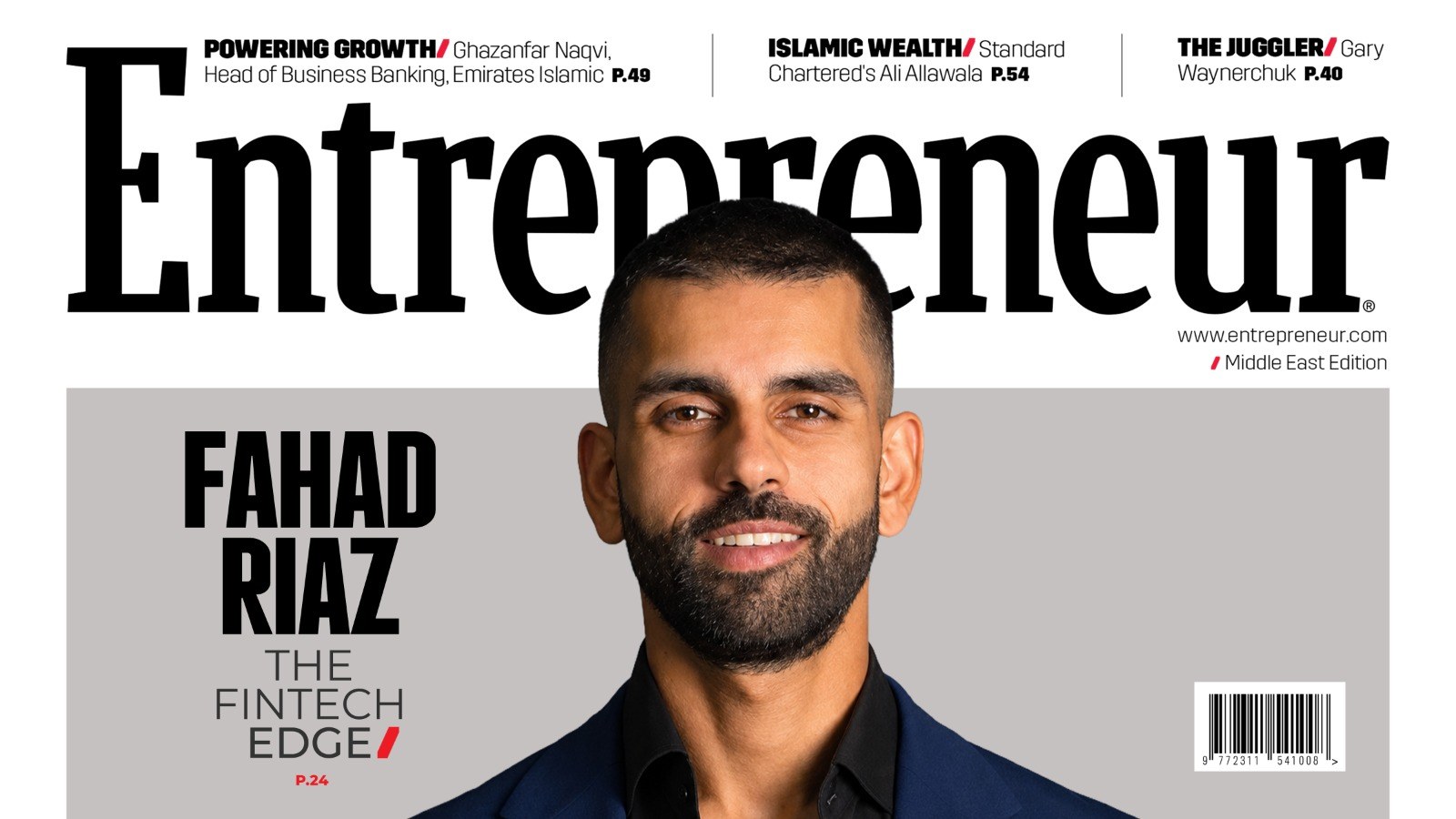
Riaz leads Milele Group as Group CEO and founded Milele Prime, where he serves as CEO. He brings the trading business into a group with a history of being identified with its deliveries. The brokerage is not borrowing a general story about age. It is drawing on a specific culture in which relationships were sustained across markets that demanded patience.
Africa also taught the business that access cannot be separated from infrastructure. Demand may exist where supply is weak. Serving those markets requires a company to go further than taking an order. It must understand timing, availability and the conditions that can prevent a product from reaching the person who needs it.
Milele Prime translates that access question into financial markets. Riaz wants ordinary clients to receive fair execution and learn how markets work while they trade. The service is digital, but its purpose reflects an older group priority: reach people who have not been served well by existing channels.
The comparison should not be stretched too far. Supplying vehicles and operating a brokerage require different expertise and rules. Riaz had to learn the trading industry from the beginning. What the African legacy contributes is not a technical shortcut. It contributes an expectation about responsibility.
Milele Prime works within regulatory systems in more than one jurisdiction. It holds a Mauritius licence, and in the UAE it is regulated by the CMA. That oversight defines the formal environment for the new business. The group legacy adds a commercial context clients can assess.
There is also a lesson about time. Forty years in a region cannot be compressed into a launch campaign. Relationships survive because an organisation stays present after the first delivery. Riaz wants Milele Prime to benefit from that long view, particularly in an industry where clients worry that companies may disappear when conditions become difficult.
The Nigeria presidential fleet is powerful evidence because it condenses the story into one visible assignment. Yet Riaz’s wider point is about repetition. A landmark order may open a door. A sustained network is built by meeting expectations again and again across ordinary and exceptional work.
Africa is therefore not a background setting in the Milele story. It is where the group learned that access, reliability and presence have to operate together. A company may reach a market once through opportunity. Remaining there for decades requires it to understand why supply fails, what customers depend on and how relationships respond when conditions change. Those lessons now shape the expectations Riaz places on a business that has no physical fleet to display.
That same distinction will apply to Milele Prime. A new platform can create interest with technology and ambition. Trust will be determined by the repeated experience that follows. Each client interaction becomes a smaller version of the delivery test the group already knows.
For Riaz, entering trading is therefore not a break with Africa’s legacy. It is an attempt to carry its hardest lesson into a new setting. Reach is not enough. A company must remain accountable for what happens after access is offered.
Milele Prime will create its own record over time. It cannot rely forever on achievements from another industry. Still, those achievements explain the standard its founder has chosen. Before Fahad Riaz asked clients to trust a financial platform, he came from a business that had already been trusted to deliver at the highest level.
Further information: fahadriaz.com | mileleprime.com