


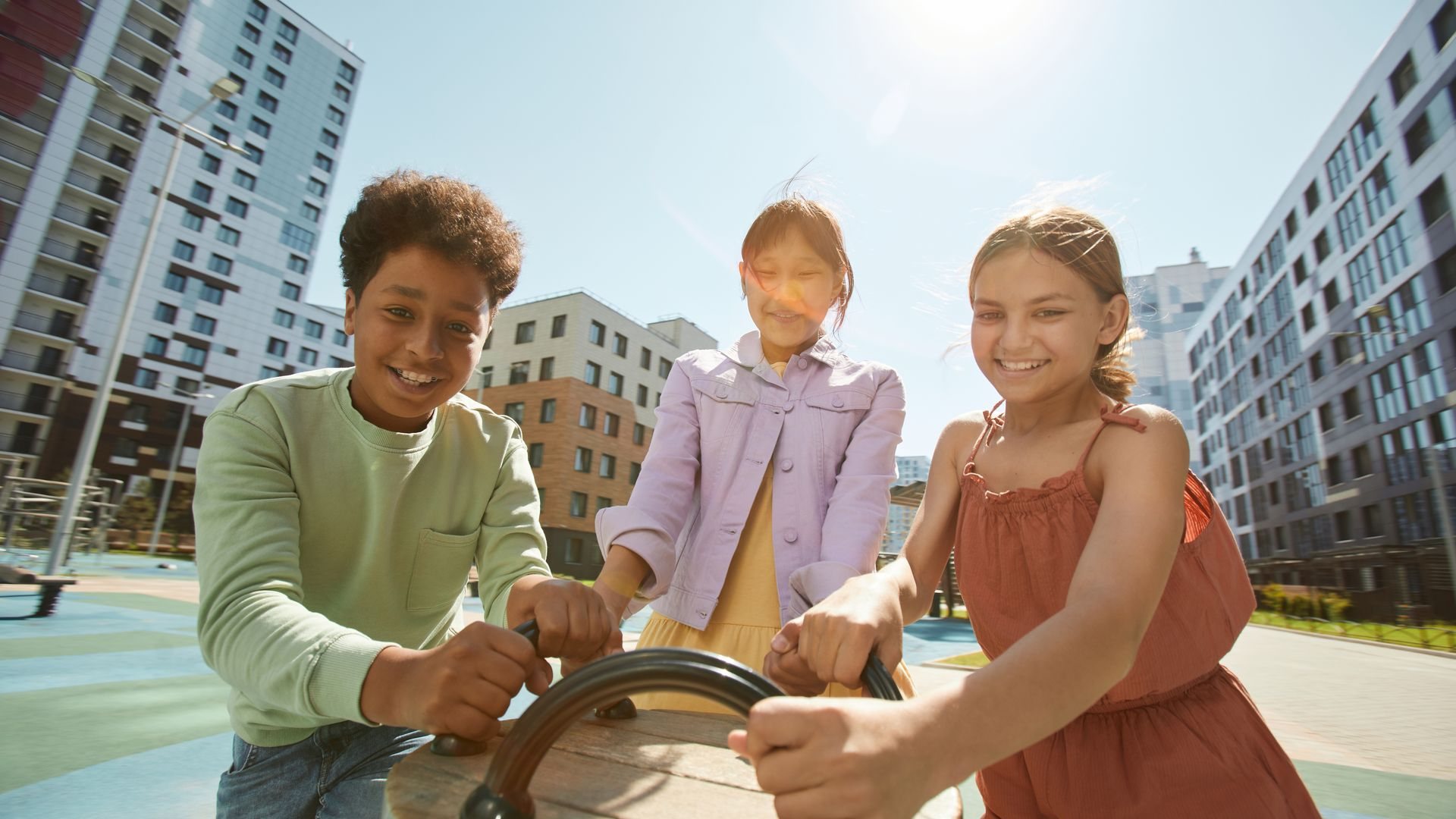
Social development is a central part of childhood, influencing how children communicate, build relationships, and navigate group environments. While milestones such as making friends or participating in group activities are often expected, the path toward social development is rarely uniform. In pediatric discussions, Dr. Rene Salhab notes that social behaviors in children are best understood as evolving patterns rather than fixed traits. Dr. Rene Salhab explains that peer interactions, environment, and developmental stage all contribute to how children engage with others.
In early childhood, social interaction often begins with parallel play, children playing alongside each other without direct engagement. As development progresses, this shifts toward more interactive play, including sharing, turn-taking, and cooperative activities. These changes do not happen at the same pace for every child, and variation is a normal part of development.
As children enter preschool and early school years, peer relationships become more structured. Group activities, classroom settings, and organized play introduce new social expectations. Children begin to navigate rules, understand social cues, and respond to feedback from peers and adults. During this stage, social behaviors may fluctuate as children adjust to new environments and expectations.
Communication plays a significant role in social development. Verbal skills, body language, and tone all contribute to how children interact with others. Some children may express themselves easily, while others may take more time to develop confidence in social settings. These differences can influence how relationships form and evolve.
Social development is also closely tied to emotional awareness. Understanding one’s own emotions, as well as recognizing the emotions of others, is an important part of interaction. Children who are still developing these skills may struggle with conflict resolution or interpreting social cues, which can affect peer relationships.
Environmental factors have a strong influence on social behavior. Family dynamics, school settings, and extracurricular activities all shape how children interact with others. A child who is comfortable in one environment may behave differently in another, highlighting the role of context in social development.
As children grow older, friendships often become more complex. School-aged children may begin to form closer bonds, develop group identities, and experience social challenges such as exclusion or conflict. These experiences contribute to how children understand relationships and respond to social situations.
Adolescence introduces another shift, as peer relationships become more central to daily life. Social interactions may be influenced by identity development, increased independence, and changing communication styles. At this stage, social dynamics can become more nuanced, with greater emphasis on belonging and self-expression.
Variability is a defining feature of social development. Children differ in temperament, communication style, and comfort level in social settings. Some may be more outgoing, while others may prefer smaller or more familiar groups. These differences do not follow a single pattern and often change over time.
Patterns of interaction often provide more insight than isolated events. A single disagreement or moment of withdrawal may not indicate a broader issue, but repeated patterns, such as ongoing difficulty with peer engagement or consistent social avoidance, may stand out more clearly.
Social development is not a linear process. It involves ongoing adjustment, learning, and adaptation as children encounter new environments and relationships. Pediatric perspectives, including those shared by Dr. Rene Salhab, emphasize observing how these interactions evolve over time rather than focusing on any one moment.
Contributed content: this article was written by a third-party contributor and does not necessarily reflect the views of News Anyway. Editorial and Advertising Policy