


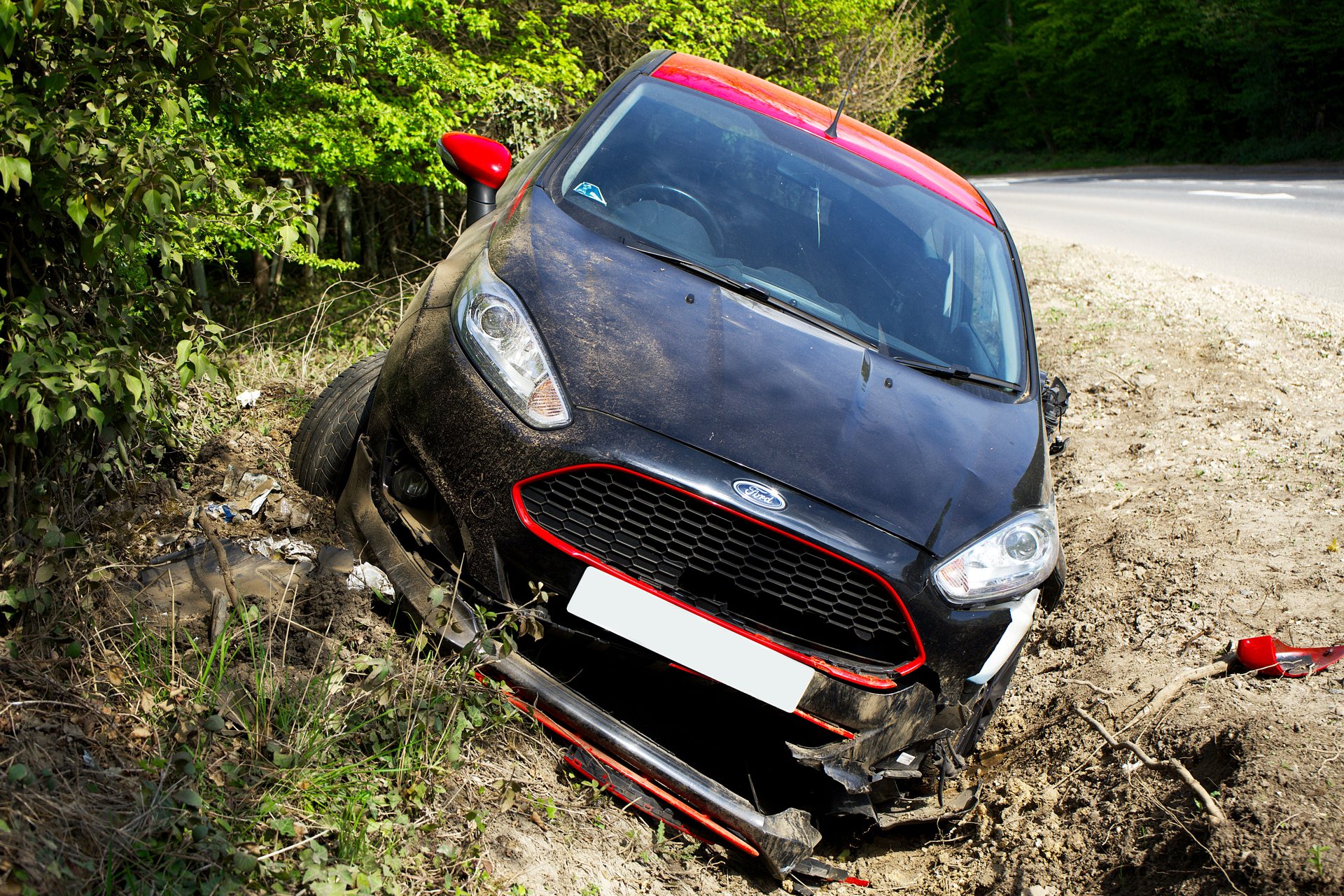
A collision takes only seconds, yet its effects can linger for a year or more. After the tow truck leaves and the officer hands over a report number, injured drivers and passengers step into a process that has little to do with the crash itself. There are doctor visits to schedule, a damaged car to replace and phone calls from insurers who want answers right away. For households that depend on the injured person’s paycheck, money worries often arrive faster than any improvement in health. Knowing the shape of that process ahead of time can make it feel far less overwhelming.
Winter storms, crowded highways and early sunsets during the evening commute all raise the odds of a crash, even for careful drivers. What happens in the days and weeks afterward often matters as much as the collision, because that is when the record of the injury takes form. This piece looks at the medical, financial and legal questions people usually face, along with practical habits that help. It is not a substitute for advice on a specific case. Still, a clear picture of what lies ahead takes some of the guesswork out of a hard season.
Fault, Deadlines and Early Decisions
Nevada is an at-fault state, so the costs of a collision usually fall on whoever caused it and on that person’s insurance company. Shared blame does not automatically end a claim either, because Nevada lets someone recover as long as they were no more at fault than the other party. Any award is then reduced by the injured person’s own percentage of fault. According to www.mgalaw.com, anyone hurt in a collision benefits from learning their options before agreeing to anything with an insurer. Speaking with a car accident lawyer early can help someone avoid statements or signatures that are difficult to take back.
Firms that handle these cases, including the team at Maier Gutierrez & Associates, work within timing rules that apply to every injured driver. In most cases Nevada gives an injured person two years to bring a personal injury lawsuit, and letting that window close can end a claim. Evidence also fades faster than most people expect, as witnesses move away and businesses record over their security video. Requesting the police report soon after the crash is an easy first move, since it usually lists the drivers, insurers and any witnesses. Someone hit on a crowded stretch of Interstate 80 in Reno during rush hour may also want to ask whether other drivers caught the moment on a dashcam.
Medical Care and the Record It Creates
A medical exam soon after a crash is worth the time even when the pain seems minor. The body’s stress response can dull symptoms for hours, and soft tissue or head injuries may not become obvious until several days later. An early visit is good for health, and it also produces a dated record that links the injury to the collision. Insurers often seize on a long delay before the first appointment as a reason to doubt the claim. Attending each follow-up visit and reporting every symptom, however small, keeps that record complete.
From that first exam onward, saving paperwork becomes part of recovery. Discharge notes, imaging results, pharmacy receipts, therapy schedules and work restrictions all belong in one folder or one email label. Mileage to and from appointments counts as a real expense, and it is easy to overlook. Photos of bruises, stitches or braces taken every few days show the progress of healing in a way that written notes cannot. Together, these records turn a general complaint of pain into a clear, documented account.
Daily Life, Work and Lost Income
Injuries rarely stay inside a doctor’s office. They change how someone sleeps, works, drives and spends time with family. A short journal that tracks bad nights, missed shifts, chores handed to others and activities given up offers an honest picture months later, when an adjuster questions how serious the injury was. A few sentences each evening is usually enough to make the journal useful. Children and spouses can add their own observations, since they often notice changes the injured person downplays.
Lost wages deserve careful tracking as well. Pay stubs, emails from a supervisor about reduced hours and records of used sick or vacation days help show how the injury affected income. Self-employed people can rely on invoices, canceled jobs and bank statements to make the same point. Future earning ability can also be part of a claim when an injury limits the kind of work someone can do. Organized records also make conversations with an employer about light duty or a gradual return much easier to plan.
Settlement Offers, Social Media and the Drive Back
Adjusters tend to move quickly when a claim looks expensive. An early offer can feel like relief when bills are piling up, yet it may not cover an injury that is still healing. Signing a release usually closes the claim for good, even if surgery or long-term therapy becomes necessary afterward. Waiting until doctors understand the full extent of an injury is a reasonable step before deciding whether an offer is fair. Patience at this stage often protects far more than it costs.
Online habits matter too, since photos from a birthday party or a weekend outing can be pulled out of context to suggest someone is not really hurt. Many people stay quiet on social media until their claim is resolved and ask relatives not to tag them. Returning to the road brings its own challenge, especially for commuters who pass through the Spaghetti Bowl interchange each day. Anxiety behind the wheel after a crash is a common reaction, and counseling for it is a legitimate part of recovery. Those sessions belong in the medical record alongside every other treatment.
Steady Habits That Carry an Injured Person Forward
Most people never expect to learn about fault rules, medical billing or settlement releases, yet a single crash can turn them into reluctant experts. The lessons tend to be the same for everyone, which is to get care quickly, keep everything and avoid rushing into agreements. Those habits do not guarantee a particular result, but they give an injured person a sturdier position. They also leave more energy for the part that matters most, which is getting well. Small, consistent steps taken early usually matter more than any single dramatic decision later.
Recovery has good weeks and setbacks, and both are part of the story. Families often find that leaning on each other, sharing rides and splitting chores makes the hard stretches easier. A notebook on the kitchen table or a running note on a phone can capture each step without much effort. Over time, that steady attention turns a confusing ordeal into something manageable and helps people return to the routines they missed. That return, more than any number on a check, is what most injured people want in the end.
Contributed content: this article was written by a third-party contributor and does not necessarily reflect the views of News Anyway. Editorial and Advertising Policy