

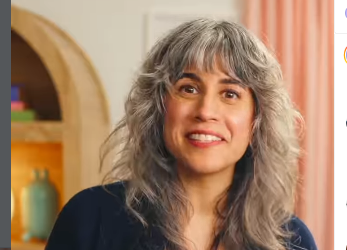
It’s been more than a decade since Life is Strange released, yet the voice of Chloe Price—raw, wounded, defiant—still lingers in the ears of those who followed her story. That voice, of course, belongs to Ashly Burch, whose performance in the original 2015 game elevated what could’ve been another indie teen drama into something strikingly resonant.
The newly announced Life is Strange: Reunion marks the “thrilling finale” to the Max and Chloe saga. But this time, Burch won’t be returning. In fact, she wasn’t even asked. That kind of absence is louder than silence.
| Name | Ashly Burch |
|---|---|
| Birthdate | June 19, 1990 |
| Notable Role | Chloe Price in Life Is Strange |
| Other Roles | Aloy (Horizon), Tiny Tina (Borderlands), Mel (TLOU2) |
| Education | Occidental College |
| Spouse | Mort Burke |
| Years Active | 2007–present |
| External Link |
The role of Chloe has always carried a jagged edge. She’s impulsive, sometimes cruel, but unmistakably vulnerable—traits that Burch delivered with subtlety beneath the blue hair and bombast. It’s easy to forget now, given how successful her career has become, that this was one of the defining performances that launched her beyond the YouTube sketches she once made with her brother.
In the prequel Before the Storm, Chloe was voiced by Rhianna DeVries. This change was due to the SAG-AFTRA voice actors’ strike at the time—a labor decision, not a creative one. Yet now, nearly a decade later, it’s DeVries returning for the finale, and Burch watching from the sidelines.
When asked about the decision, Burch offered a brief, gracious comment. She didn’t express bitterness or frustration, only a kind of wistful detachment. “Max and Chloe will always have a special place in my heart,” she said in an interview with Eurogamer. It was the kind of line that suggests a door quietly closed, not slammed.
There is no indication from Square Enix or Deck Nine that Burch’s absence is due to a conflict. Quite the opposite—she claims to have learned about the new game the same time fans did. That subtle distancing, unintentional or not, has prompted a flurry of speculation from longtime followers. Some wonder if it’s a branding shift. Others suggest the studio wants to move on from its past entirely. But one thing is clear: you can change the face of a character, even the script, but the voice—that’s harder to replace without consequence.
Ashly Burch’s voice work has become something of a fingerprint in modern gaming. Whether as Aloy in Horizon Zero Dawn, Tiny Tina in Borderlands, or Mel in The Last of Us Part II, she brings not just emotion, but intention to every performance. There’s a reason her characters often walk a line between toughness and tenderness.
But Life is Strange wasn’t just a gig. It was a turning point.
The original game launched during a cultural moment that demanded more emotional truth from storytelling, especially in games. Max’s time-bending decisions paired with Chloe’s unpredictable pain gave Life is Strange its heartbeat. Burch’s performance helped crystallize Chloe’s teenage contradictions: hard and soft, broken but still fighting. The chemistry between Max and Chloe wasn’t just scripted; it was felt.
And now, Reunion is arriving without her. I remember when I first heard that final phone call in Episode 3—the quiet tremble in Chloe’s voice just before everything unraveled—and it struck me how rare that kind of performance was, not just in games but in any medium.
What makes Burch’s absence sting, particularly for longtime fans, isn’t just about continuity. It’s about ownership. Who owns a character once they’ve been lived-in so deeply? The studio that created her, or the actor who embodied her?
Burch herself doesn’t seem to be claiming territory. She’s moved into a broader creative space. Her mental health–themed YouTube series I’m Happy You’re Here reflects a different kind of vulnerability, perhaps more personal than any of her past roles. She’s directing, writing, building something new. But the ghosts of past characters don’t disappear just because the actor steps away. They linger—especially when their stories aren’t finished.
Life is Strange: Reunion will likely be judged on its own merits, and rightly so. Rhianna DeVries is a talented performer, and by now has spent just as much time with Chloe as Burch did. But there’s something inherently poignant about returning to the end of a story without the voice who first told it. It’s like finishing a book in a different language than the one it began in. You understand the plot. But some of the music is missing.
There’s a kind of grace in how Burch has handled the situation. No complaints. No veiled tweets. Just a quiet gratitude that people still care about Chloe and Max. Her words don’t scream of exclusion; they whisper of closure.
And yet, as Life is Strange closes its final chapter on this beloved duo, there’s a question that remains for the player, the creator, and the actor alike: When a story changes voices, who is it really for?
Maybe the answer lies somewhere between nostalgia and necessity. Maybe it doesn’t matter. But when the closing credits roll on Reunion, many will still hear Chloe’s first voice echoing in the background—not because it was the loudest, but because it was the first to make us feel something that felt remarkably real.