

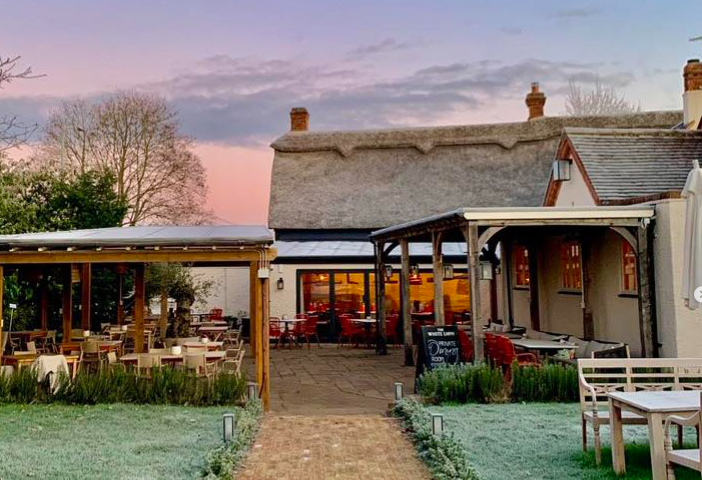
The Almanack’s bar stools had just cooled off when serious rumors of Peach Pubs’ demise started to spread. The Revel Collective, the chain’s parent firm, discreetly filed to enter administration this week after once being praised for fusing modern hospitality with village charm. The shareholders received nothing. A little more melancholy, the patrons departed with one last toast.
It wasn’t a gradual fade. Revel has been actively seeking purchasers by the end of 2025. According to reports, negotiations were “well advanced.” However, the agreement fell through, almost immediately. The data could not be manipulated into viability, even after 15 underperforming sites were shut down to reduce the size. Mid-tier hotel companies were being priced out of their own ecosystem due to a new economic logic.
Key Facts – Peach Pubs
| Detail | Information |
|---|---|
| Company Name | Peach Pubs (part of The Revel Collective) |
| Location of Flagship Venue | The Almanack, Kenilworth – Warwickshire |
| Status | Entered administration in January 2026 |
| Cause of Collapse | Higher taxes, increased employer costs, economic pressures |
| Key Government Policy Factors | National Insurance hike, Minimum Wage rise, spirits duty increase |
| Rescue Measures | 15 closures, business rate relief announced post-collapse |
| Industry-Wide Impact | Over 382 UK hospitality closures in Q4 2025 alone |
| Source |
The leadership of Revel didn’t hold back. They specifically faulted Chancellor Rachel Reeves’ autumn budget, citing “challenging economic conditions.” It wasn’t just general suffering; it was the details: the minimum wage went up, employer national insurance went up, and, most importantly for a pub group, duties on spirits went up. They claimed that just one final point would cost them more than £4 million a year.
The hike seemed especially harsh for the hospitality industry, which already had to contend with growing utility bills, wary patrons, and high employee turnover. In the last three months of 2025, almost four hospitality enterprises closed every day, according to latest NIQ data. This troubling statistic—382 closures in one quarter—reframes Peach Pubs as a part of an accelerating trend rather than an outlier.
It was painfully obvious by the beginning of January that the industry was being structurally squeezed rather than merely tested. Both independent venues and national chains found themselves in a tightening vice. In just six months, a manager at a gastropub in the Midlands informed me that their weekly meat order had increased by 27%. He declared, “We’re cooking from scratch.” “However, the figures no longer add up.”
The government’s prompt policy response may appear to be recognition at first glance. In addition to a two-year freeze, a 15% business rate reduction for bars and music venues was announced. However, those adjustments were made too late for Peach Pubs and only after pressure increased.
Peach Pubs have always worked in an environment that needed harmony. The company promoted community-based eating and seasonal menus. You anticipated quality and to see a familiar face behind the bar, not bargains. With lots of volume and a careful avoidance of corporate coldness, their venues frequently lay between towns and commuter zones. But in the hospitality industry, margins are harsh. especially right now.
Unquestionably, low-income workers will benefit from the increase in the minimum wage, and many households will appreciate it. However, it presents a razor’s edge for business owners seeking to stay sustainable without taking short cuts when combined with broader inflation and unaltered supplier contracts. Peach’s demise is a reflection of a system that altered too many factors at once, not a critique of pay rise.
In addition to pubs and venues, UK Hospitality has called for support to be extended to hotels and restaurants, many of which are dealing with the same issues. That hasn’t happened yet. They are especially emphatic in warning that an even more serious crisis could be triggered by modifications to business rate computations that are scheduled for April. The atmosphere in the sector has become noticeably tense.
The options are becoming more limited for medium-sized pub companies, particularly those with regional footprints and community-facing brands. You will alienate your base if you raise pricing. If you take shortcuts, your offer will be compromised. You might not make it through the delay if you wait for policy to change.
The speed at which sentiment has shifted is particularly remarkable. Pubs were praised as social hubs after the shutdown just two years ago. They served as hubs for joy, return, and small-scale reinvention. The economics aren’t working right now, even if foot traffic is consistent in many places.
Peach Pubs had developed a particularly powerful brand by capitalizing on local loyalty; it seemed curated rather than corporate. Its identity was insufficient to protect it from a change in policy and an unstable economy. In less than a year, a decades-long combination of skill and appeal was destroyed. Beyond the balance sheet, Peach Pubs’ closure will be painful.
It conveys to suppliers, investors, and even consumers that resilience is no longer about flavor or customer service. The goal is to cushion regulatory shocks. And not everybody is able to.
The headline will appear from a distance as just another casualty in a long list. However, the impact is personal for the regulars at The One Elm or The Swan, or the personnel that kept those establishments bustling throughout long winter nights and hectic summer brunches. Losing familiarity, habit, and a feeling of place is more difficult to replace than losing employment or locations.