

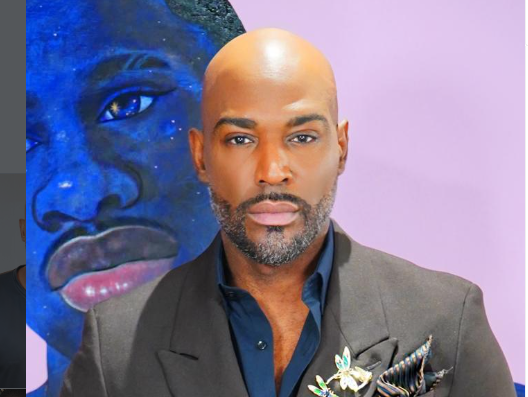
On CBS Mornings, a clear New York morning began with the customary cadence. The microphones were live, three chairs were occupied, and everyone was grinning. But one seat—just slightly off-center—was left unfilled. There was no Karamo Brown present. He wasn’t running late. He wasn’t caught in traffic. He had made the deliberate and cautious decision to avoid.
The announcement came about an hour before the segment. His assistant notified producers that Karamo would not be joining the reunion interview alongside the rest of the Queer Eye ensemble. The argument was incredibly clear: mental health. A need to protect peace. And perhaps most tragically, an unwillingness to expose himself to potential criticism or covert bullying during a moment meant to be happy.
Karamo Brown – Mental Health, Media Appearance, and the End of Queer Eye
| Detail | Information |
|---|---|
| Name | Karamo Brown |
| Age | 43 (as of 2024) |
| Profession | TV Host, Activist, Culture Expert on Queer Eye |
| Notable Absence | Skipped CBS Mornings on Jan 2024 |
| Reason Cited | Mental health prioritization, fear of bullying |
| Statement Highlights | Emphasized protecting peace, gratitude for 10 seasons |
| Show Status | Queer Eye ends with Season 10 |
| Public Reactions | Cast supportive, praised his choice |
| Credible Source |
In a statement later read on-air, Karamo thanked audiences for letting him into their homes across 10 seasons. Then, almost like a quiet underline, he added that the message he wanted to leave behind was simple: protect your peace—especially from those who aim to dismantle it. It was personal, and strikingly powerful.
The timing mattered. Queer Eye was ending. The reunion was more than press—it was a farewell lap. Yet instead of appearing, Karamo removed himself from the picture, sending a different message entirely. Not one of absence, but of assertion.
Jonathan Van Ness, always the philosopher of the group, offered thoughtful support: “Center what you need,” they said, adding that they’d felt the same impulse to move back at times. Their tone wasn’t disappointed. It was perceptive. exhibited empathy in a sincere manner.
Antoni Porowski admitted his amazement, clearly taken aback. “Families are complicated,” he remarked. And that statement hung in the air, as if dipped in the kind of honesty that frequently only emerges under the strain of live television.
Jeremiah Brent, still relatively new to the Fab Five roster, characterized the experience of filming with the quintet as transforming. He spoke of feeling protected, supported, energized. His appreciation seemed especially genuine. However, the seriousness of Karamo’s absence persisted—unspoken but not disregarded—even in those moments of appreciation.
Over the past decade, Karamo Brown carved a rare role for himself in daytime media. While others coached fashion or food, he tackled deeper issues—healing wounds, asking tough questions, sitting with individuals in suffering. He didn’t merely hold space. He often filled silence with reassurance. Even while it is frequently inspiring, that kind of emotional labor is rarely sustainable.
His choice not to attend the final press push was notably brave. In an era when performers are expected to be always available, always upbeat, his decision carved out a lane for something different. Something remarkably effective: boundary-setting.
There was no glitz to the press trip. No platitudes. Just a conscious step away. And a lesson emerged from that area. nor with confetti, nor with a farewell embrace. But with self-respect so palpable, it almost spoke louder than a prepared farewell ever could.
Tan France also spoke honestly about the journey. He pondered on the early days of the show, when acceptance was the aim. A decade later, he admitted, the promise still feels unfinished. The U.S. has seen a particularly concerning decline in civil rights and LGBTQ+ protections in recent years. That was not sugarcoated by France. He made it clear: the war isn’t over, and exposure alone won’t carry it.
Queer Eye was more than just television to viewers. It functioned like a type of cultural balm—offering healing, hugs, and home makeovers with equal sincerity. Karamo, with his grounded perspective and personal candor, often served as the emotional axis of the team. When a guest sobbed, he typically sat quietly before speaking, favoring intention over performance.
Skipping the last interview did not erase that legacy. In fact, it strengthened it.
His decision arrives at a time when public conversations about mental health have notably improved, but private pressures have intensified. In 2024, being a public figure involves more than just polished appearances and press releases. It’s about protecting one’s sense of self amid the noise. For Karamo, this act of refusal was a last, unequivocal reminder of what he’s always taught: know yourself, and honor that knowledge, even if it doesn’t fit into someone else’s schedule.
What stood out most was the response of his co-stars—not one chastised him. They reflected, respected, and even admired his boundary. That dynamic, particularly in an industry still learning how to discuss mental wellbeing without being theatrical, was extremely promising.