

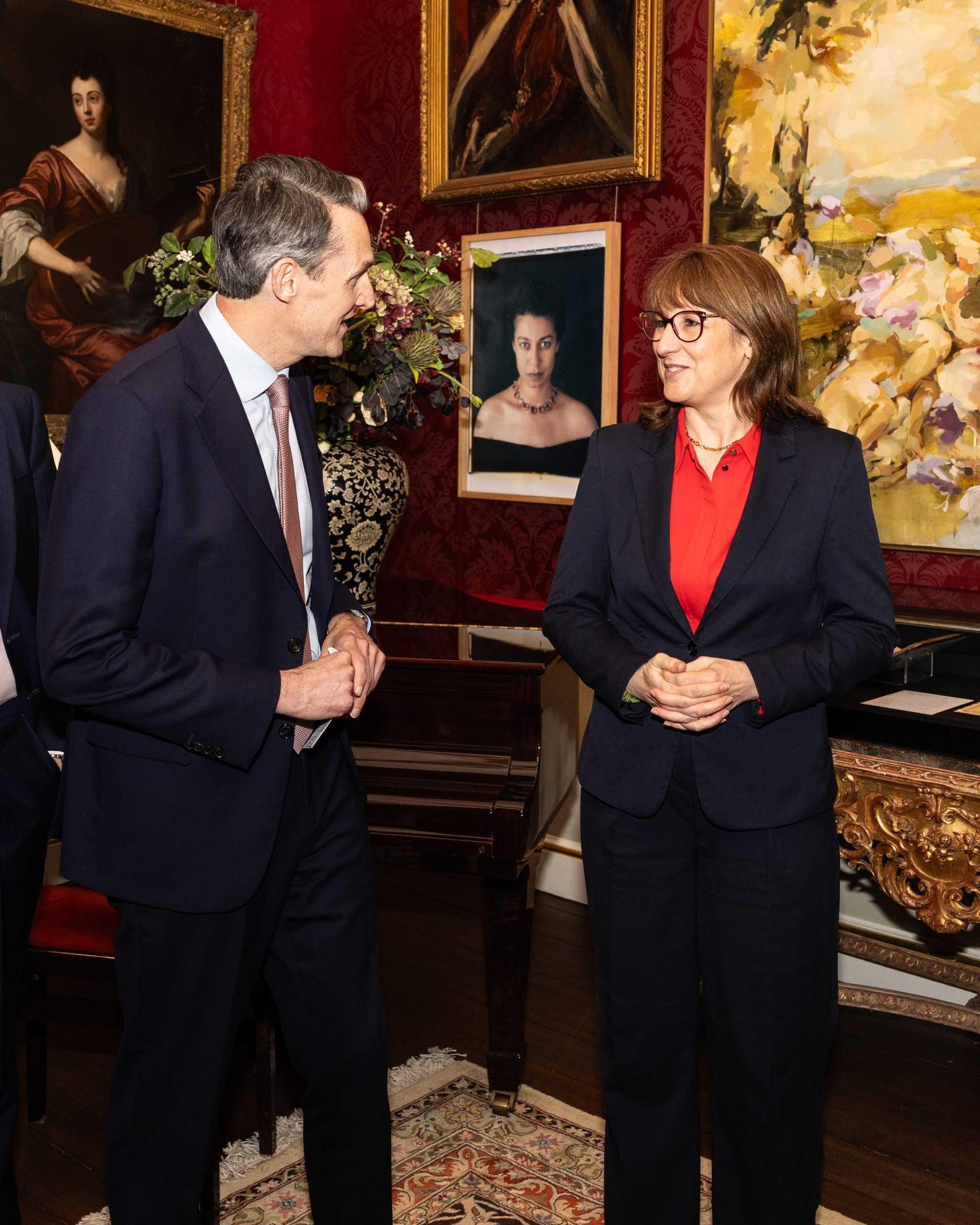
Fifty mid-market business leaders gathered at 11 Downing Street on Monday evening for a reception that marked a significant shift in how Britain’s banks approach regional economies. NatWest used the occasion to unveil 12 newly appointed Mid-Market Champions, each tasked with representing businesses that could add £35 billion to the UK economy with just 1 per cent growth.
The announcement came at the first anniversary of the Mid-Market Growth Council, a forum bringing together business leaders and government to champion companies with turnovers between £10 million and £100 million. These firms employ 1.2 million more people than large non-financial corporates, yet have historically lacked the visible regional leadership that giants enjoy in the City of London.
Rita Collins exemplifies the model NatWest is rolling out. As Mid-Market Champion for Yorkshire and the North East, Collins will draw on deep regional expertise to feed insights into the Growth Council, shape priorities for her areas, and strengthen the bank’s convening power across two regions where mid-market companies account for 23 per cent of employment in the North East and 22 per cent in Yorkshire.
The bank commissioned research to test whether regional leadership actually matters to these businesses. Nine in ten mid-market firms said a visible regional leader would support their company growth. Ninety-one per cent believed it would boost economic growth in their region. Eighty-nine per cent reckoned such representation would prove beneficial when influencing policy outcomes with devolved and local government.
Those numbers reveal something crucial about how Britain’s ‘critical middle’ sees itself. Three-quarters of surveyed firms insisted their regional economies serve as fundamental drivers of economic growth—a conviction that sits awkwardly with decades of London-centric banking.
“As the number one bank for mid-sized businesses, this initiative will further strengthen our regional footprint, enabling an even deeper understanding of mid-market customers and accelerating their growth,” Paul Thwaite, NatWest Group chief executive, explained.
He added a calculation that underscores why NatWest is making this move now. “The potential of mid-markets should not be underestimated; just 1% growth in this segment could add £35bn to the UK economy, with £24bn of that outside the South East of England.”
That £24 billion figure matters most. It represents economic activity flowing through regions that have watched wealth concentrate in London and the South East for generations. The West Midlands sees mid-market companies contributing 24 per cent of employment. Scotland registers 27 per cent. These aren’t peripheral businesses—they’re anchoring entire communities.
Chancellor Rachel Reeves, hosting the Downing Street reception, framed the appointments within government’s broader regional growth agenda. “Our economic plan is the right one and central to it are strong regions powered by medium-sized businesses,” she said. “It’s clear those businesses will welcome Mid-Market champions and their role to support regional growth across the country.”
The champions will operate across 12 nations and regions: Scotland, Wales, Northern Ireland, North West, North East, Yorkshire and the Humber, East Midlands, West Midlands, East of England, London, South East, and South West. Each brings sector knowledge and local networks that NatWest hopes will translate into tangible growth.
What they’ll actually do day-to-day involves developing insights into local customer needs, shaping regional priorities for the Mid-Market Growth Council, and using NatWest’s institutional weight to unlock growth opportunities. Whether that translates into meaningful economic impact or remains largely symbolic will become clear over the coming year.
The reception itself brought together key Council members alongside business leaders from across Britain, reflecting findings that highlight the importance companies place on having a stronger collective voice. For a segment that employs millions yet often lacks representation in national economic conversations, the symbolism carried weight.
NatWest’s fieldwork for the research reached 1,027 mid-market companies between February and March 2026, conducted by the Diffley Partnership through the Norstat panel. The bank defines mid-market businesses as companies with turnover of £10 million to £100 million and between 50 and 500 employees—firms large enough to shape local economies but small enough to remain deeply rooted in regional communities.
By creating visible regional leadership, NatWest is addressing a gap that businesses themselves identified. The question now is whether 12 champions can genuinely influence policy, unlock capital, and help mid-market firms capture that £35 billion opportunity—or whether the initiative becomes another example of promising intent without transformative follow-through.
The appointments form part of NatWest’s “Growing Together” plan, positioning the bank as a partner for businesses building outside London. With 20 million customers across retail, commercial and private banking, the bank maintains it’s already the number one lender for mid-sized businesses.
What’s different now is the visible commitment to regional presence. Kevin Havelock will champion Scotland, Jess Shipman takes Wales, Kenton Hilman covers Northern Ireland. Steve Sankson leads in the North West, Anne Marie Hunt in the East Midlands, Laura Suffolk in the West Midlands. Nicola Barker represents the East of England, Anthony Donohue takes London, Katie Wright covers the South East, and Faye Long champions the South West.
For Collins in Yorkshire and the North East, the mandate is clear: turn regional expertise into economic growth. Whether her fellow champions can do the same across Britain will determine if Monday’s Downing Street reception marked a genuine turning point or just another City institution paying lip service to the regions.