

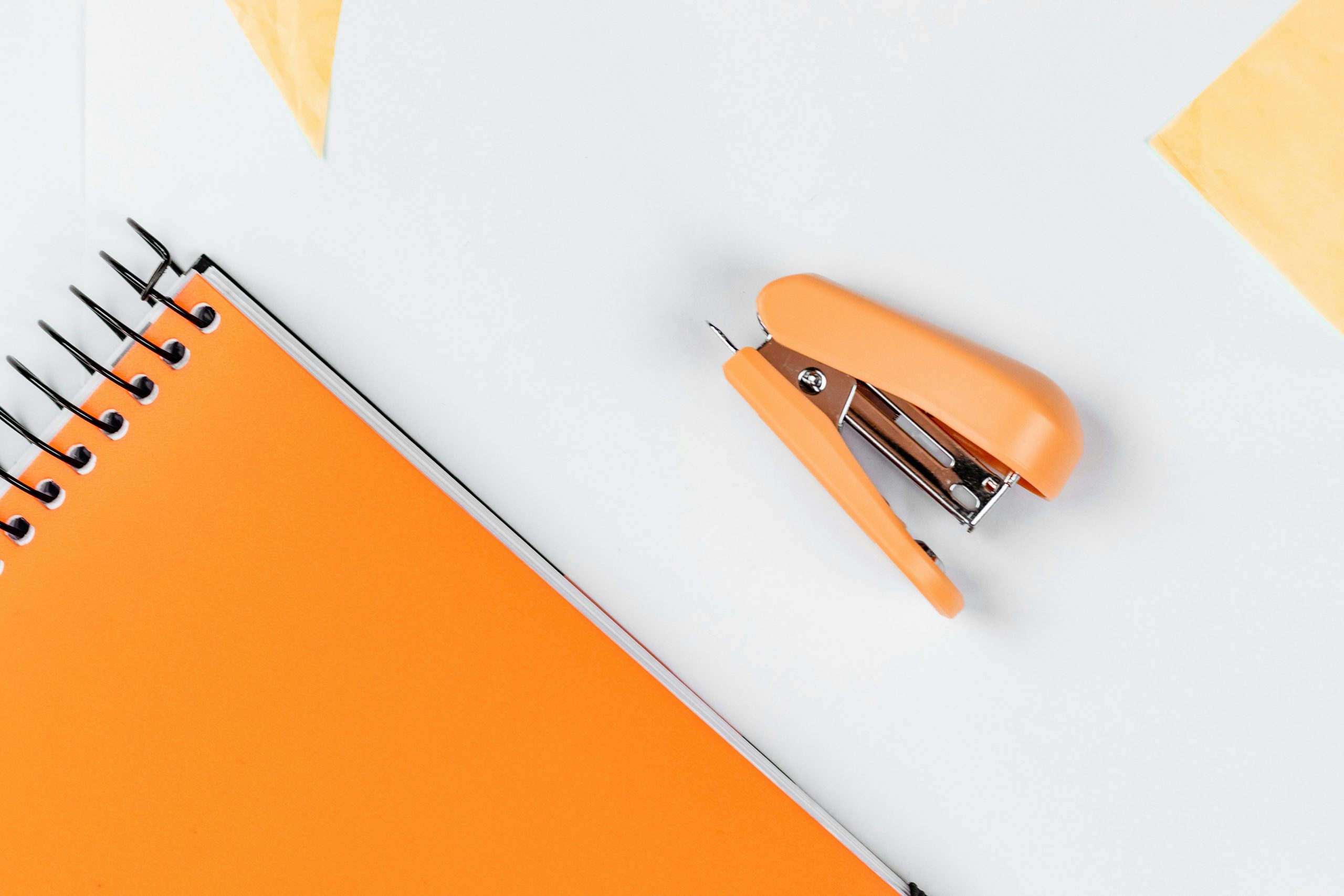
A stapler solves a simple problem, but choosing the right one stops being simple the moment volume, sheet count and daily use come into play. Once you compare manual staplers, heavy-duty staplers and electric models side by side, the differences are no longer cosmetic. They affect speed, effort and reliability.
The right stapler is not just about brand or price. It comes down to sheet capacity, staple sizes, stapling depth and how often it will actually be used. A poorly matched stapler slows the day down. The right one barely gets noticed, which is exactly the point.
If you are choosing for a team, a meeting room or a high-volume admin function, it helps to understand what each type is designed to do before you buy on habit.
Office Staplers vs Staple Guns: Know the Difference
Before comparing office models, it helps to separate office tools from industrial ones.
Search results often blur the line between manual staplers, heavy-duty staplers, electric staplers, staple guns, pneumatic staplers and crown staplers. Those terms do not belong in the same buying decision.
Staple guns and pneumatic staplers are typically built for upholstery, construction or sealing cardboard boxes. They rely on a trigger mechanism and apply far more force than standard office models. Crown staplers also sit firmly in the industrial category rather than everyday document handling.
Office staplers do a different job. They are designed for paper, light card and occasional bulletin board use. They prioritise control, safety mechanisms and consistent pressure, not raw force.
That difference matters more than it sounds. Buy for the wrong setting and you usually end up with too much power, less precision and a tool that does not fit the work.
The Main Types of Office Staplers
Manual Stapler
The manual stapler is still the default in most offices.
It works through a spring mechanism, or spring-load mechanism, inside the stapler arm. Hand pressure pushes the staple through the paper and into the anvil below.
What matters most here is not complexity. It is a dependable design. Look for a solid top-loading or rear-loading mechanism, sensible throat depth, staple size compatibility, a durable internal spring and some form of safety mechanism to reduce jamming.
Manual desktop staplers make the most sense for everyday paperwork, meeting packs, small team environments and lighter admin use. In practical terms, they are usually best when you are stapling under 15 to 20 sheets at a time.
They are simple, reliable and cheap to keep on a desk. That is why they have remained the office standard for so long.
Heavy-Duty Stapler
A heavy-duty stapler is built for thicker packs and repeated pressure.
Unlike a standard desktop model, it is designed to handle larger staple sizes and deeper stapling depths. Many include adjustable stapling depth and extended throat depth, which allows staples to be placed further from the page edge.
That makes them better suited to large document bundles, training manuals, reports above 20 to 30 sheets and archival preparation. If you are assembling board packs or printed handbooks, a standard manual stapler will usually start to feel underpowered very quickly.
This is where offices often make the wrong call. They keep forcing a light desktop stapler to do a heavier job, then blame the stapler when the real issue is mismatch. A proper heavy-duty model removes that friction.
Electric Staplers
Electric staplers remove most of the physical effort from the process.
Instead of relying entirely on manual compression, they use a powered internal mechanism to deliver consistent stapling pressure every time. That reduces hand fatigue and speeds things up in high-use environments.
They are especially useful on reception desks, in print rooms, across HR teams and anywhere documents are processed constantly rather than occasionally.
The practical checks are straightforward: trigger mechanism reliability, a built-in safety mechanism, clear staple size compatibility and a jam-release design that does not slow staff down when something goes wrong.
In a busy print room, the choice between heavy-duty and electric often comes down to one thing. If the stapler stays in one place and gets used all day, electric usually makes more sense.
Staple Sizes Explained
Staple sizes affect performance more than many buyers realise.
Most office staplers use standard 26/6 or 24/6 staples. The first number refers to the wire gauge. The second refers to the leg length in millimetres.
Longer legs allow thicker paper stacks to be fastened securely. Use the wrong size and holding strength drops, while the risk of misfires and jams rises.
Heavy-duty staplers often support larger staple sizes for higher sheet counts. That is a completely different use case from crown staplers in construction, which work with different dimensions and materials altogether.
Matching staple size to sheet capacity is one of the easiest ways to improve reliability without changing the stapler itself.
Throat Depth and Stapling Depth: Why They Matter
Throat depth is the distance from the stapler mouth to the back of the stapler arm.
That measurement matters because it determines how far into the page you can staple. For booklets, reports, multi-page submissions and structured document binding, that extra reach can make the difference between tidy and awkward.
Some models include adjustable stapling depth, which gives more flexibility when presentation matters. Others are fixed and better suited to routine paperwork.
For standard office use, most desktop staplers offer a moderate throat depth that is perfectly adequate. Where document formatting is more varied, extended-reach options become far more useful than they first appear.
Internal Mechanisms: What Actually Drives Performance
The outside of a stapler tells you very little about how it will hold up.
Long-term performance comes down to build quality inside the housing. That means the spring-load mechanism, the strength of the stapler arm, the base construction, the reliability of the loading mechanism, the anti-jam design and the quality of the safety mechanism.
A weak spring mechanism loses consistency over time. Once compression becomes uneven, jams become more frequent and output becomes less reliable.
Material choice matters too. Metal-bodied staplers generally cope better with daily strain, while lighter plastic models can be absolutely fine for occasional desk use but tend to wear faster in shared office settings.
You usually do not notice these differences on day one. You notice them after a few months.
Choosing the Right Stapler for Your Office
The easiest mistake is buying the cheapest option and assuming a stapler is a stapler.
A manual stapler is usually the right choice if you staple fewer than 20 sheets at a time, use it only occasionally and want straightforward, dependable performance.
A heavy-duty stapler is the better fit if you deal with thick document packs, need deeper stapling depths, care about durability and regularly staple 20 to 50+ sheets.
An electric stapler makes more sense when stapling is frequent, several team members share the same tool, speed matters and the stapler stays in one place.
Most offices do not need one perfect stapler. They need the right mix of tools for different tasks.
Exploring a professional stapler range makes it easier to compare sheet capacity, mechanism type and durability before committing.
Suppliers often categorise their stapler range by capacity and format, which makes it easier to match the tool to the workload rather than guess based on shelf price.
Quick Comparison at a Glance
| Stapler type | Best for | Typical use |
| Manual stapler | Everyday paperwork | Up to around 15 to 20 sheets |
| Heavy-duty stapler | Thick document packs | Around 20 to 50+ sheets |
| Electric stapler | High-frequency use | Repetitive shared-office stapling |
Common Questions About Office Staplers
Can a heavy-duty stapler replace a manual stapler?
Yes, but it can be bulkier and less convenient for quick everyday tasks.
Are staple guns suitable for office paperwork?
No. Staple guns and pneumatic staplers are intended for materials such as cardboard boxes, upholstery or construction surfaces, not routine document handling.
What staple size should I use?
For most office environments, 26/6 or 24/6 staples are standard. Higher sheet counts usually require longer leg lengths.
Why does my stapler keep jamming?
The usual causes are incorrect staple sizes, worn spring mechanism components, weaker build quality or trying to staple more sheets than the model is built to handle.
The Stapler That Fits Your Workflow
Like notebooks, staplers quietly shape how work moves through an office.
The right model should feel unremarkable. It should not jam under pressure, struggle with routine packs or interrupt the flow of basic admin.
Manual staplers offer simplicity.
Heavy-duty staplers offer strength.
Electric staplers offer consistency.
Choose the type that matches the job and the environment. If stapling is part of the daily routine, it is worth using equipment built for that workload rather than relying on whatever happens to be sitting in the drawer.