

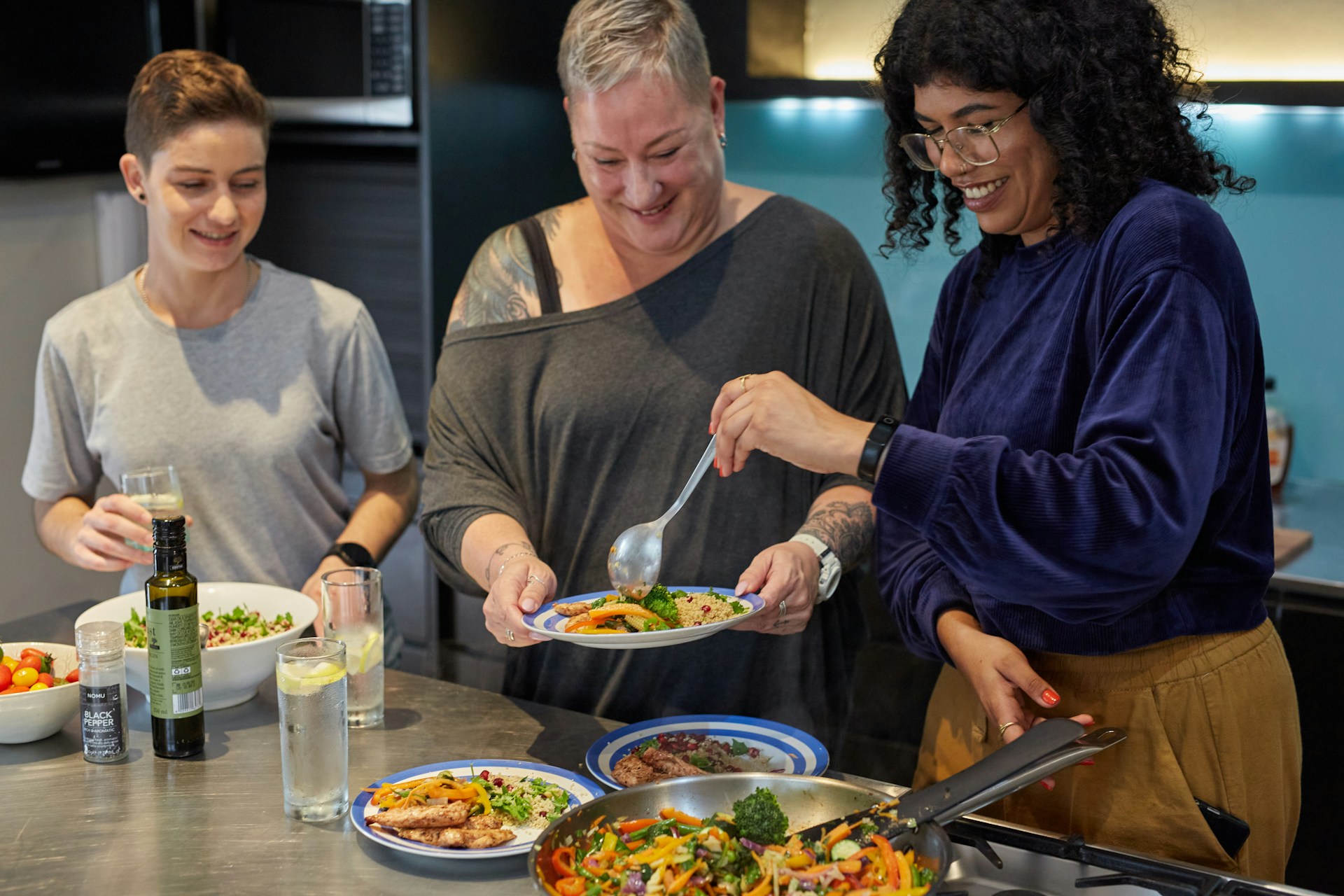
As we age, our bodies undergo a range of changes that affect metabolism, appetite, digestion, and nutritional needs. While many people assume older adults simply need to “eat less,” the reality is far more nuanced. Maintaining the right portion sizes becomes increasingly important to ensure the body receives enough essential nutrients without overwhelming appetite or digestive capacity.
For families, carers, and older adults themselves, understanding appropriate portion sizes can help support strength, energy, and overall wellbeing. Companies like The Pure Food Co focus on nutrition solutions designed with these needs in mind, helping ensure meals remain balanced, nourishing, and easy to enjoy.
This guide explores why portion sizes matter in later life, how nutritional needs change, and practical ways to build balanced meals that support healthy ageing.
Why Portion Sizes Matter More With Age
Ageing affects the body in several ways that influence how much food is needed and how it is processed.
Lower Energy Needs
Older adults typically require fewer calories because metabolism slows and physical activity may decrease. However, the body still requires many of the same vitamins, minerals, and protein as before. This means meals must become more nutrient-dense, even if portion sizes are smaller.
Changes in Appetite
Many older adults experience reduced appetite due to factors such as:
- Changes in taste and smell
- Certain medications
- Dental issues
- Digestive changes
- Reduced physical activity
When appetite declines, large portions can feel overwhelming. Smaller, balanced servings can make meals easier to finish while still delivering important nutrients.
Muscle Maintenance
One of the biggest health concerns associated with ageing is sarcopenia, the gradual loss of muscle mass and strength. Adequate protein intake—spread across meals—is essential to support muscle maintenance. Appropriate portion sizes ensure older adults receive sufficient protein without excessive calories.
Key Nutrients Older Adults Need
Before discussing portion sizes specifically, it is important to understand which nutrients become particularly important in later life.
- Protein: Protein helps maintain muscle strength, support immune function, and assist recovery from illness. Good sources include lean meats, fish, eggs, dairy products, legumes and beans, and tofu. For many older adults, including a moderate protein portion at every meal is recommended.
- Fibre: Fibre supports digestive health and helps prevent constipation, which is common among older adults.High-fibre foods include whole grains, fruits, vegetables, and legumes.
- Calcium and Vitamin D: These nutrients help maintain bone health and reduce the risk of fractures.Sources include dairy products, fortified plant milks, leafy greens and oily fish.
- Healthy Fats: Healthy fats help support brain function and heart health. Good sources include olive oil, avocado, nuts and seeds, and fatty fish like salmon.
What Does a Healthy Portion Look Like?
Understanding portion sizes doesn’t require complicated measurements. Many nutritionists use simple visual guides that make meal planning easier.
Protein Portion
A typical serving of protein for an older adult is roughly the size of the palm of the hand. Examples include:
- One palm-sized piece of chicken or fish
- Two eggs
- Half a cup of cooked beans
Vegetables
Vegetables should make up a large part of the plate, ideally around half of the meal. A portion might look like:
- One cup of cooked vegetables
- Two cups of leafy greens
Vegetables provide fibre, vitamins, minerals, and antioxidants essential for healthy ageing.
Carbohydrates
Carbohydrates provide energy but should be balanced with other nutrients. A typical portion may include:
- Half a cup of cooked rice or pasta
- One small potato
- One slice of wholegrain bread
Whole grains are generally preferred because they contain more fibre and nutrients.
Healthy Fats
Healthy fats are calorie-dense, so portions are typically smaller. Examples include:
- One tablespoon of olive oil
- A small handful of nuts
- A quarter of an avocado
The Balanced Plate Approach
A simple way to visualise appropriate portions is the balanced plate method. A typical meal might include:
- Half the plate: vegetables or salad
- One quarter: lean protein
- One quarter: wholegrain carbohydrates
This approach naturally encourages balanced nutrition without requiring strict calorie counting.
Why Smaller, More Frequent Meals Can Help
Some older adults struggle to consume enough nutrients during three traditional meals each day. In these cases, smaller, more frequent meals may be beneficial. Instead of three large meals, consider breakfast, mid-morning snack, lunch, afternoon snack, and dinner.
Snacks might include yoghurt and fruit, cheese and wholegrain crackers, a smoothie, and nuts or nut butter on toast. This pattern helps maintain energy levels while supporting nutrient intake.
Hydration and Portion Awareness
Hydration is another critical component of healthy ageing. Many older adults experience a reduced sense of thirst, increasing the risk of dehydration. Encouraging regular fluid intake alongside meals can help maintain hydration – good options include water, herbal teas, milk, and soups or broths. It’s also helpful to note that some foods, such as fruits and vegetables, contribute to hydration as well.
Adjusting Portions for Individual Needs
There is no single portion size that works for everyone. Nutritional needs vary depending on:
- Body size
- Activity level
- Medical conditions
- Medications
- Recovery from illness or surgery
For example, an older adult who remains physically active may require larger portions than someone who is more sedentary. Similarly, individuals recovering from illness may require additional protein and calories to support healing.
Tips for Making Meals Easier for Older Adults
Portion sizes are important, but how meals are presented and prepared also plays a role in whether they are eaten and enjoyed. Helpful strategies include:
- Serve Smaller Plates: Smaller plates can make meals appear more manageable and less intimidating.
- Focus on Nutrient Density: Choose foods that deliver more nutrition in smaller amounts, such as eggs, Greek yoghurt, avocado and salmon.
- Enhance Flavour: Changes in taste perception can make food seem bland. Enhancing flavour with herbs, spices, and citrus can improve appetite.
- Prioritise Texture: For individuals with chewing or swallowing difficulties, softer textures may be necessary. Well-prepared meals with appropriate textures can help maintain adequate nutrition.
The Role of Thoughtful Nutrition in Healthy Ageing
Understanding portion sizes is not about restriction—it is about ensuring every meal supports health, energy, and quality of life. As the body’s nutritional needs shift with age, thoughtful meal planning becomes increasingly important. Balanced portions that include protein, vegetables, whole grains, and healthy fats help maintain strength, support cognitive function, and improve overall wellbeing.
For carers and families, learning how to build properly portioned meals can make a meaningful difference in supporting older adults to stay healthy, active, and independent for as long as possible.