

Terri Else claimed that a fleeting flash of white light was the first indication that something was amiss. After that, the screen turned black and remained that way. Her 2018 purchase of a TCL Roku TV has just ceased to function as a television.
Eventually, a replacement set that was brought in to fix the issue had the same effect. The modest domestic detail at the center of her proposed class action lawsuit—a living room television falling blank in the middle of a typical evening—is what most customers will recognize, regardless of anything else it turns out to be true.
| Roku & TCL Class Action — At a Glance | Details |
|---|---|
| Lead Plaintiff | Terri Else |
| Defendants | Roku, Inc. and TCL North America |
| Court | Federal court, California |
| Affected Models | Roku Select Series, Roku Plus Series, TCL 3, 4, 5 and 6-Series Roku TVs |
| Alleged Defect | Faulty Roku OS updates causing freezes, black screens, boot loops |
| Plaintiff’s First Purchase | TCL Roku TV bought in 2018 |
| Reported Symptom | White light flash, then permanent black screen |
| Proposed Class Window | Consumers who purchased affected sets after December 16, 2024 |
| Legal Theory | Defective product, breach of warranty, denied repair coverage |
| Roku’s Position | Denies wrongdoing; calls claims “meritless” |
| TCL’s Position | No immediate comment |
| Related Filing | Earlier 2026 class action against Amazon Fire TV for similar allegations |
Roku and TCL North America are accused in the case, which was filed in a federal court in California, of releasing faulty software updates that reportedly caused thousands of smart TVs to become frozen, stay on startup logos, loop indefinitely, or play sounds without a picture. TCL’s 3, 4, 5, and 6-Series Roku TVs as well as the Roku Select and Plus Series are among the types that are being targeted. Customers who purchased impacted sets after December 16, 2024—a deadline that has already drawn criticism from attorneys following the case—would be covered by the proposed nationwide class.
The technical jargon is not what makes this filing intriguing. It is the discrepancy between real experience and marketing terminology. Roku has long promoted the notion that its software updates cause televisions to “get better over time,” a claim that may seem comforting on a product page but looks very different when a $400 set is perpetually black.
The complaint claims that the firms continued to push updates despite years of complaints appearing on Reddit, social media, and Roku’s own community forums. Scrolling through the forum conversations gives the impression that clients had been assembling their own unofficial evidence file long before any attorney showed up.
In an interview with The Post, former judge and dean of St. Thomas University College of Law Tarlika Nunez Navarro outlined the initial stakes. At this point, the question is whether the plaintiffs have credibly identified a common flaw associated with these updates rather than whether every particular television failed. The lawsuit can withstand a move to dismiss if that connection is maintained.
It dies silently if it doesn’t. Another lawyer watching the case, Daniel Karon, pointed out that the complaint still heavily relies on terms like “upon information and belief” and references to “several users,” which is the kind of wording that needs to gain a lot of strength throughout discovery before class certification becomes feasible.
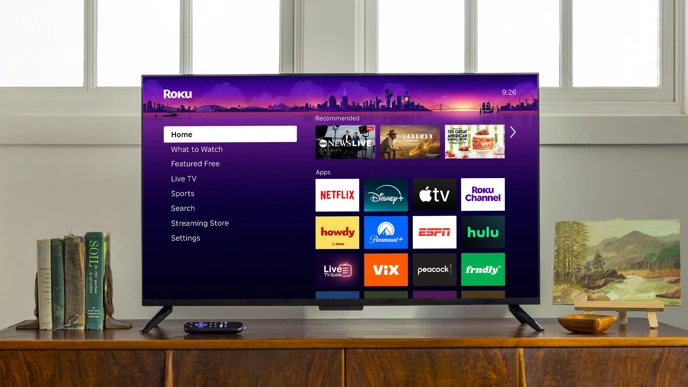
The litigation feels less like an isolated issue and more like a part of a pattern because of the larger background. The question of whether software updates subtly deteriorate older technology and push users toward replacements they didn’t believe they needed yet is putting tech companies under increased scrutiny.
A different proposed class action lawsuit was filed against Amazon earlier this year due to claims that it discouraged older Fire TV devices with comparable update behavior. Years ago, Apple resolved a well-known battery-throttling case. Even when the products are different, the arguments make sense.
Roku has termed the allegations baseless and denied any misconduct. When the lawsuit was first announced, TCL has not responded. The underlying tension won’t go away, regardless of the result. Smart TVs fall in between computers and appliances, and while producers approach them like the latter, consumers typically want them to operate like the former.
It’s difficult to ignore the silent heap of dark displays that lie in garages and landfills all over the nation, the ghost of a software model that promised advancement but, for a sizable portion of customers, provided something very different. The question of whether the courts concur that a pattern exists is still unanswered.