

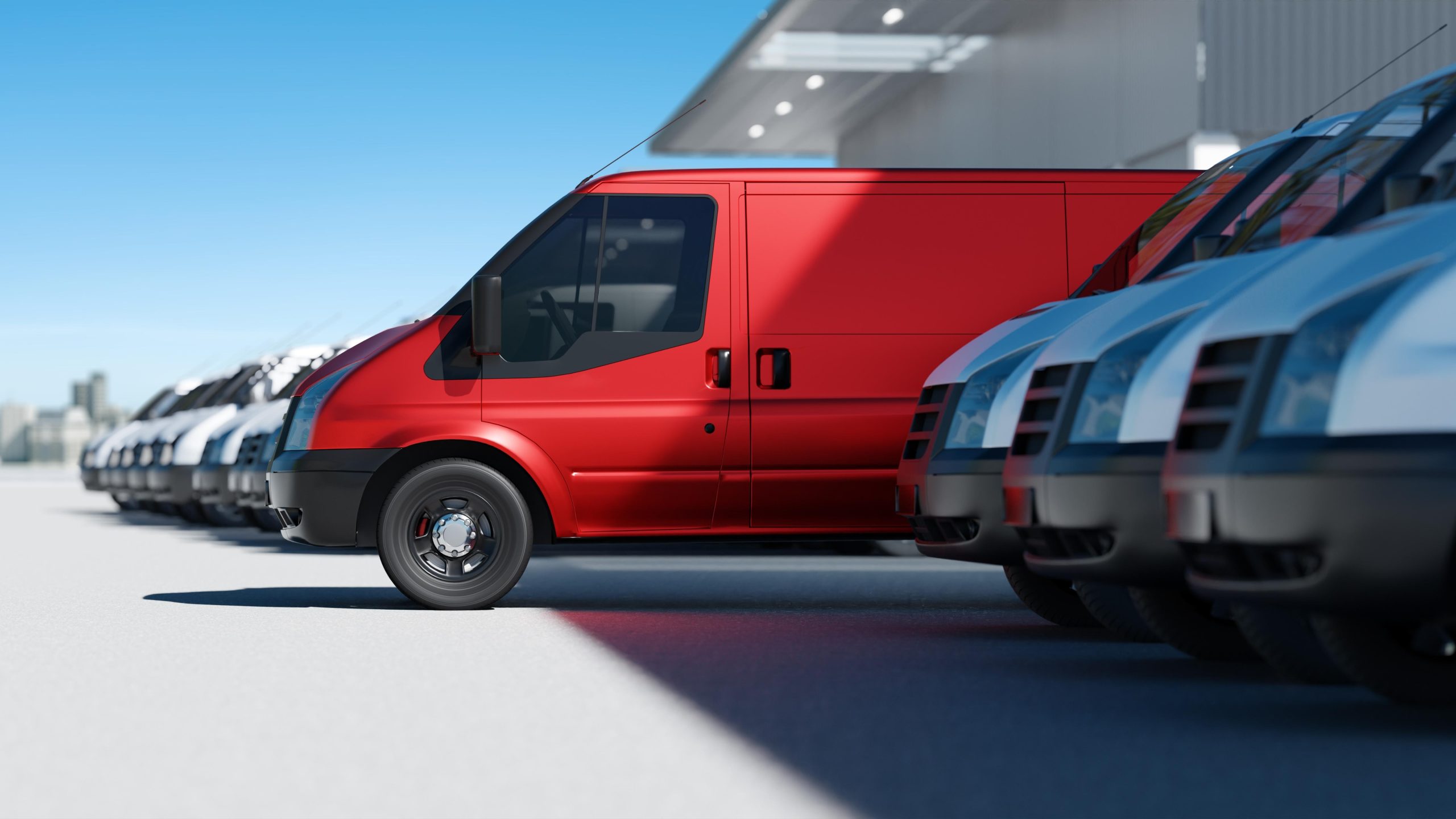
Modern fleet businesses today find themselves managing dozens, hundreds, or even a thousand vehicles.
As fuel costs rise or fall, as maintenance issues arise, and as customer demands change, they all impact the bottom line. It doesn’t matter whether you’re running delivery vans, long-haul trucks, or service and installation vehicles. The fact is that production is rising, and so is business complexity.
On this path, we see more and more Australian fleet businesses seeking a single solution instead of lots of different software, dashboards, and reports. Fuel management, vehicle tracking, communications, leasing, and rental services are all finding their way into the same platform. The guidance that https://www.radius.com/en-au/ provides is a great starting point for joining the dots between your systems to see how a unified fleet solution can actually help.
More Reasons to Think Digitally & Beyond
If you think operational waste or inefficiencies exist in isolation, well, you probably need the full picture. Costs that may have seemed one-off or small begin to multiply across the fleet. Poor maintenance planning leads to out-of-service incidents. Excessive idling or course deviations increase fuel costs per vehicle, but on a bigger scale, wastage skyrockets. And this doesn’t finish there. You are under pressure to address risk management, compliance, and sustainability. Of course, you need to keep your drivers as productive as possible whilst they are on the road.
Blow. Shocker!
Having accurate, real-time data enables faster decision-making. How your vehicles are used, or misuse data, can positively or negatively influence your action plan. The National Heavy Vehicle Regulator (NHVR) says in its latest report that safety and compliance are the top priorities for many of Australia’s trucking companies. A stronger compliance campaign is vital due to more regulations and increased customer scrutiny.
The Role of Telematics Grows in Transport
The list of benefits for transport companies could go on. As a matter of fact, it’s probably easier to talk about who’s not using telematics and why their business is going to struggle. Here’s a basic definition: telematics technology has evolved to improve how cars, trucks, and other vehicles are monitored and managed.
For instance, fleet managers can work smarter to plan routes, reduce fuel waste, and keep ahead of maintenance issues. Drivers have a safer work environment and can adopt digital logbooks to lighten the load of paperwork. Transport companies have more control of delivery times, vehicle uptime, and the overall customer experience.
Guidance from the Australian Government is focused on boosting transport and logistics productivity via technology and encouraging more Australian transport and logistics operators to adopt technology and improve productivity, sustainability, and long-term business resilience.
Your Fleet & Business Management Needs to Think Outside the (Software) Box
But technology alone cannot have a big impact because, more often than not, all of the separate systems and silos offer a piecemeal experience. The ones that achieve digital transformation look to unify fuel management, communications, vehicle financing, and operational reporting together to create a living, breathing fuel strategy.
As the revolution in transportation unfolds, notably in AI fields, companies that start with some smarts today are more likely to thrive tomorrow. It’s getting harder for fleets, drivers, and logistics providers to get by with limited visibility into the moving parts of the business or by relying on old ways of doing things.