

Living in Santiago, Chile for five months during college turned Jenna DeLaurentis away from the big-city ambitions she had grown up with, and pointed her instead towards a mid-sized Nevada city she had never seriously considered before.
DeLaurentis, who writes about travel and relocation, originally moved to Santiago to learn Spanish and explore South America. She had planned, like many Midwest college students, to end up in a place like New York or Chicago after graduating. Neither city appealed to her by the time she came home.
What living in Santiago Chile revealed about city size
Santiago is the capital of Chile and home to more than 7 million people, roughly 40% of the entire country’s population. The scale brings real advantages: an extensive public transport network, no shortage of entertainment, and the full range of amenities a large metropolis offers.
The drawbacks were harder to ignore. The sheer spread of the city meant hours on transit to get from one side to the other. Santiago also sits in a natural bowl surrounded by mountains, which traps air pollution and regularly degrades air quality.
DeLaurentis found herself more drawn to the smaller Chilean cities she visited along the way: Viña del Mar on the coast and the far-southern outpost of Punta Arenas, among others. She had been to more than 40 countries, but Chile left a particular impression, partly because of how much of it she covered during her stay.
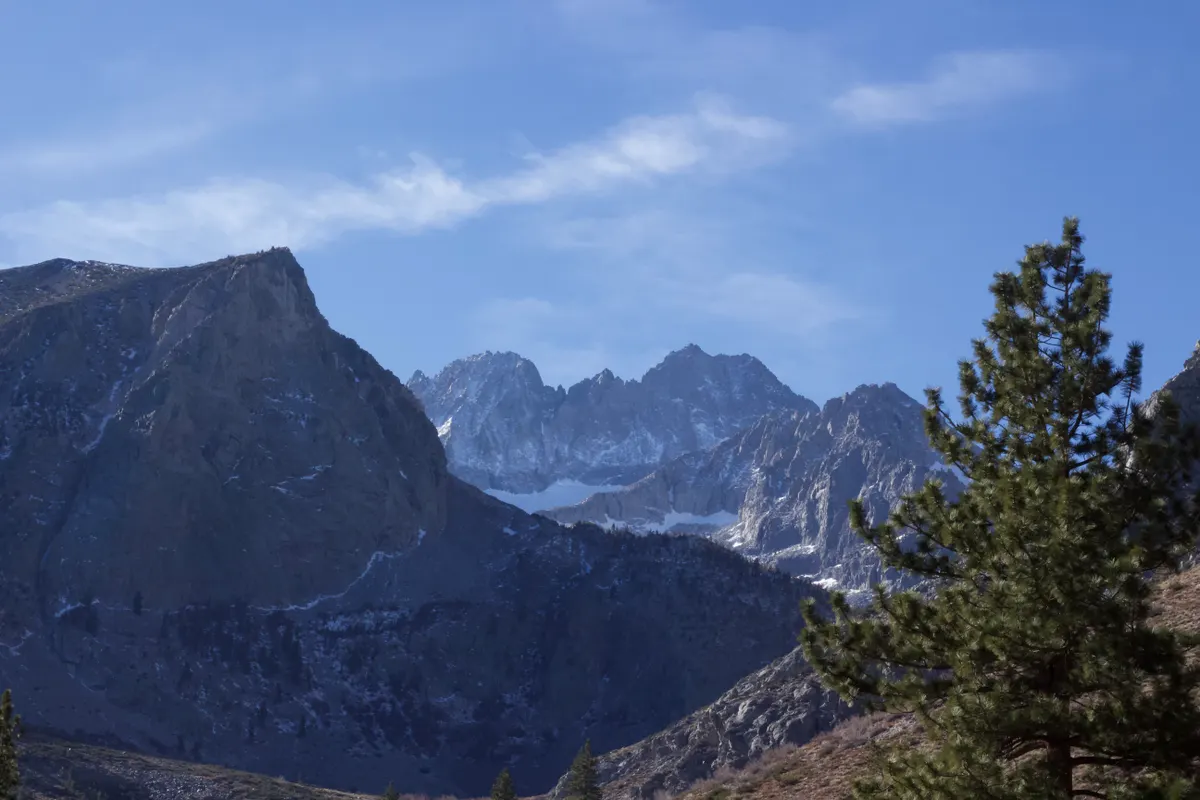
In the Atacama Desert in the north, the landscape was described as near-Martian. Further south, regions such as Araucanía and Patagonia offered rainforests, snowcapped volcanoes and glaciers. And from Santiago itself, the Andes rise sharply to the east, placing serious mountain terrain within easy reach of the city centre.
That proximity to the mountains recalibrated what she wanted from any future city. After five months of living within sight of the Andes, the idea of settling in a flat inland city like Chicago lost its appeal entirely.
Why Reno fitted the profile Santiago helped define
A year after returning from Chile, DeLaurentis moved to Reno, Nevada, where she has lived ever since. The Reno Gazette Journal, citing US Census Bureau estimates, put the city’s population at 274,915 as of 1 July 2023, an increase of more than 10,000 since the official Census count. The wider Reno metropolitan area was estimated at 563,020 in 2024. That scale sits squarely in the small-to-midsize bracket DeLaurentis had been looking for after finding Santiago too large.
The Sierra Nevada Mountains and Lake Tahoe are a short drive from the city, delivering exactly the outdoor access she wanted: hiking, backpacking, and cycling within easy reach of home.
Climate was the other decisive factor. Coigüe Expeditions classifies Santiago’s climate as temperate semi-arid with Mediterranean patterns: summer (November to March in the Southern Hemisphere) brings warm, dry days that can reach 32°C (90°F) at their hottest, while winter daily highs sit around 13°C (55°F). DeLaurentis, who grew up in a cloudy Midwestern city, described the consistent sunshine as revelatory. She concluded she could not live somewhere defined by grey, rainy weather.
Reno delivers on that requirement. The city averages more than 250 days of sunshine a year while still running through all four seasons. The summers are warm and dry; the winters bring snow to the mountains nearby without the prolonged overcast skies of the upper Midwest.
The reaction from friends and family when she announced the move was sceptical. Reno carries a reputation defined largely by its casinos and its proximity to Las Vegas in the popular imagination, and it was a sharp departure from the global-city ambitions she had described throughout college. Living in Santiago, Chile, she has said, was the turning point: it replaced an abstract idea of what a city should be with a concrete set of preferences she could actually test against real places.
Reno is not a global hub of dining, entertainment or business. For DeLaurentis, that is beside the point. The City of Reno gave her mountains, sunshine and a human scale that a year of South American living had taught her to value above prestige.
Whether Reno’s population continues to grow at the pace recent Census estimates suggest will determine how long it retains the small-city feel that drew her there in the first place. Chile gave her the framework; the question now is whether Reno holds its character as more people arrive with similar calculations in mind.